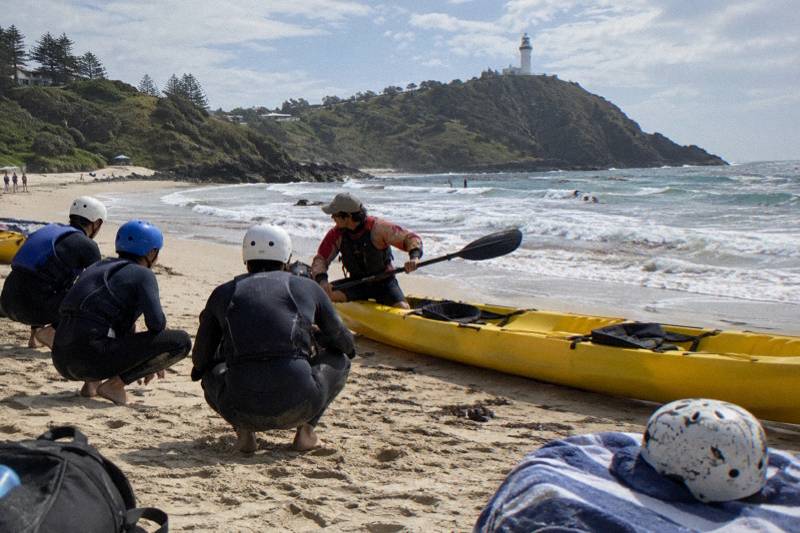
Which Rules Apply To Kayaks In Cape Byron Marine Park?
The NSW marine park and approach rules that bind kayaks in Cape Byron Marine Park: zones, fishing bans, approach distances and what they mean on a dolphin kayak tour.
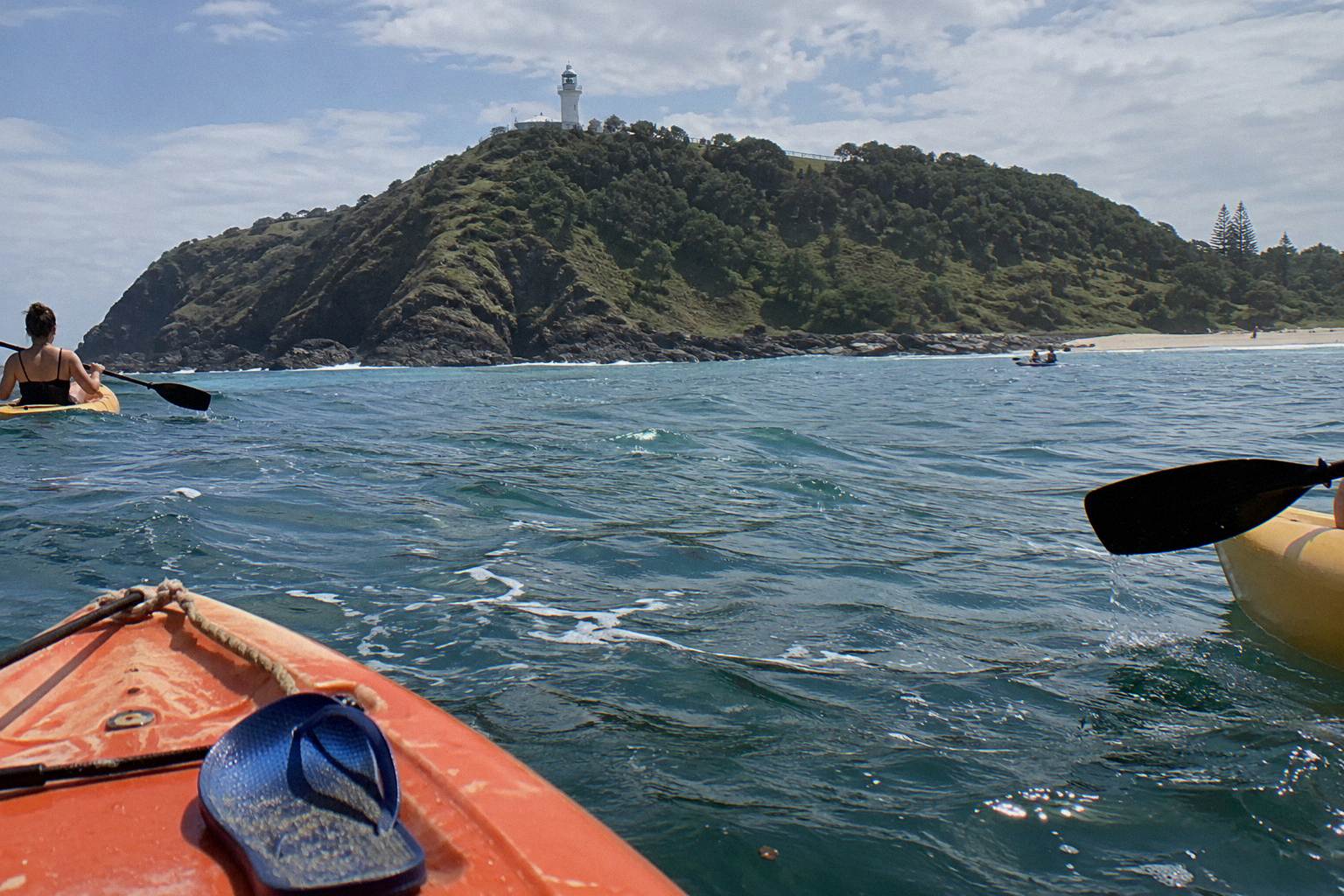
Two sets of rules govern every kayak that paddles out of Byron Bay, and they come from different authorities. The first set is the NSW approach-distance law: NSW Environment and Heritage counts a kayak as a vessel, which means no closer than 50 m to a dolphin and 100 m to a whale, with caution zones of 150 m and 300 m respectively. The second set is the marine park's zoning plan: sanctuary zones covering 6,118 ha, 27.5% of the park, are no-take, which bans fishing and collecting outright, while other zones permit activities that do not harm animals, plants or habitat.
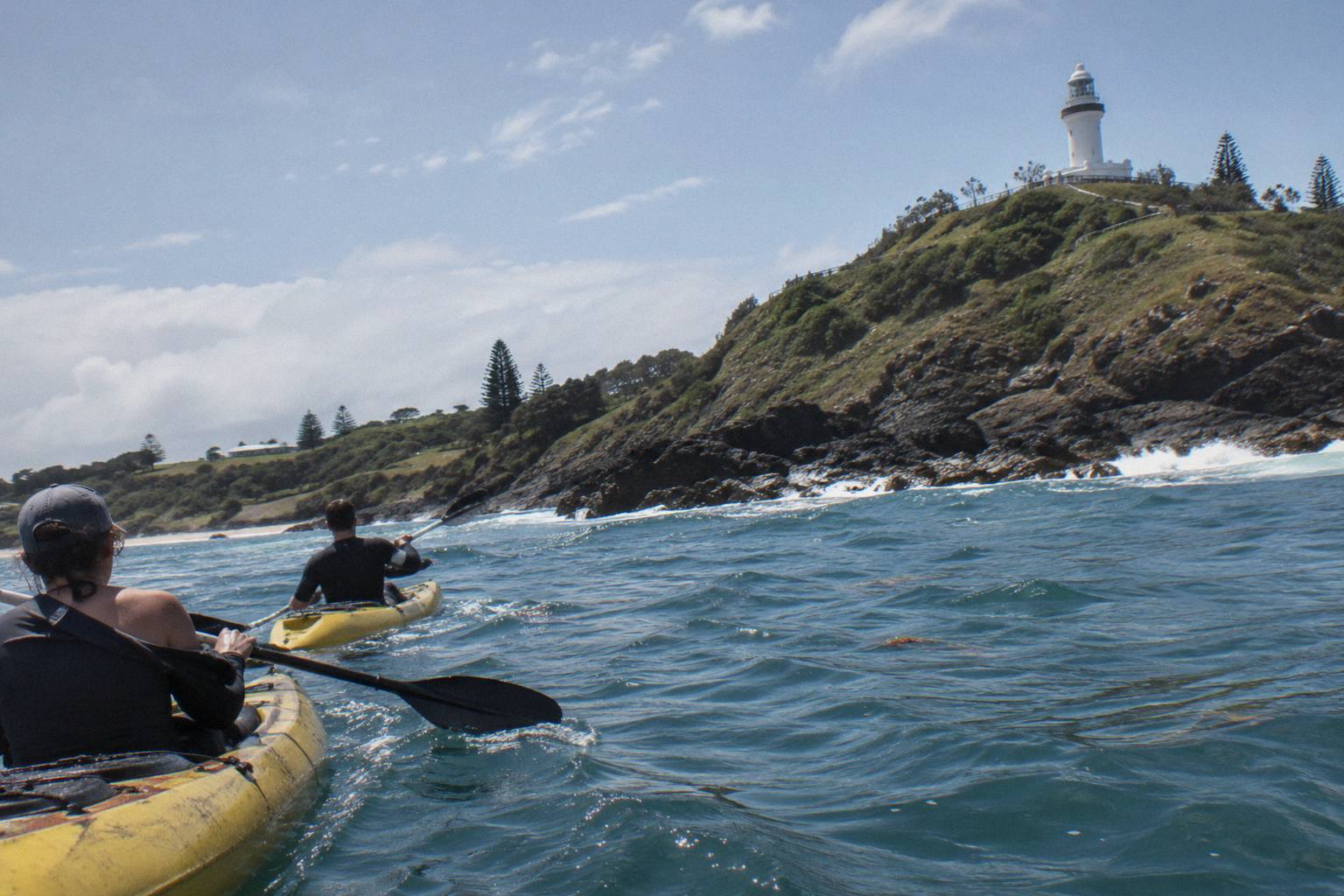
For a visitor joining a guided dolphin paddle, the practical answer is simpler than the law books suggest. The commercial tours are guided only, there is no kayak hire on this coastline, and both Byron Bay ocean operators hold the licences the marine park requires of commercial operators, with NSW National Parks listing both as licensed commercial tour operators. The rules that matter to a paddler on a guided tour are the ones the guide manages on the water: staying outside the approach distances, keeping speed constant and wake negligible near animals, and never chasing or blocking a pod.
That said, plenty of readers arrive at this question with a fishing rod or a snorkel in mind, and the zoning plan genuinely decides those cases. The park is not one uniform block of water. Where you float determines what you may do, and the boundaries do not follow the beach names a visitor knows. The sections below unpack the zones, the fishing and swimming questions, the approach distances in plain numbers, and how the tour operators work inside the same rulebook.
Can You Fish From A Kayak In The Marine Park?
Fishing from a kayak in Cape Byron Marine Park depends on which zone you are in. Sanctuary zones are no-take: the June 2018 DPIRD user guide puts them at 6,118 ha, 27.5% of the park, banning all fishing and collecting. Habitat protection zones cover 4,271 ha, 19.2%, including East Cape Byron, under different rules. Which zone applies depends on location, so the official zoning map is the deciding document.
The no-take principle is the backbone of a sanctuary zone. In plain terms, no-take means nothing leaves the water: no line fishing, no spearfishing, no collecting of shells or bait, no trapping. DPIRD's zoning material states that in sanctuary zones all fishing and collecting are banned, and that activities which do not harm animals, plants or habitat, such as snorkelling, swimming and boating, are permitted. Fish feeding is prohibited in the marine park wherever you are, a rule worth remembering for anyone tempted to attract fish toward a kayak for photos.
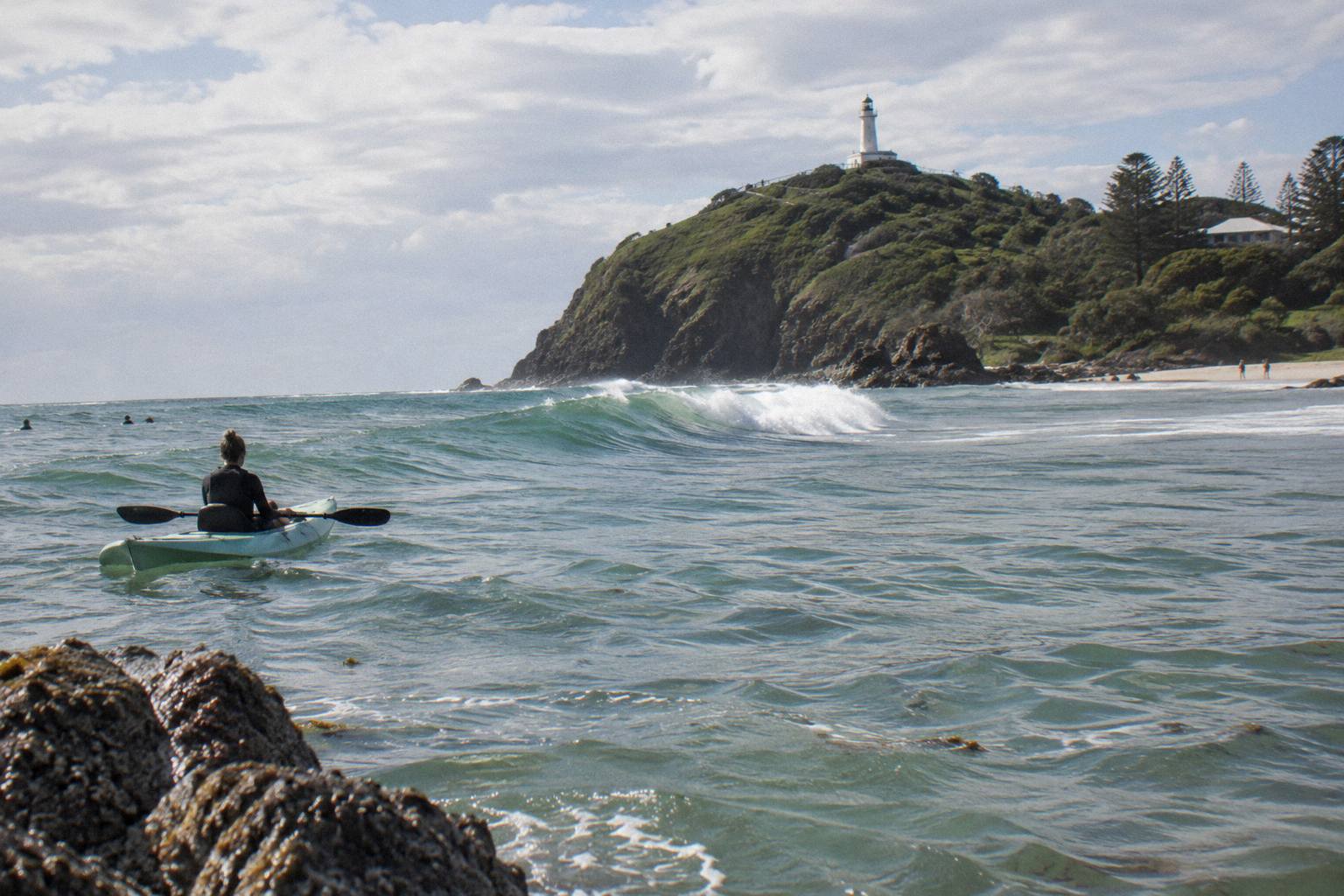
Habitat protection zones are the next tier. The user guide places East Cape Byron in a habitat protection zone, the very stretch of water the dolphin kayak tours paddle along between Clarkes Beach, Wategos Beach and the cape itself. These zones permit a range of activities, though with restrictions aimed at protecting habitat, and the guide directs readers to the zone rules and the zoning map for the specifics. The position for a visiting paddler is that the zone boundaries are drawn on the official zoning plan map, and a kayaker without that map in hand is guessing.
A few practical points follow from the facts on record. Neither ocean tour operator offers fishing from its kayaks, the tours are guided group paddles with sit-on-top double kayaks, and Go Sea itself says the coastline is not suitable for rental kayaks, so there is no hire-and-fish pathway here. A reader who wants to fish from a kayak near Byron Bay needs the zoning map, a NSW fishing licence where it applies, and their own craft, none of which the six tours on offer provide. For the marine park's own zone maps and regulations, the authoritative pages are the DPIRD zones, regulations and permits page and the Cape Byron Marine Park zoning plan user guide.
| Zone type | Share of the park | Area | What the June 2018 guide says |
|---|---|---|---|
| Sanctuary zone | 27.5% | 6,118 ha | No-take: fishing and collecting banned; non-harmful activities permitted |
| Habitat protection zone | 19.2% | 4,271 ha | Includes East Cape Byron; activities that do not harm animals, plants or habitat permitted |
| Remainder of the park | Not stated in the guide extracts | Not stated | Habitat protection or special purpose zones; check the zoning map |
One more rule from the user guide sits oddly beside the kayak tours and is worth knowing: commercial vessels will not be granted permits to undertake whale watching in the marine park east of Cape Byron or within 1 km of the Cape Byron Lighthouse. That clause concerns commercial whale-watching vessels, not kayaks, and the kayak tours operate under different commercial tour licences. It explains, though, why the framework around this coast is unusually strict, and why the whale watching boat tour on offer departs from Ballina, south of the marine park's key whale-watching exclusion area.
Can You Swim Or Snorkel Off A Kayak In The Marine Park?
Swimming and snorkelling are permitted in the marine park, including in sanctuary zones, because they do not harm animals, plants or habitat. The limits arrive near mammals: NSW Environment and Heritage says a swimmer may enter the water no closer than 100 m to a whale and 50 m to a dolphin or dugong, then keep at least 30 m away, calf included. No tour includes swimming with dolphins.
The distinction between swimming and swimming-with is where most confusion lives. Entering the water off a kayak inside the marine park is not banned; what the law controls is proximity to protected animals. If a dolphin is 200 m away, a swim is a swim. If a pod is beside the kayak, the 50 m entry limit and the 30 m in-water distance close that door completely. The NSW approach-distance page sets one further marker: a mostly white whale, dolphin or dugong requires 500 m of distance, and drones must stay 100 m from marine mammals.
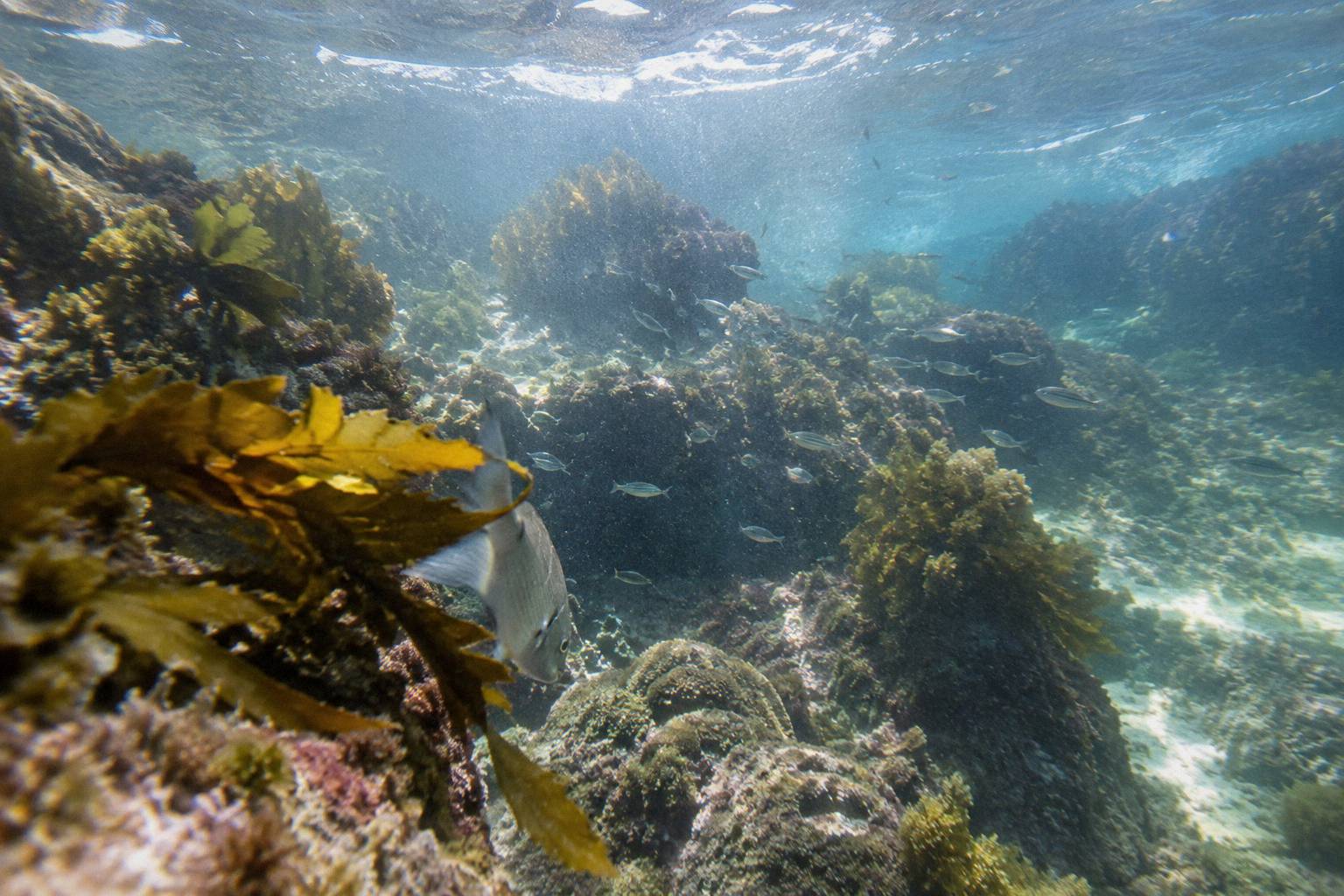
For the guided tours, the operators' own answers settle the question of what a booking actually involves. Cape Byron Kayaks states on its FAQ page that NSW has strict rules about approaching wild animals and that the tour observes dolphins from the kayaks. Both ocean tours include in-water moments in the surf zone rather than wildlife swims: the format is wave-surfing instruction and paddling, with Cape Byron Kayaks describing its tour as leaving from Clarkes Beach and following the coastline out to the Cape. A reader hoping to slip over the side next to a pod should treat that as off the menu, by law and by tour design alike.
Non-swimmers face a separate, operator-specific rule rather than a park rule. Go Sea accepts non-swimmers, with life jackets on all and a request to tell the guide; Cape Byron Kayaks does not take non-swimmers and requires participants aged 16 and over, its FAQ says, to be capable of swimming 25 m unassisted, while its booking page says 18 and over. Neither rule comes from the marine park; each is the operator's own safety policy for an open-ocean paddle. The fuller side-by-side sits in the Byron Bay Dolphin Kayak comparison of the two ocean tours, and the swim-rule detail is worth confirming on the booking page before paying, because the two policies genuinely differ.
| Activity in the marine park | What the rules say | Who says it |
|---|---|---|
| Swimming and snorkelling | Permitted where they do not harm animals, plants or habitat, including sanctuary zones | DPIRD user guide, June 2018 |
| Entering water near a dolphin | No closer than 50 m; keep 30 m once in the water | NSW Environment and Heritage |
| Entering water near a whale | No closer than 100 m; keep 30 m once in the water | NSW Environment and Heritage |
| Swimming with dolphins on a tour | Not offered; dolphins observed from the kayaks | Cape Byron Kayaks FAQ |
| Line fishing | Banned in sanctuary zones; zone-dependent elsewhere | DPIRD user guide, June 2018 |
The park itself is the reason the water is worth getting into at all. The marine park is shaped by the East Australian Current, the warm flow that also brings the humpbacks past the cape each year, and NPWS names playful dolphins, sea turtles and migrating humpback whales among the local wildlife. A reader weighing whether to paddle at all can dig into the broader picture in the guide to Byron Bay marine wildlife from a kayak, which stays on the same set of verified facts.
How Close Can A Kayak Get To Dolphins And Whales?
A kayak counts as a vessel under NSW law, so the limits are 50 m to a dolphin or dugong and 100 m to a whale, inside caution zones of 150 m and 300 m respectively. Within a caution zone the conduct rules bind hard: side approach at 30 degrees, constant slow speed, negligible wake, three vessels maximum, and no entry at all when a calf is present.
Those numbers come straight from the NSW Environment and Heritage page on approach distances for whales, dolphins and dugongs, which explicitly defines a vessel to include non-motorised boats, surfboards, surf skis and kayaks. That definition matters more than any other line in the rulebook for paddlers: there is no small-craft exemption, no recreational pass, and no guided-tour waiver. A plastic sit-on-top double off Clarkes Beach carries exactly the same obligations as a motorboat.
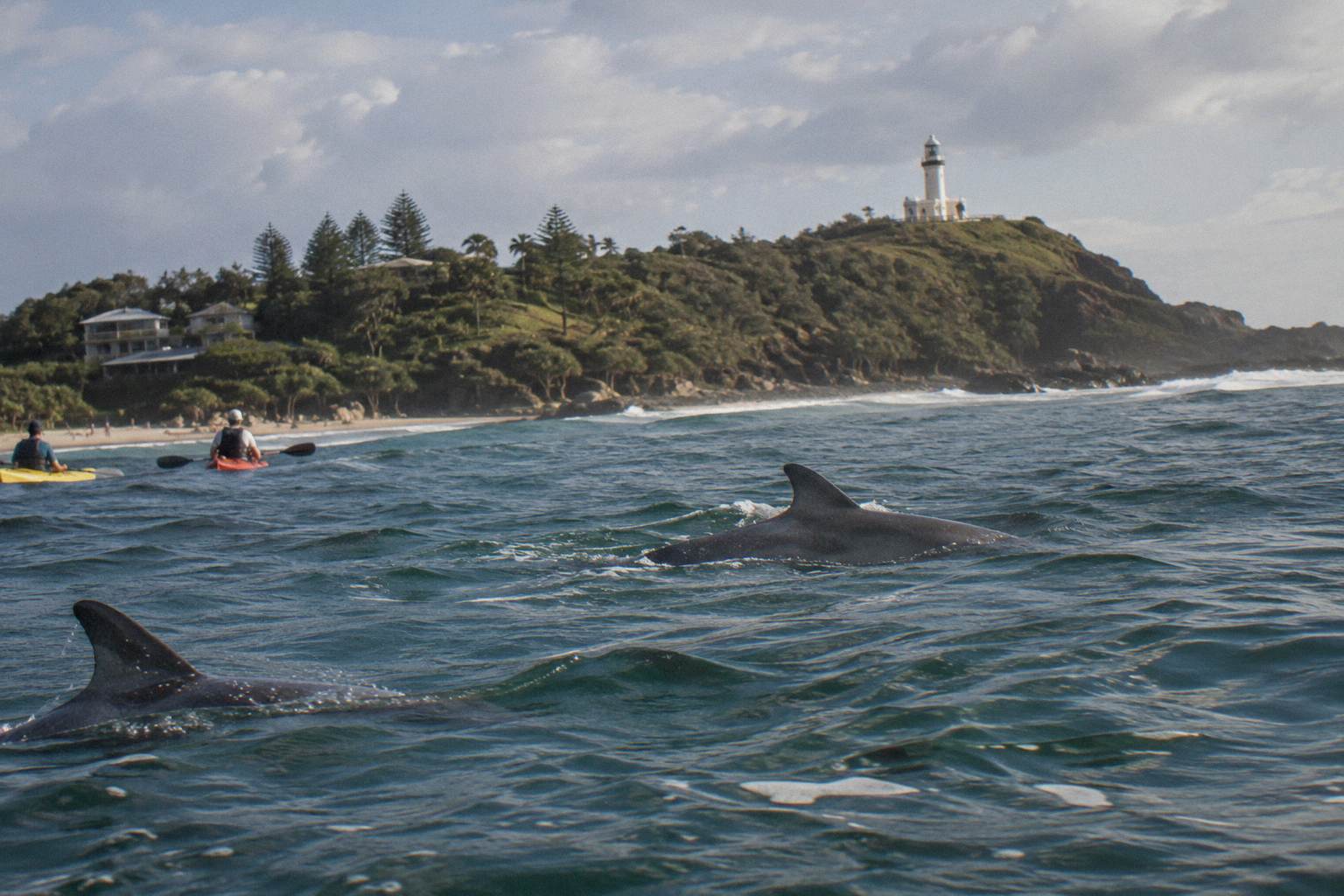
The conduct rules inside a caution zone read like a checklist written for exactly the situation a dolphin tour creates. Approach from the side, at least 30 degrees off the animal's direction of travel. Do not cut in front and wait, and do not chase from behind. Keep speed constant and slow, with negligible wake. Post a lookout if two or more people are on board, which every double kayak satisfies automatically. If dolphins choose to bow-ride, the rule is to keep course and speed rather than swerve or stop. If a whale approaches the kayak, slow to minimal wash speed and avoid sudden movements. And with a calf present, the caution zone is closed for closer viewing entirely, a rule that bites hardest in whale season when mothers and calves hug the coastline.
| Situation on the water | Required distance or behaviour | Source |
|---|---|---|
| Kayak near a dolphin or dugong | No closer than 50 m; caution zone 150 m | NSW Environment and Heritage |
| Kayak near a whale | No closer than 100 m; caution zone 300 m | NSW Environment and Heritage |
| Inside a caution zone | Side approach at 30 degrees or more, constant slow speed, negligible wake | NSW Environment and Heritage |
| Vessels in a caution zone | Maximum 3 at once | NSW Environment and Heritage |
| Calf present | Do not enter the caution zone | NSW Environment and Heritage |
| Bow-riding dolphins | Keep course and speed | NSW Environment and Heritage |
| Mostly white mammal | Stay 500 m away | NSW Environment and Heritage |
A guided tour puts a professional between the paddler and these rules, which is the quiet argument for booking one rather than paddling solo. The guides are described by both operators as surf lifesavers, and the tour format keeps the group together as a single cluster on the water rather than a scatter of individual craft. The full approach-distance picture, including the swimmer and drone rules, is laid out in how close kayaks can get to whales and dolphins, which carries the same official figures.
That said, the law does not distinguish between a licensed guide's kayak and anyone else's. The reason to read these numbers even as a tour passenger is that they explain the shape of the experience: why the group holds a line rather than charging at a pod, why the kayaks drift while dolphins pass, and why an operator that says dolphins appear on about 90% of its tours, as Cape Byron Kayaks does about its own record, still answers No when asked whether it always sees them. The rules and the wildlife both set the agenda, and the guide works inside both.
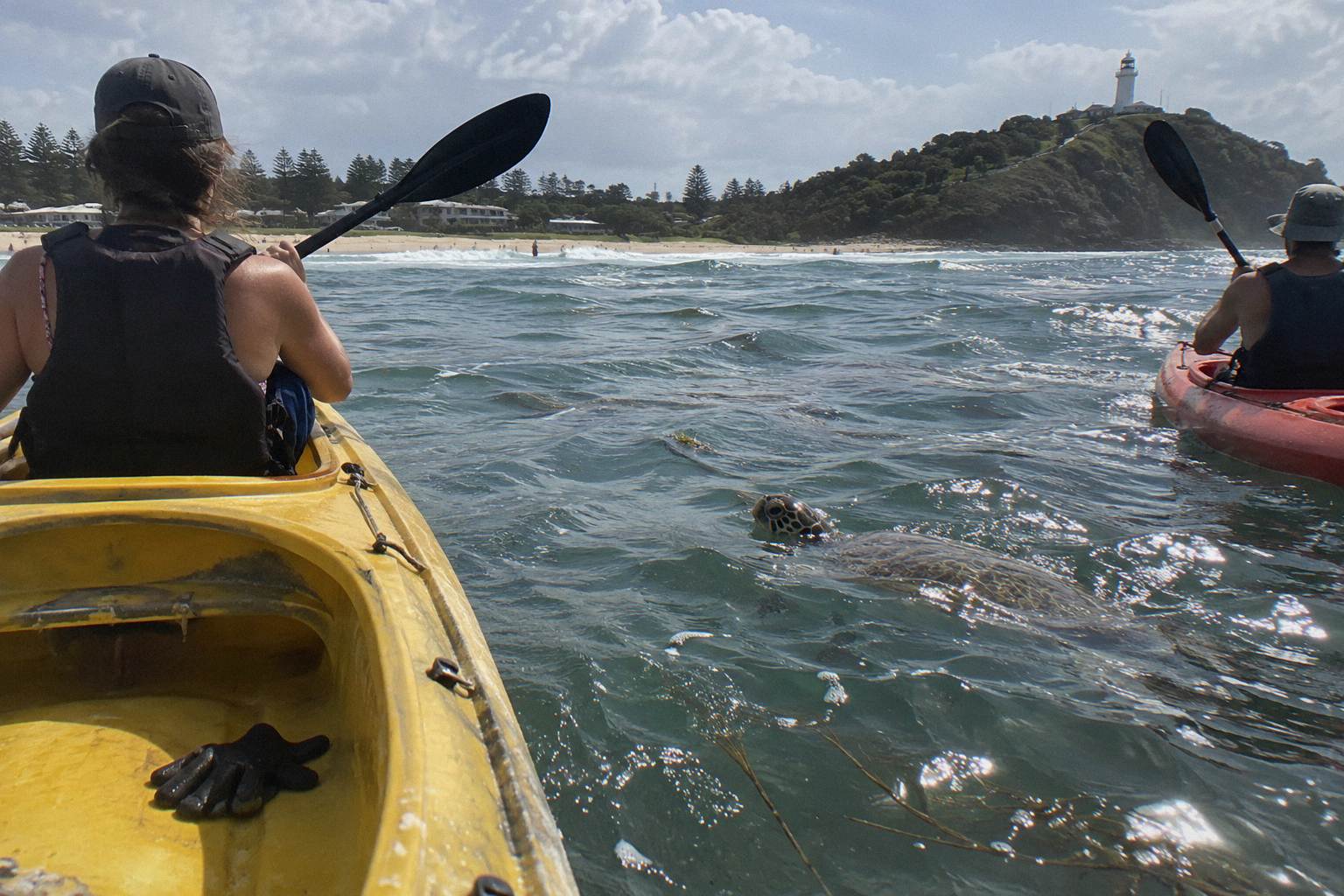
What Do The Zones Mean For An Everyday Paddler?
For a paddler, the zones mean one hard line and a lot of map-checking: inside a sanctuary zone nothing may be taken from the water, while elsewhere the zoning plan decides. The guided tours sidestep the question because they take nothing and collect nothing; paddling and observing are permitted across zones. A private paddler who wants to fish, spear or collect needs the official zoning map.
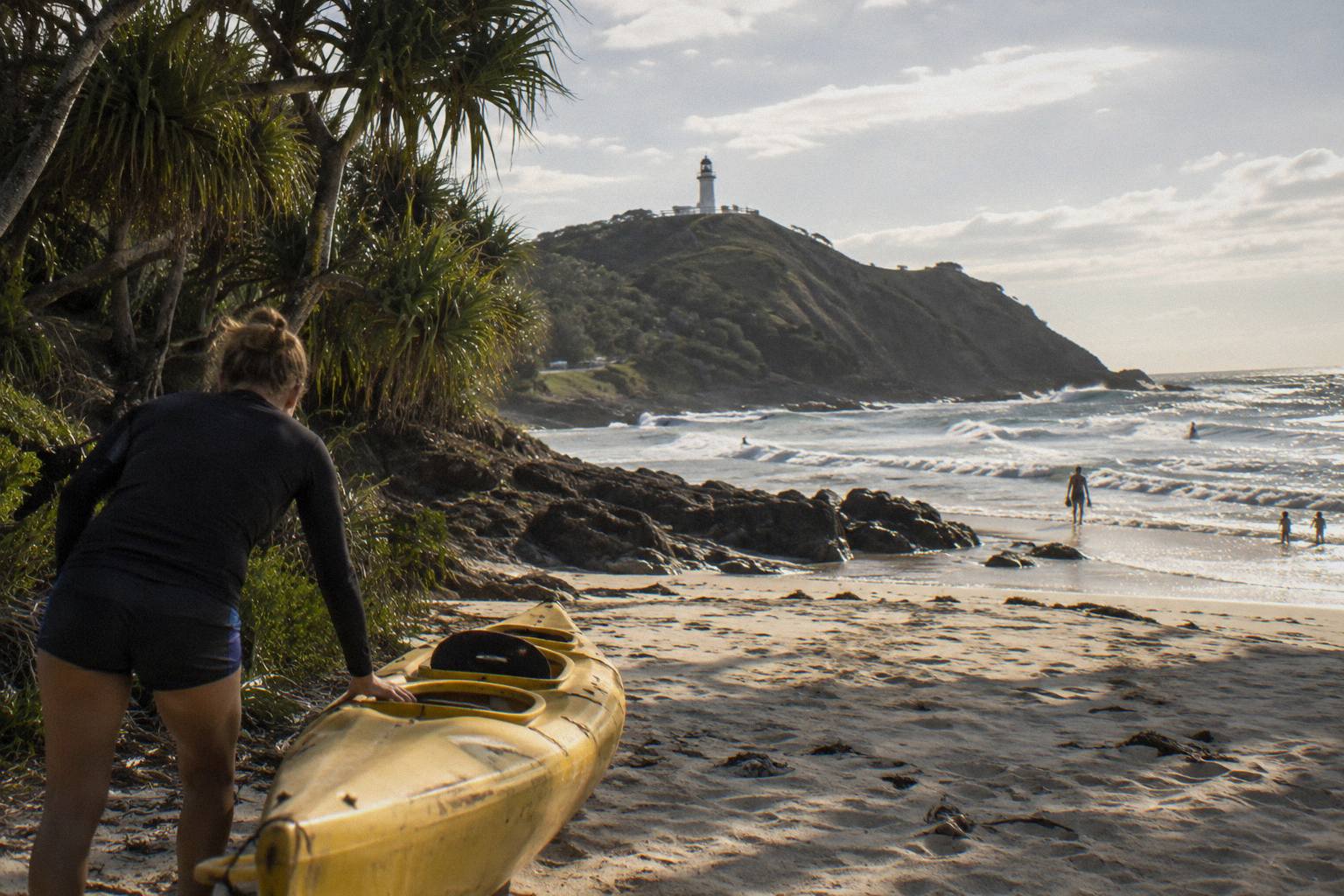
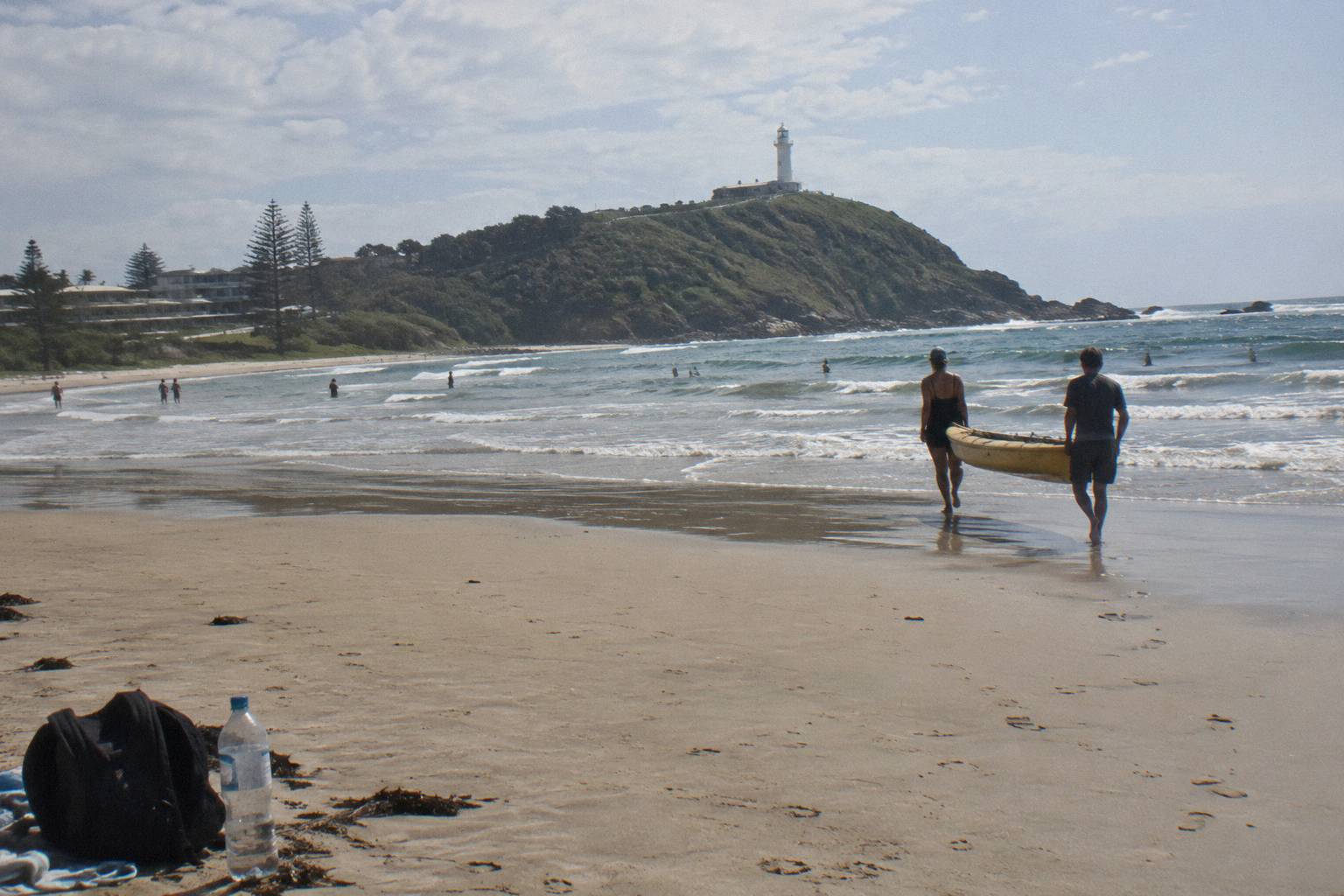
It helps to picture the park's geography the way the tours experience it. The Cape Byron Kayaks tour leaves from Clarkes Beach, inside Walgun Cape Byron State Conservation Area per the NSW National Parks listing, and follows the coast toward the cape, with the operator's own description of catching up with the dolphin pod around Wategos Beach. That stretch sits in the habitat protection zone that includes East Cape Byron under the June 2018 plan. Go Sea's ocean tour describes itself on the operator's own site as a guided sea kayak tour of the Byron Bay Marine Park, from its check-in at the Lawson Street sheds opposite 58 Lawson Street.
Neither tour operator's licence story is exotic. NSW National Parks lists both as licensed commercial tour operators, and Cape Byron Kayaks names the Cape Byron Conservation Area Trust, Byron Shire Council and NSW Maritime among its permissions. The user guide adds that commercial operators need a Marine Parks permit for commercial activities. No page documents any extra Byron Shire rule governing commercial launches at Clarkes or Main Beach beyond those licences, so the licence stack above is what the record holds. The NSW National Parks tour page carries the licence wording and the Clarkes Beach launch detail for anyone verifying an operator before booking.
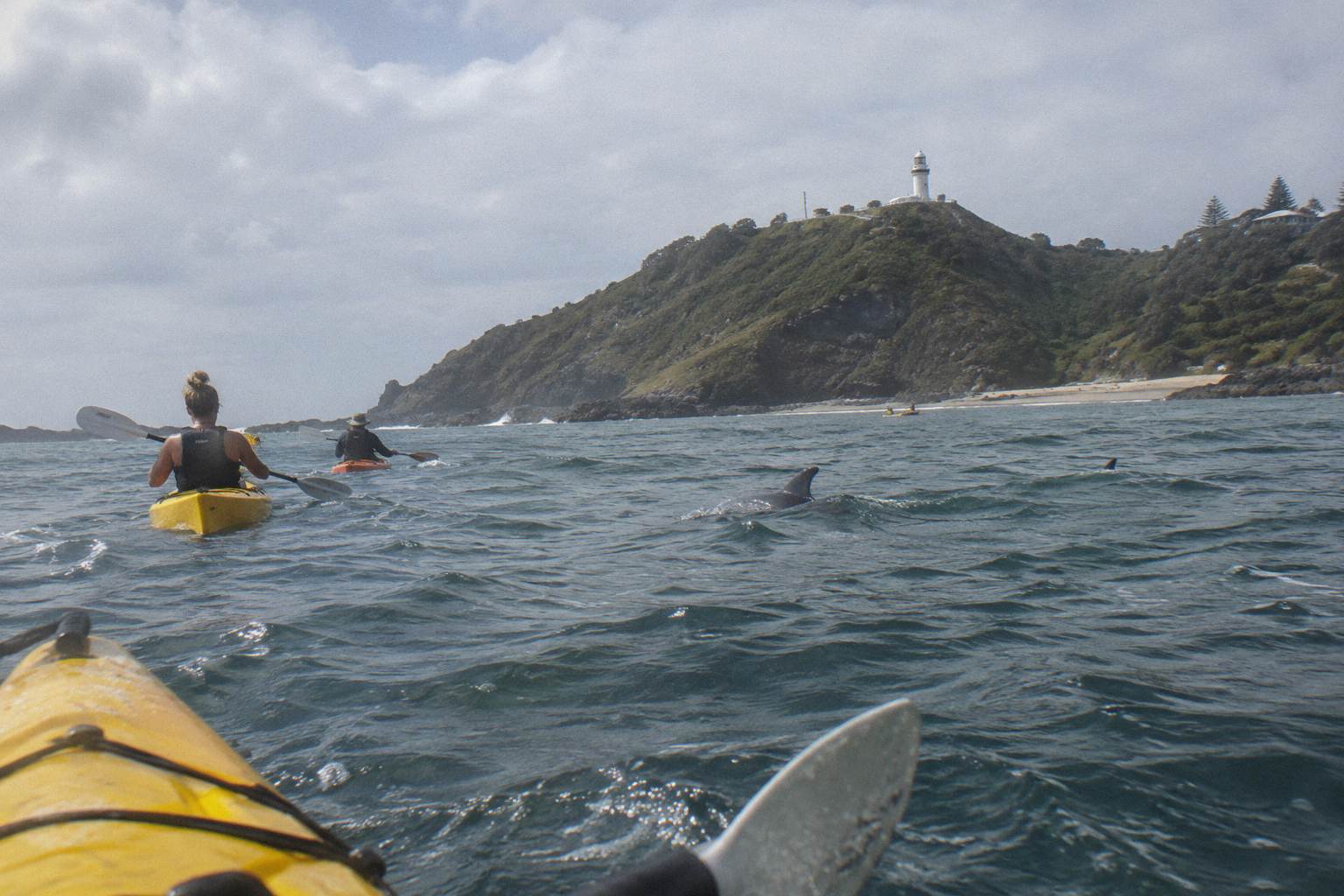
For a private paddler, the practical checklist is short. Carry the zoning map or have it saved offline, because the zone boundaries are the law and memory is not. Treat sanctuary zones as absolute no-take regardless of tackle, bait or intent. Keep the approach distances in mind at all times, since they apply park-wide and beyond, not only inside zone boundaries. And leave fish feeding, touching wildlife and any thought of swimming toward a dolphin off the plan entirely; the first is prohibited in the marine park and the rest collide with the approach rules. The deeper background on the park's zones and what they protect is covered in the Cape Byron Marine Park kayak guide.
Do The Tour Operators Follow These Rules?
Both ocean operators are licensed commercial tour operators under the marine park framework, both run guided-only group tours in double sit-on-top kayaks, and both describe dolphin observation from the kayaks rather than any pursuit or in-water encounter. Cape Byron Kayaks tells customers the state has strict rules about approaching wild animals. Wildlife guarantees on both tours are free return paddles, never refunds, because the animals decide.
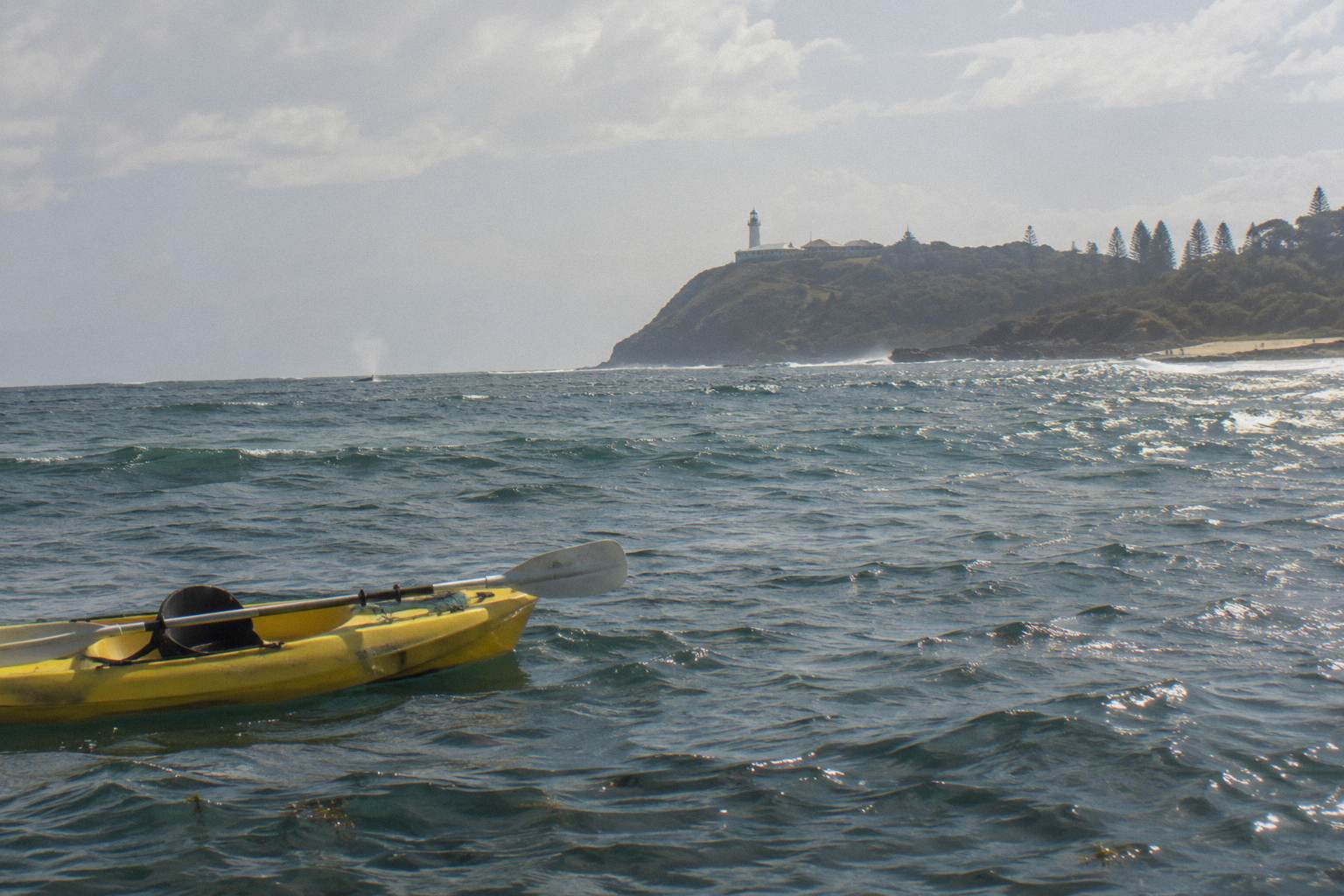
The operators' guarantees are the clearest window into how the rules and the wildlife interact. Cape Byron Kayaks says dolphins are seen on about 90% of its tours, cites a resident pod of around 300 dolphins, and offers a free return tour, non-expiring and non-transferable, if no dolphins or in-season whales appear; its FAQ simultaneously answers No to the question of whether every tour sees dolphins. Go Sea's version is the Go Sea Guarantee: paddle again for free if no dolphin, turtle or whale is seen, with the operator's FAQ adding that dolphins are spotted on most tours. Neither promise contradicts the approach rules, because neither involves getting closer than 50 m or entering the water; the tours watch from legal range and let the pod's own movements fill the frame.
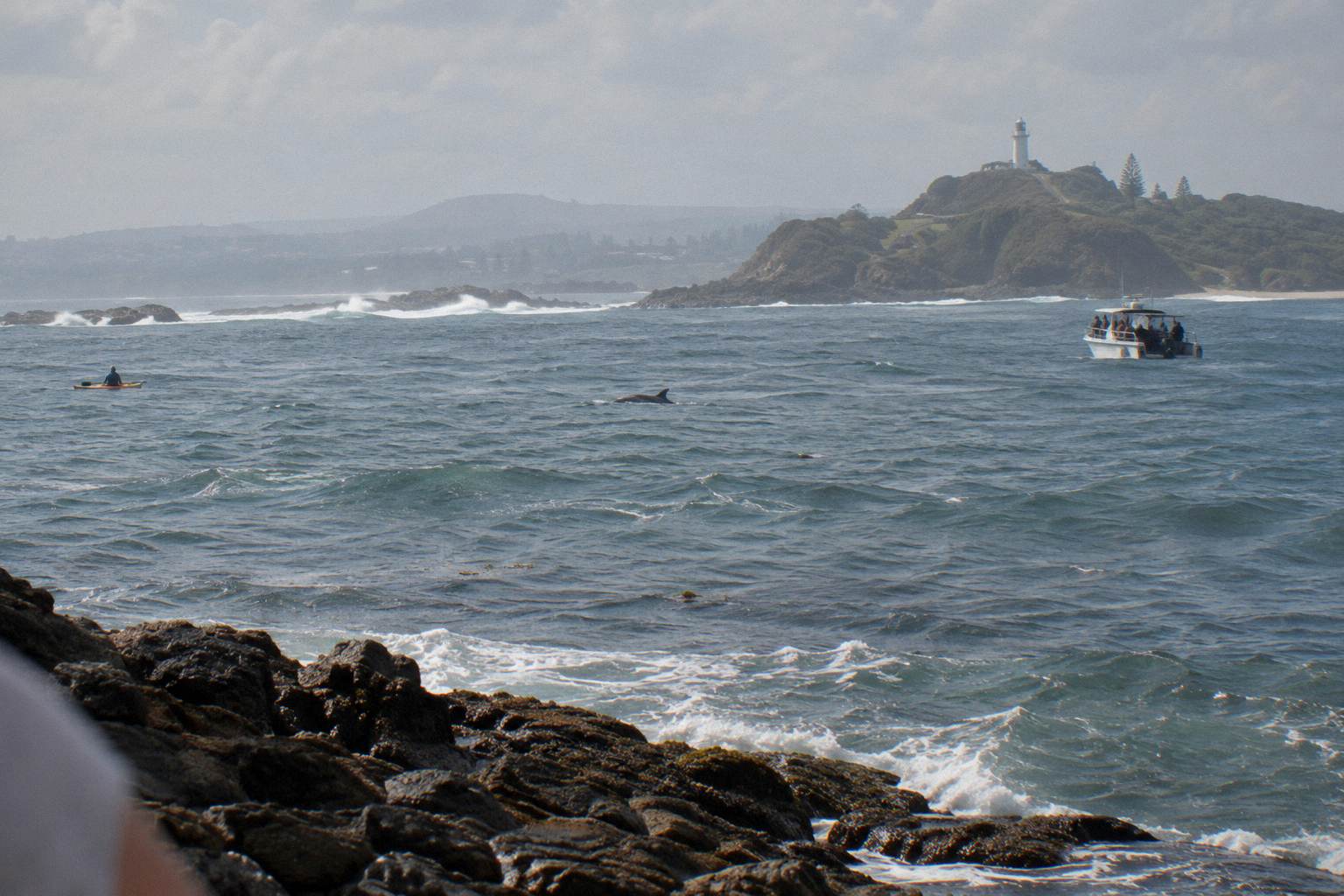
Weather rules run through the same licensed framework. Both operators run tours in the rain, Cape Byron Kayaks noting that dolphins are always wet, and both cancel for unsafe wind or large swell. Go Sea's terms give direct bookers a full refund when the operator cancels for unsafe conditions, with a 24 hour notice window for customer cancellations; Cape Byron Kayaks applies the same 24 hour notice to rebooking its guarantee return tours. None of that is park law, but it shows the operators managing risk on the same open coast the marine park regulates, a topic unpacked further in the guide to Byron Bay swell and kayak tour cancellations.
Whale season is where the rules bite hardest and where operator wording genuinely differs. Cape Byron Kayaks describes whale season as May to November on one page and June to November for humpbacks and southern rights on another; Go Sea says early June through late October on its whale page and June to November in its FAQ. No kayak tour promises whales, and the user guide's ban on commercial whale-watching vessel permits east of Cape Byron underlines how tightly this coast is managed. Readers planning around the migration can compare the seasons and formats in the Byron Bay whale watching season guide and the whale watching by kayak or boat comparison.
The river tours round out the picture without touching the marine park's ocean zones. Go Sea's Brunswick River scenic and sunset tours run about 2 hours each from Brunswick Heads, on calmer flat water with a minimum age of 3, the operator recommends its river trip for non-swimmers. The Dolphin Kayak, Cape Byron Kayaks link beside the Cape Byron Kayaks dolphin kayak tour page shows live dates for the ocean tour that paddles the marine park itself.
What Trips People Up When Reading Marine Park Rules
Most confusion comes from three places: assuming a kayak is exempt from vessel rules, assuming the whole marine park is one uniform no-take zone, and mixing up NSW approach distances with other countries' figures. NSW law names kayaks as vessels, so the 50 m dolphin and 100 m whale limits apply to every paddler. The park is a patchwork: 27.5% sanctuary, 19.2% habitat protection.
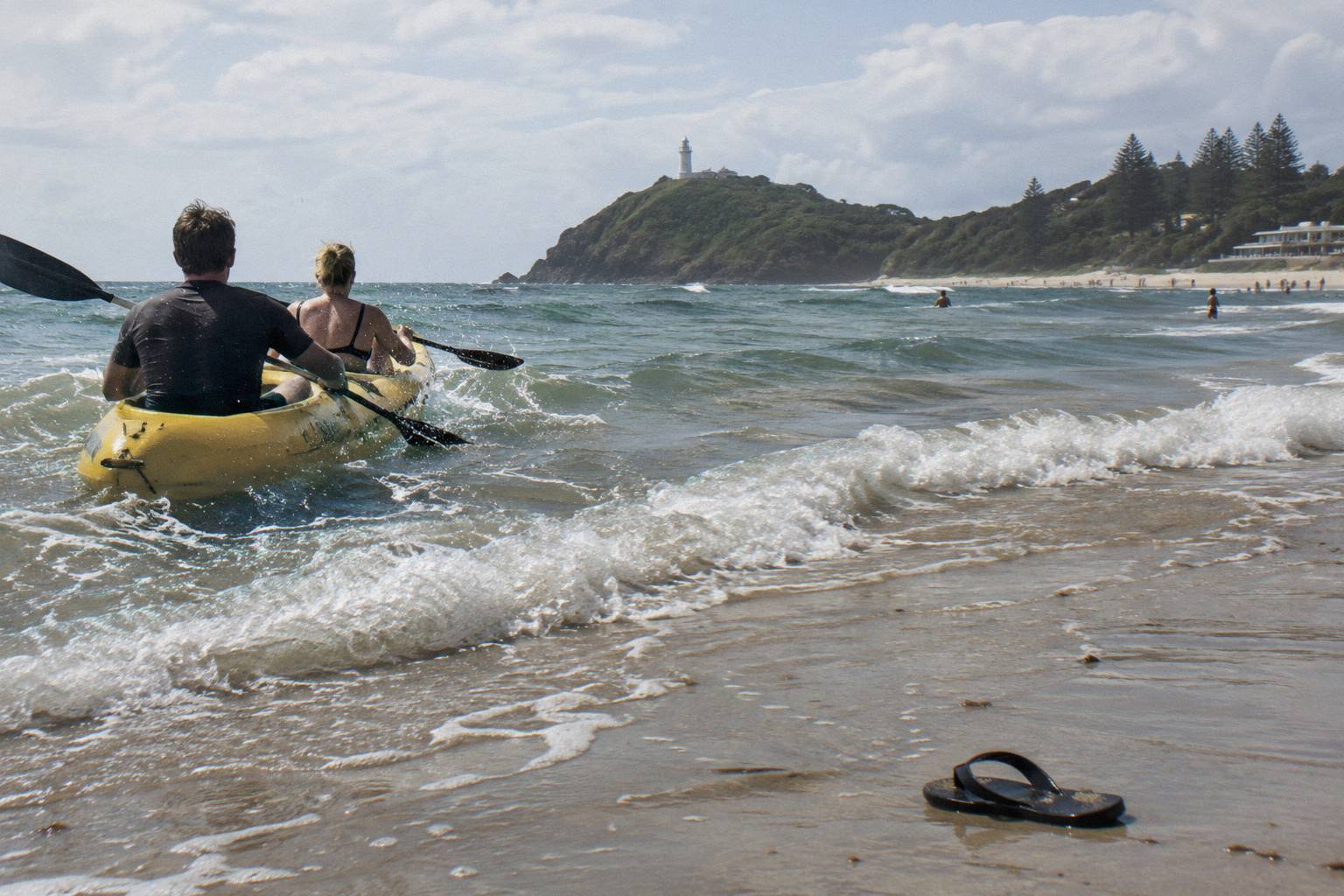
The first trap catches people who have read that approach rules apply to boats and assume paddle craft sit outside them. The official page removes the ambiguity by listing non-motorised boats, surfboards, surf skis and kayaks in its vessel definition. The second trap is the mirror image: a reader sees "no-take" attached to the marine park's name and concludes fishing is banned everywhere, when the no-take rule belongs to the sanctuary zones specifically and other zones carry different provisions. The third trap is quoting approach distances from international sources, which sometimes print smaller numbers for recreational craft; none of that applies here.
A fourth, quieter mistake is assuming a tour booking includes things the park forbids. No tour on offer includes swimming with dolphins, and the one operator asked about it answers directly that NSW rules mean dolphins are observed from the kayaks. A fifth is treating the wildlife guarantee as a sighting promise; both operators' guarantees are free return tours, and the operator that cites a 90% sighting rate also says plainly that not every tour sees dolphins. Reading the guarantee before booking, on the tours compared page, prevents the most common disappointment.
Here is a compact pre-paddle checklist drawn from the official pages:
- Treat the kayak as a vessel: 50 m from dolphins, 100 m from whales, caution zones at 150 m and 300 m.
- Never approach from behind, never wait in front; come in from the side at 30 degrees or more, slow and steady.
- Three vessels maximum in a caution zone, and none at all if a calf is present.
- Sanctuary zones are no-take: no fishing, no collecting, anywhere inside their boundaries.
- Fish feeding is prohibited in the marine park; leave interactions to the animals.
- Swimmers keep 30 m from any whale, dolphin or dugong, and enter no closer than 50 m to a dolphin or 100 m to a whale.
- Carry the official zoning map before fishing or collecting anywhere in the park.
Common Questions About Cape Byron Marine Park Kayak Rules
Which Rules Apply To Kayaks In Cape Byron Marine Park?
Two frameworks apply: NSW approach-distance law, which counts a kayak as a vessel and sets 50 m for dolphins and 100 m for whales with caution zones of 150 m and 300 m, and the marine park zoning plan, under which sanctuary zones are no-take and other zones permit non-harmful activities. All figures are from NSW Environment and Heritage and the DPIRD zoning plan user guide.
Can You Fish From A Kayak In Cape Byron Marine Park?
Only outside sanctuary zones, which cover 6,118 ha, 27.5% of the park, and ban all fishing and collecting. Elsewhere the zone rules differ and the official zoning map decides. No source provides a beach-by-beach list of fishing spots, and no tour operator offers kayak fishing.
Can You Swim Off A Kayak In The Marine Park?
Swimming and snorkelling are permitted as non-harmful activities, including in sanctuary zones. The limits are about proximity to mammals: enter the water no closer than 50 m to a dolphin or 100 m to a whale, and keep 30 m once in the water. No tour includes swimming with dolphins.
Do The Approach Distances Apply To Kayaks Or Only Boats?
They apply to kayaks. NSW Environment and Heritage defines a vessel to include non-motorised boats, surfboards, surf skis and kayaks, so the 50 m dolphin and 100 m whale limits, plus the caution zone conduct rules, bind every paddler.
What Happens If A Dolphin Swims Toward The Kayak?
The NSW rules say that if dolphins bow-ride, keep course and speed rather than changing direction. The distances apply to the vessel's approach, and the guides on licensed tours manage exactly these moments within the rules.
Are The Dolphin Kayak Tours Allowed Inside Sanctuary Zones?
Paddling and observing are permitted activities that do not harm animals, plants or habitat, and both ocean operators are licensed commercial tour operators listed by NSW National Parks. The tours take nothing from the water, so the no-take rule does not restrict them; the approach distances are the rules that shape the wildlife encounter.