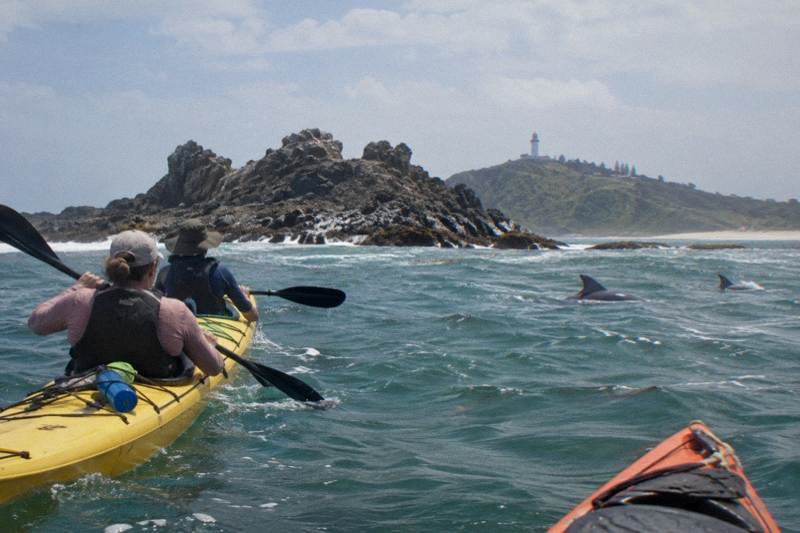
Cape Byron Marine Park: What A Kayak Tour Covers And Which Rules Apply
The dolphin kayak tours in Byron Bay paddle inside Cape Byron Marine Park, a protected area where state rules decide how close a kayak may come to a whale or a dolphin. Here is what the park is, how it is zoned, which licences the operators carry, and what the rules mean for a paddler.
Short answer
Cape Byron Marine Park is a NSW marine park whose sanctuary zones cover 6,118 hectares, 27.5% of its area, with habitat protection zones adding another 19.2%. Kayaks count as vessels under NSW approach rules: no closer than 50 m to a dolphin and 100 m to a whale, with caution zones at 150 m and 300 m. Both Byron Bay kayak operators are licensed commercial tour operators.
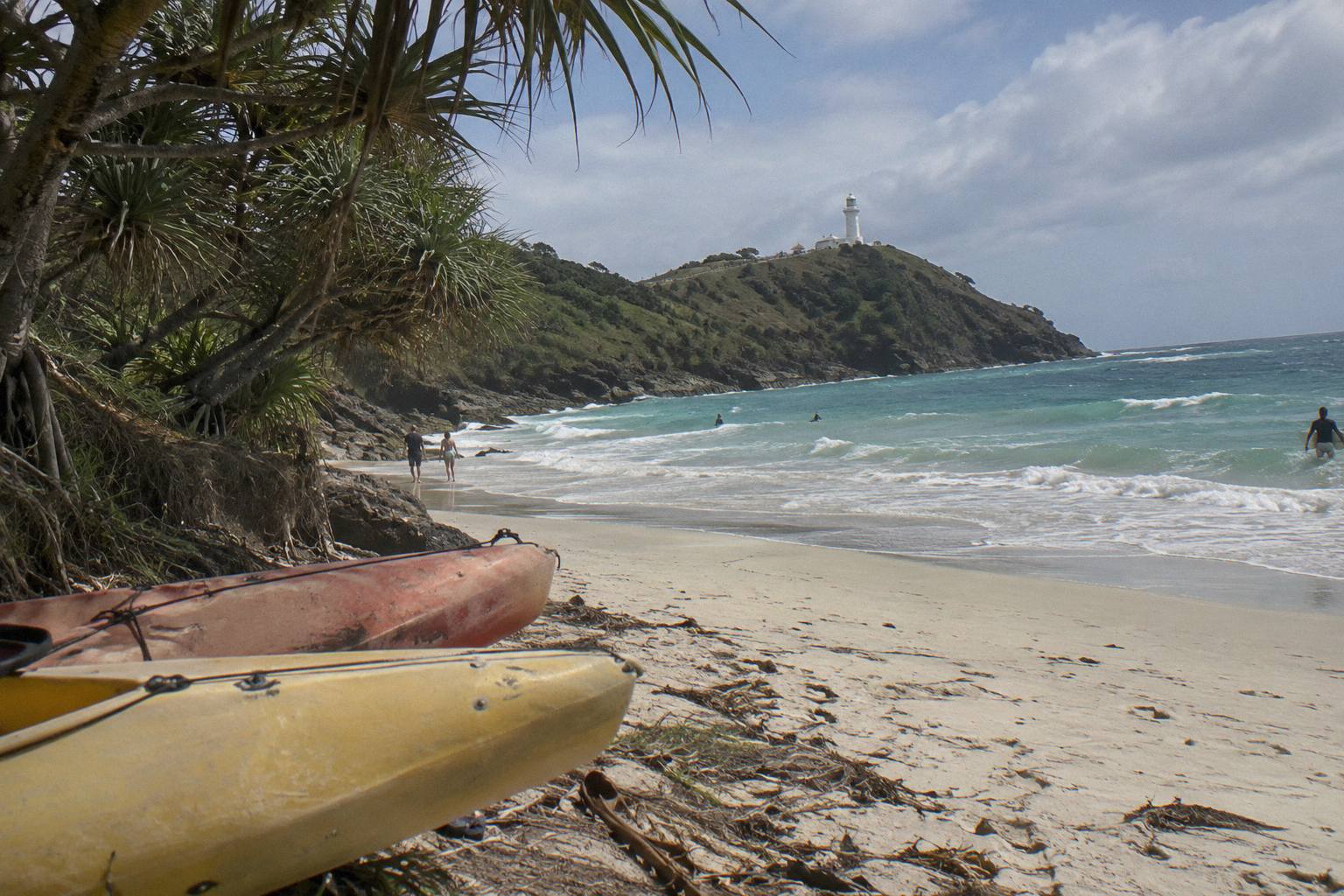
The dolphin kayak tours that leave from Byron Bay paddle inside Cape Byron Marine Park, a protected strip of ocean shaped by the East Australian Current, the warm tropical flow that runs down the coast and carries fish, turtles and migrating whales past the Cape. The park is the reason the tours exist in their current form: it sets where operators may take paying guests, and the NSW approach rules that govern the water set how close those guests may come to the animals. A reader researching the park before booking usually wants three answers in one place: what the park actually is, what a paddle there involves, and which rules apply once the kayak is on the water. Those three questions are the structure of the page that follows.
The starting point is simple. Two operators run guided dolphin kayak tours in the park, Cape Byron Kayaks and Go Sea Kayak Byron Bay, both licensed as commercial tour operators by NSW National Parks. Everything a paddler experiences on the water, from the launch point to the distance the group keeps from a pod, sits inside a framework of park zoning, operator licensing and state approach rules. None of it is optional for the operators, and the licensing is the reason a guided tour is the only straightforward way to paddle this coastline: neither operator offers rental kayaks, and Go Sea says the coastline is not suitable for them. For a broader picture of the options on the water, start with the Byron Bay kayaking overview and the tour comparison for Byron Bay sea kayaking.
What Is Cape Byron Marine Park And Why Do Kayak Tours Paddle There?
Cape Byron Marine Park is a NSW marine park covering the waters around Cape Byron, Australia's easternmost mainland point, and the dolphin kayak tours run inside it as licensed commercial operations. The park's shape and wildlife are driven by the East Australian Current, the warm ocean flow that sweeps tropical water south along the coast. Dolphins, turtles and migrating humpback whales move through it, which is what a guided paddle encounters, always conditions permitting and never guaranteed.
The park sits at the meeting point of warm and cooler water. The East Australian Current pushes tropical water down from the north, and the Cape juts far enough east to sit right in that flow. The result, in the words of the operators and the park managers alike, is a stretch of coast where subtropical marine life appears much further south than it does on neighbouring headlands. NSW National Parks describes the Go Sea tour area in terms of playful dolphins, sea turtles and, during migration season, humpback whales, and that description is the honest ceiling of any claim about what a paddle there involves.
Two things matter to a reader comparing tours. First, the park is a managed area, not a free-for-all: it is divided into zones with different rules, and commercial operators need permits and licences to work in it. Second, the tours are guided group tours, not rentals. Cape Byron Kayaks states that the tours are fully guided, and Go Sea says the coastline is not suitable for rental kayaks. So the way to paddle the marine park is to book a seat on a licensed tour, and the choice is effectively between the two operators plus their calmer-water alternatives on the Brunswick River.
The wildlife itself is the draw, and the operators are careful, legally required to be careful, about how they describe it. Cape Byron Kayaks says it sees dolphins on about 90% of its tours and answers a plain No to the question of whether it always sees them. Go Sea says it spots dolphins on most tours. Both run free return guarantees if the wildlife does not show, which is a return tour rather than a refund. Those claims are the operators' own and are the only sighting figures worth quoting.
Where Do The Kayak Tours Launch Inside The Marine Park?
The launch detail is worth getting right, because the streetscape is small and the addresses are close together. Go Sea's booking page says to meet opposite 58 Lawson Street at Shed 1, at least 20 minutes before the tour departs; the operator's own site says to meet 25 minutes before and names the park opposite Lawson Street. No pick-up is offered. Cape Byron Kayaks' booking page gives Shed 2, opposite 60/62 Lawson Street, with check-in 15 minutes before departure, and its own FAQ says check-in is opposite 62 Lawson Street, again with no pick-up.
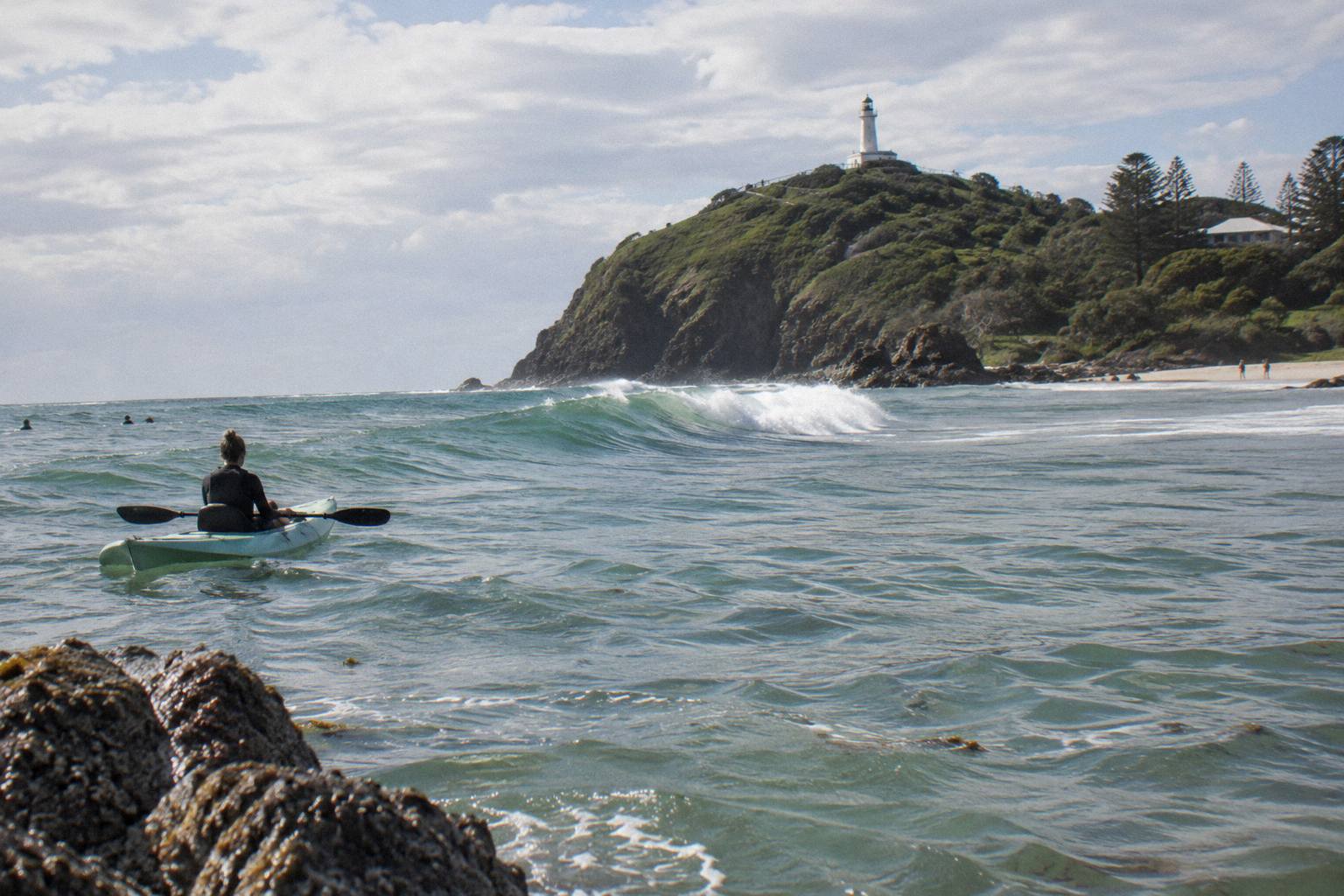
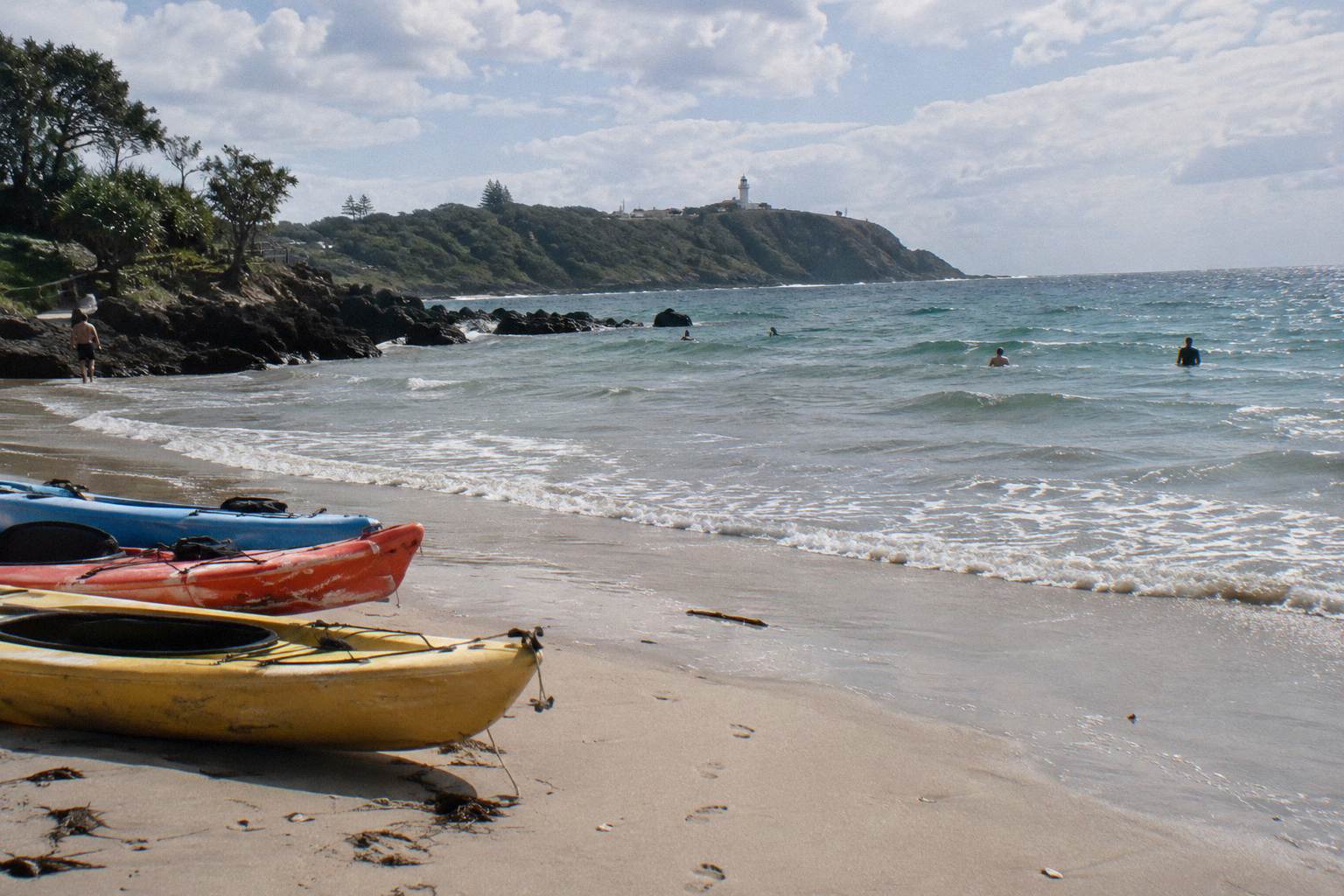
From the shed, the Cape Byron Kayaks tour moves onto the water at Clarkes Beach. NSW National Parks places that tour from Clarkes Beach, in Walgun Cape Byron State Conservation Area, a short walk from the town centre, and the operator's own description is that the group leaves from Clarkes Beach and follows the coastline out to the Cape, catching up with the dolphins around Wategos Beach. Go Sea's ocean tour departs the beach by the Lawson Street park. The meeting points and what each one means for the morning of the tour are covered in detail in the Clarkes Beach or Main Beach meeting point guide, and practical arrival questions are answered in the parking guide for Byron Bay kayak tours.
The other tours in the area sit outside this ocean launch. The two Brunswick River kayak tours and the stand up paddle nature tour meet at Brunswick Heads, the scenic river tour at the Scout Hall on South Beach Road and the sunset tour riverside of the same hall at 40 South Beach Road, both with the operator's high-tide timing and a meet time of 10 minutes before. The whale watching boat tour is further afield still: it departs Lance Ferris Wharf at Fawcett Street, Ballina, about 30 minutes south of Byron Bay by the booking page, with transfers not included. Those trips give a calmer-water or boat-based alternative to the ocean paddle.
| Tour | Check-In Address | Meet Before | Pick-Up Offered |
|---|---|---|---|
| Go Sea Kayak, Dolphins And Turtles | Opposite 58 Lawson St, Byron Bay (Shed 1) | At least 20 minutes | No |
| Guided Dolphin Kayak, Cape Byron Kayaks | Shed 2, opposite 60/62 Lawson St, Byron Bay | 15 minutes | No |
| River Kayak, Brunswick River | Brunswick Heads Scout Hall, South Beach Road | 10 minutes | Not stated |
| River Kayak, Sunset | 40 South Beach Rd, Brunswick Heads (riverside of the Scout Hall) | 10 minutes | Not stated |
| Stand Up Paddle, Nature Tour | Brunswick Heads, address given after booking | Not stated | Own transport required |
| Whale Watching, June To November | Lance Ferris Wharf, 12-24 Fawcett St, Ballina | 30 minutes | Transfers not included |
How Close Can A Kayak Get To Whales And Dolphins In The Marine Park?
The vessel definition is the piece many paddlers miss. The NSW Environment and Heritage page on approach distances for whales, dolphins and dugongs defines a vessel to include non-motorised boats, surfboards, surf skis and kayaks. There is no recreational exemption: a plastic sit-on-top double carrying a guide and a guest is governed by exactly the same distances as a motorboat. Within the caution zone, 150 m for a dolphin and 300 m for a whale, the rules get more specific. A vessel must not approach from behind or wait in front of the animal; it must approach from the side at an angle of at least 30 degrees to the animal's direction of travel; it must travel at constant slow speed with negligible wake; and no more than three vessels may be in the caution zone at once.
There are two behavioural rules that matter on a dolphin paddle. If dolphins begin bow-riding, the vessel must keep its course and speed rather than turning toward them. And if a whale approaches the kayak, the rule is to slow to minimal wash speed and avoid sudden movements. A vessel with two or more people on board must post a lookout, which on a guided tour is what the guide is doing as well as steering. If a calf is present, no vessel may enter the caution zone for closer viewing at all. A mostly white whale, dolphin or dugong carries a 500 m distance, a rule aimed at rare white animals such as the humpback known as Migaloo.
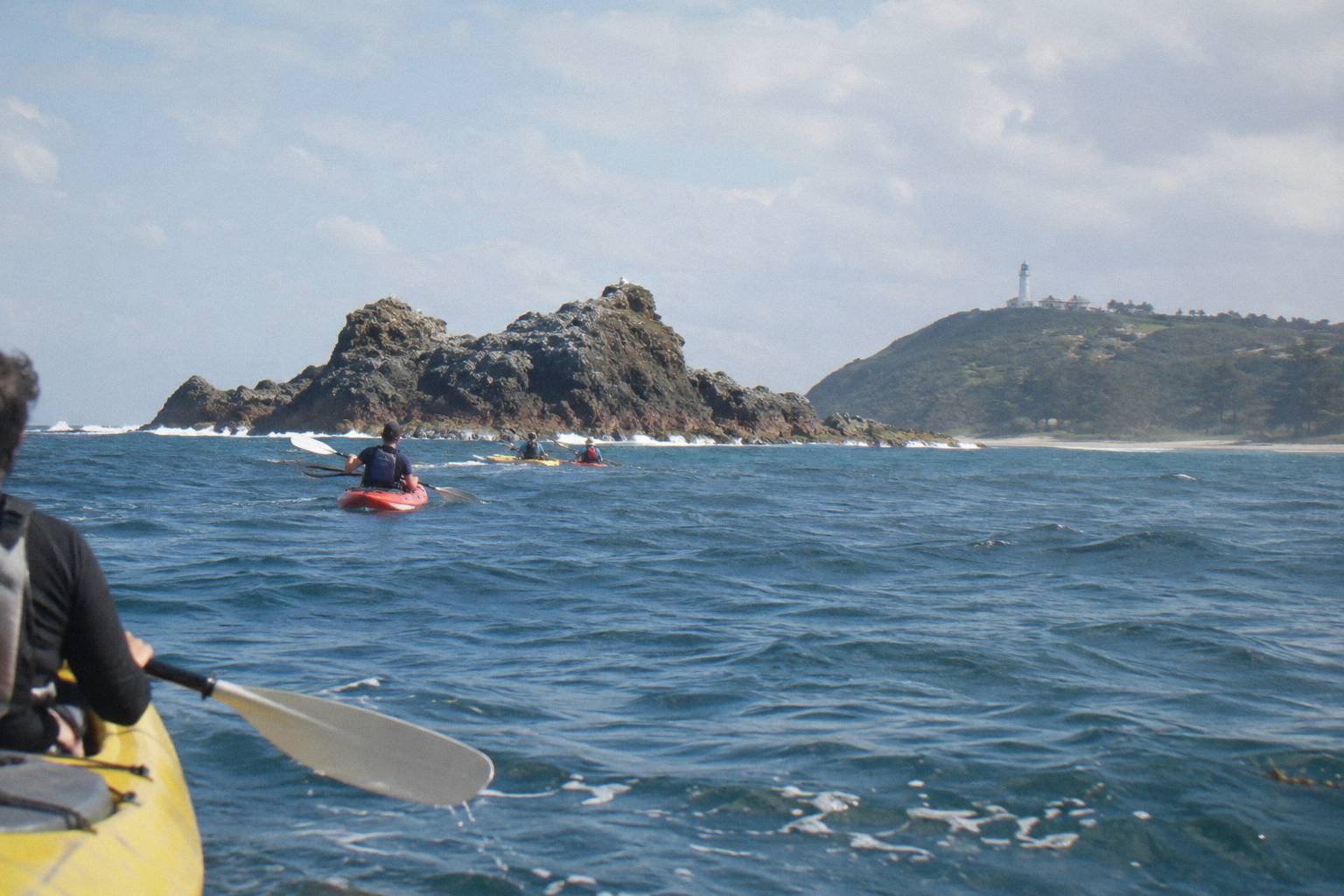
Swimmers, snorkellers and divers are covered separately, and the separation matters for anyone who arrives expecting a swim-with-dolphins trip. People may enter the water no closer than 100 m to a whale and 50 m to a dolphin, and once in the water they must keep at least 30 m from any whale, dolphin or dugong, calf included. Cape Byron Kayaks says as much in its own FAQ: there are strict rules about approaching wild animals in NSW, and the paddlers observe the dolphins from the kayaks. No tour in Byron Bay offers swimming with dolphins. The fuller distances and what they mean for a paddler are laid out in the guide to how close kayaks can get to whales and dolphins.
| Rule | What It Covers | Who It Binds |
|---|---|---|
| Vessel definition | Non-motorised boats, surfboards, surf skis and kayaks count as vessels | Every craft on NSW waters, guided or private |
| Approach distance, dolphin | No closer than 50 m to a dolphin or dugong | All vessels and all swimmers entering the water |
| Approach distance, whale | No closer than 100 m to a whale | All vessels and all swimmers entering the water |
| Caution zone | 150 m for dolphins, 300 m for whales; max 3 vessels inside at once | All vessels |
| Calf rule | No entering the caution zone if a calf is present | All vessels |
| Approach angle | From the side at 30 degrees or more; never from behind or waiting ahead | All vessels in the caution zone |
| In-water distance | Keep 30 m from any whale, dolphin or dugong once swimming | Swimmers, snorkellers, divers |
| Mostly white animal | Stay 500 m away | All vessels, swimmers and drones follow their own limits |
What Do The Marine Park Zones Mean For A Kayaker?
The zoning language can be opaque, so it helps to translate it. A sanctuary zone is the strictest category: nothing may be taken from it, which means no fishing and no collecting of any kind. A habitat protection zone allows recreational fishing under rules but still protects habitat. The June 2018 zoning plan user guide, published by the NSW Department of Primary Industries and Regional Development, sets out the split for Cape Byron: 6,118 hectares of sanctuary at 27.5% of the park, and 4,271 hectares of habitat protection at 19.2%, with East Cape Byron among the habitat protection areas and the foreshore beaches and estuaries outside sanctuary zones falling into habitat protection or special purpose zones. More of these guides are collected on Byron Bay Dolphin Kayak.
| Zone | Area | Share Of Park | What A Kayaker May Do |
|---|---|---|---|
| Sanctuary zone | 6,118 ha | 27.5% | Observe; no fishing, no collecting, no-take |
| Habitat protection zone | 4,271 ha | 19.2% | Observe; recreational fishing under rules |
| Special purpose zone | Not stated | Not stated | Estuaries and foreshore areas outside sanctuary zones |
For a paddler on a guided dolphin tour, two prohibitions are worth knowing by name. Fish feeding is prohibited anywhere in the marine park, and sanctuary zones ban fishing and collecting outright. A kayaker who is on the water purely to observe breaks neither rule by being there, since observation is an activity that does not harm animals, plants or habitat. The tours' format, guided groups in sit-on-top doubles observing wildlife from the kayaks, fits the zoning framework rather than fighting it. Nothing in the rules or on any operator page suggests kayakers may touch or feed wildlife, and no tour offers that.
One further zoning note concerns boats rather than kayaks, but it comes up in questions about whale season. The user guide states that permits will not be granted for commercial vessels to undertake whale watching in the marine park east of Cape Byron or within 1 km of the Cape Byron Lighthouse. That clause is about commercial vessel whale-watching permits, not about kayaks, and the kayak tours operate under their own commercial tour licences. Whale season itself is operator-stated and differs slightly between the two: Cape Byron Kayaks says May to November, Go Sea says early June to late October on one page and June to November on another. Whales are never promised on a kayak tour; the Byron Bay whale watching season guide covers the migration in full.
What Licences Do The Byron Bay Kayak Operators Hold?
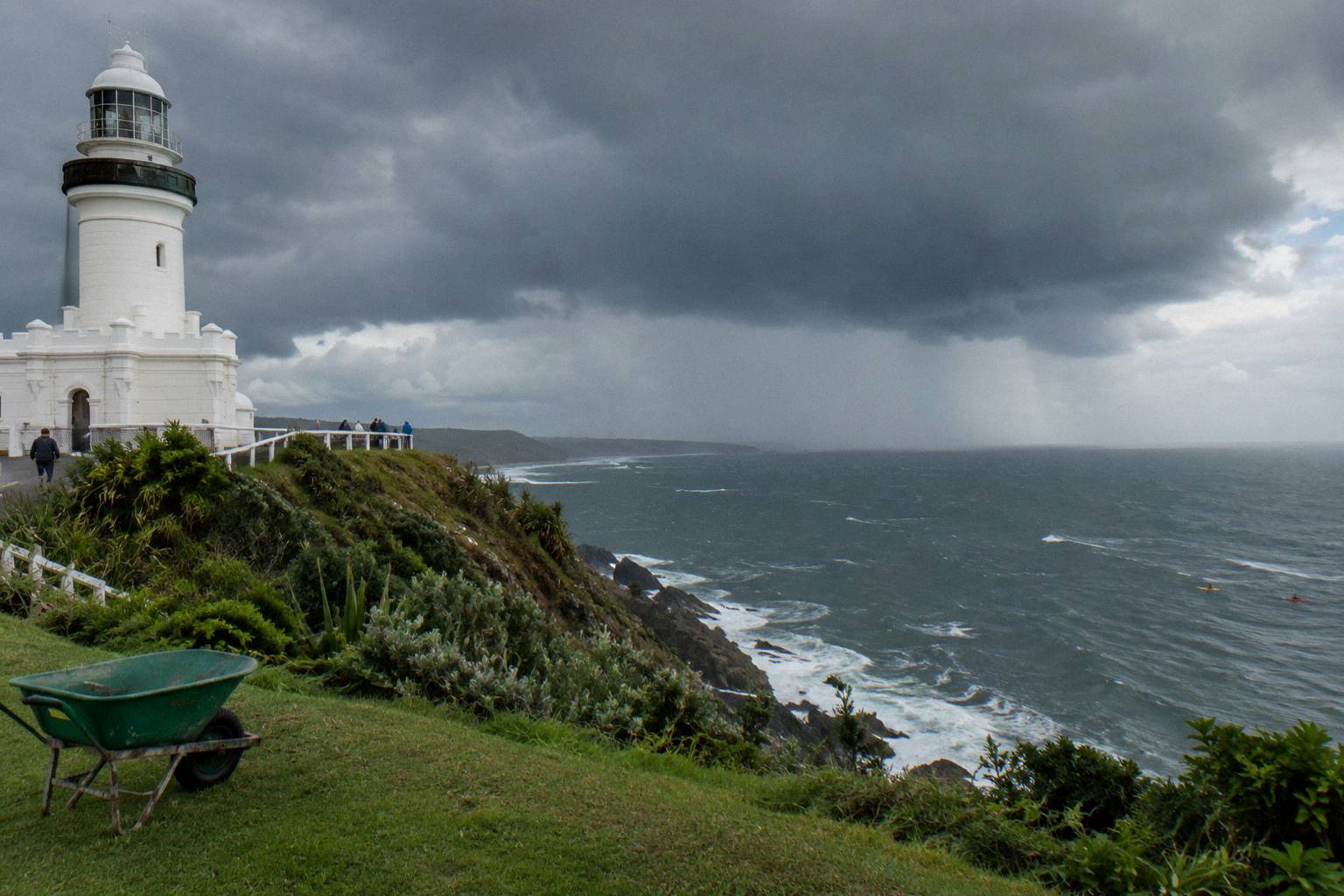
NSW National Parks lists both Cape Byron Kayaks and Go Sea Kayak Byron Bay as licensed commercial tour operators, and Cape Byron Kayaks displays licences from the Cape Byron Conservation Area Trust, Byron Shire Council and NSW Maritime on its site. The marine park user guide requires commercial operators to hold a Marine Parks permit, and the National Parks tour pages tie each operator's licence to the tours it runs in the conservation area.
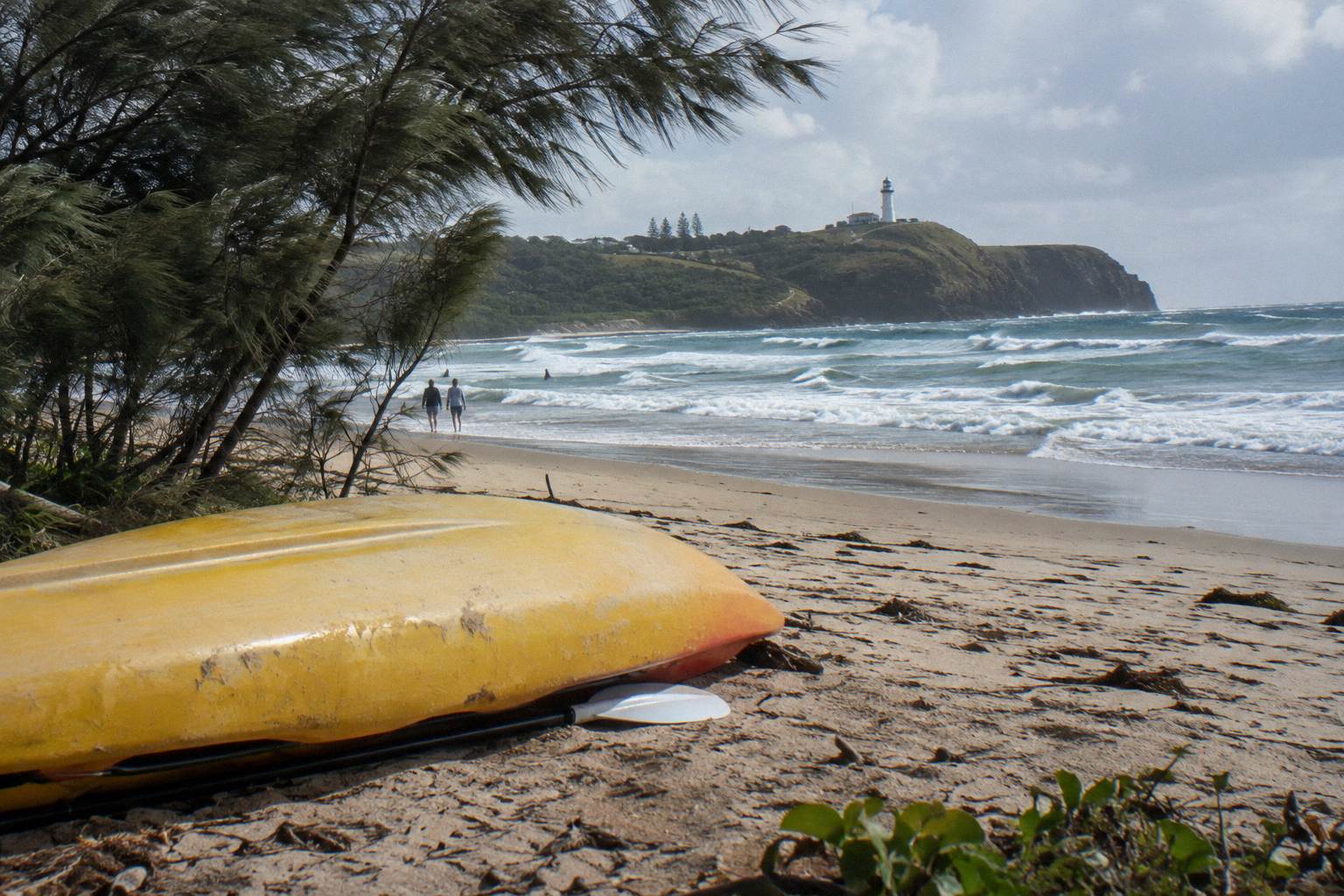
The licensing picture answers a question readers rarely ask directly but often act on: is this operator legitimate? For the two Byron Bay ocean tours the answer is documented. NSW National Parks carries a listing for the Cape Byron Kayaks dolphin tour that describes the operator as licensed and places the tour from Clarkes Beach in Walgun Cape Byron State Conservation Area. The same National Parks pages list the Go Sea sea kayak tour as a two-hour trip graded medium, suitable for adults and children aged 5 and above, and not recommended for people with a chronic back injury or pregnant women. Those grading and suitability notes come from the parks authority, not from the marketing copy, which makes them a useful independent check when comparing the two.
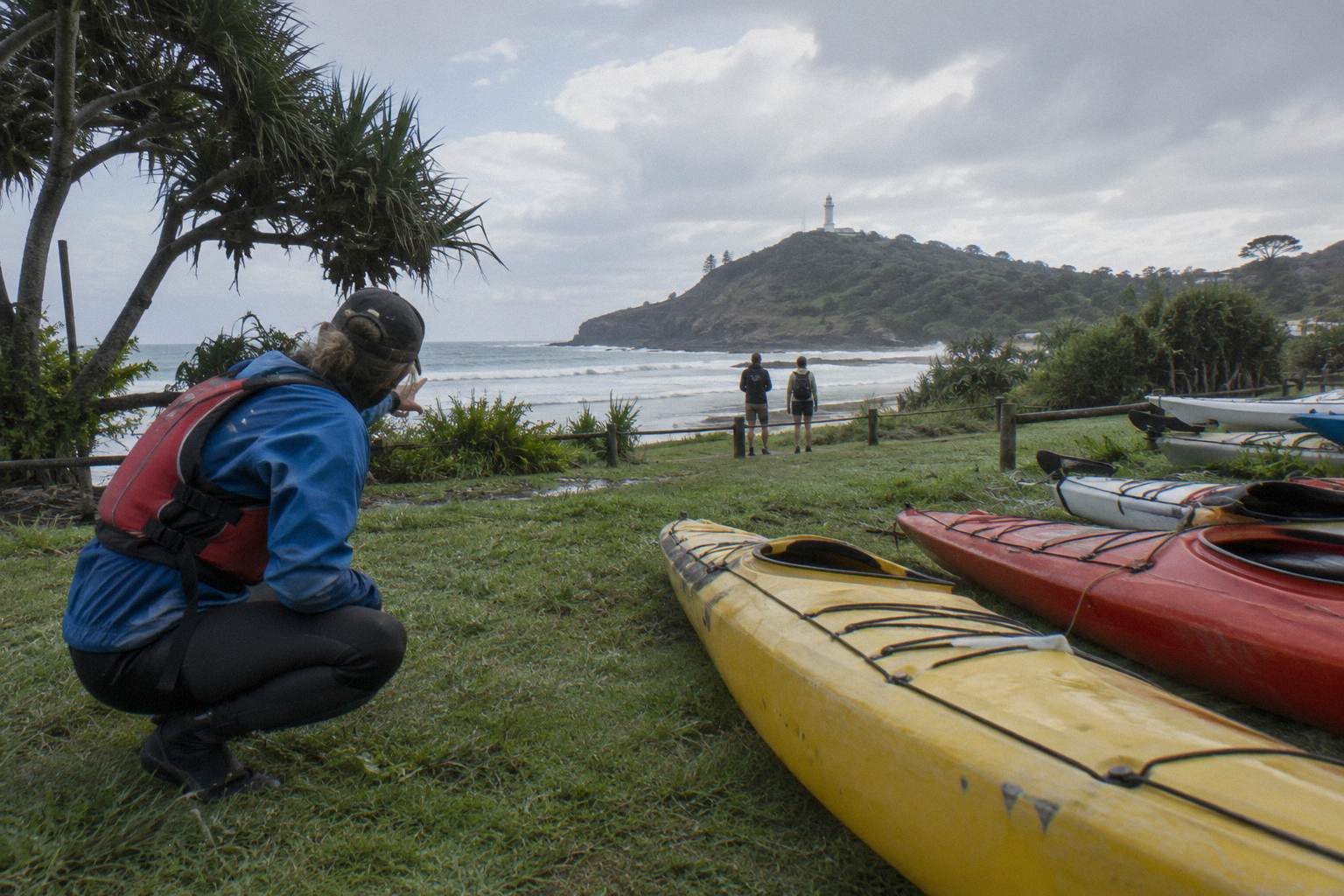
Cape Byron Kayaks adds its own licence detail: its site lists the Cape Byron Conservation Area Trust, Byron Shire Council and NSW Maritime, and it has operated since 1995. Go Sea is owned by Kurt Tutt of Byron Bay Surf Life Saving Club, in the operator's own words, and both operators describe their tours as guided by surf lifesavers. No page documents any Byron Shire rule for commercial launches at Clarkes or Main Beach beyond those licences, so none is claimed here. If a reader wants the licensing detail straight from the source, the National Parks page on the Cape Byron Kayaks dolphin tour carries the licence wording, the zoning detail sits with DPIRD's marine park pages, and the approach rules are on the NSW Environment and Heritage page.
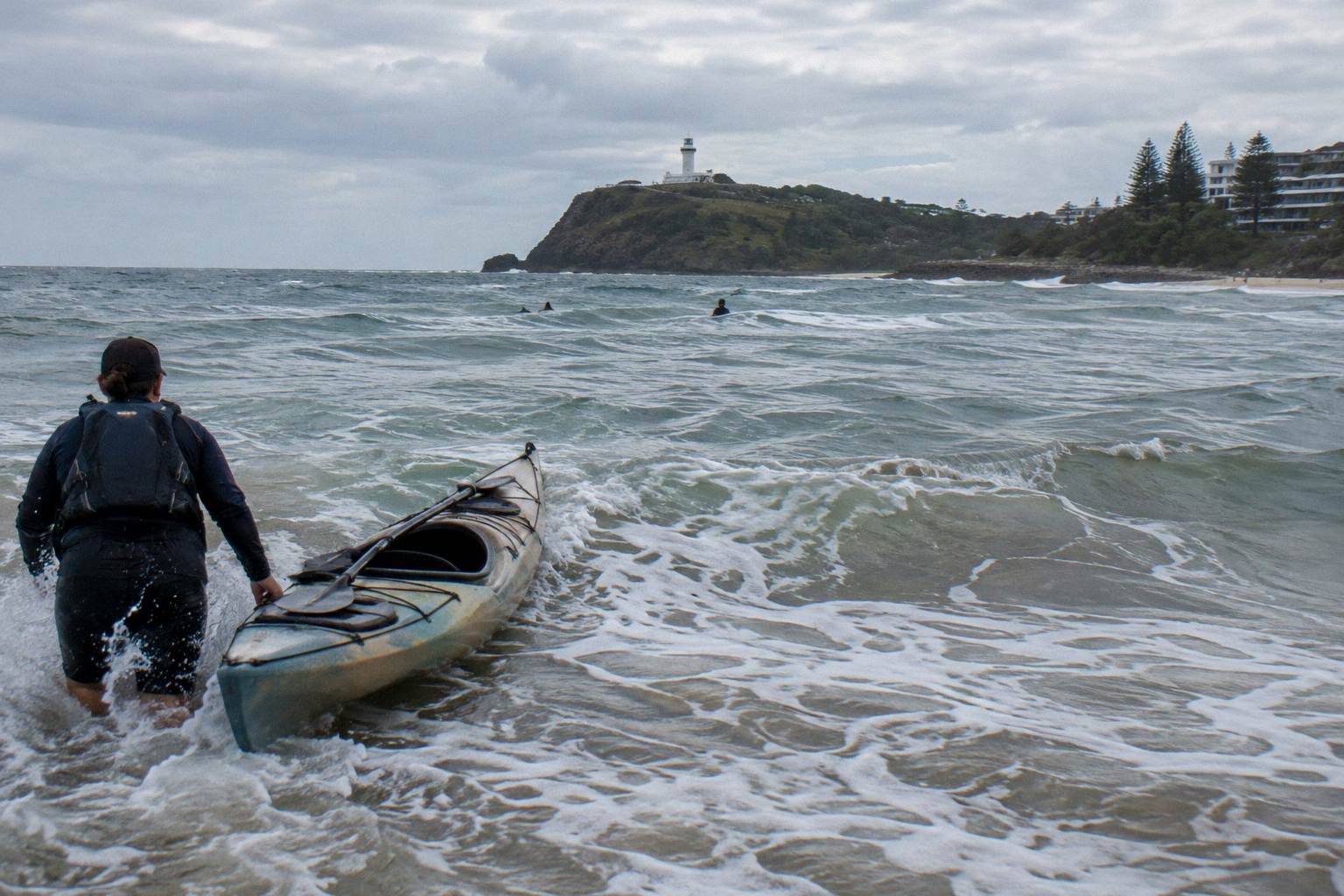
The booking side of the tours is best handled on the operators' pages, where dates and availability are live. The Cape Byron Kayaks dolphin kayak tour holds a rating of 4.4 across 402 reviews on its booking page; the Go Sea ocean tour is rated 4.6 on its booking page and priced from AUD 59 per person, a figure that changes by date. Cape Byron Kayaks states no price on the pages read, so ask the operator directly. The two Brunswick River tours carry no printed ratings. You can read the full rundown of the Guided Dolphin Kayak tour by Cape Byron Kayaks on its tour page, and check availability on dates that suit before the summer calendar fills.
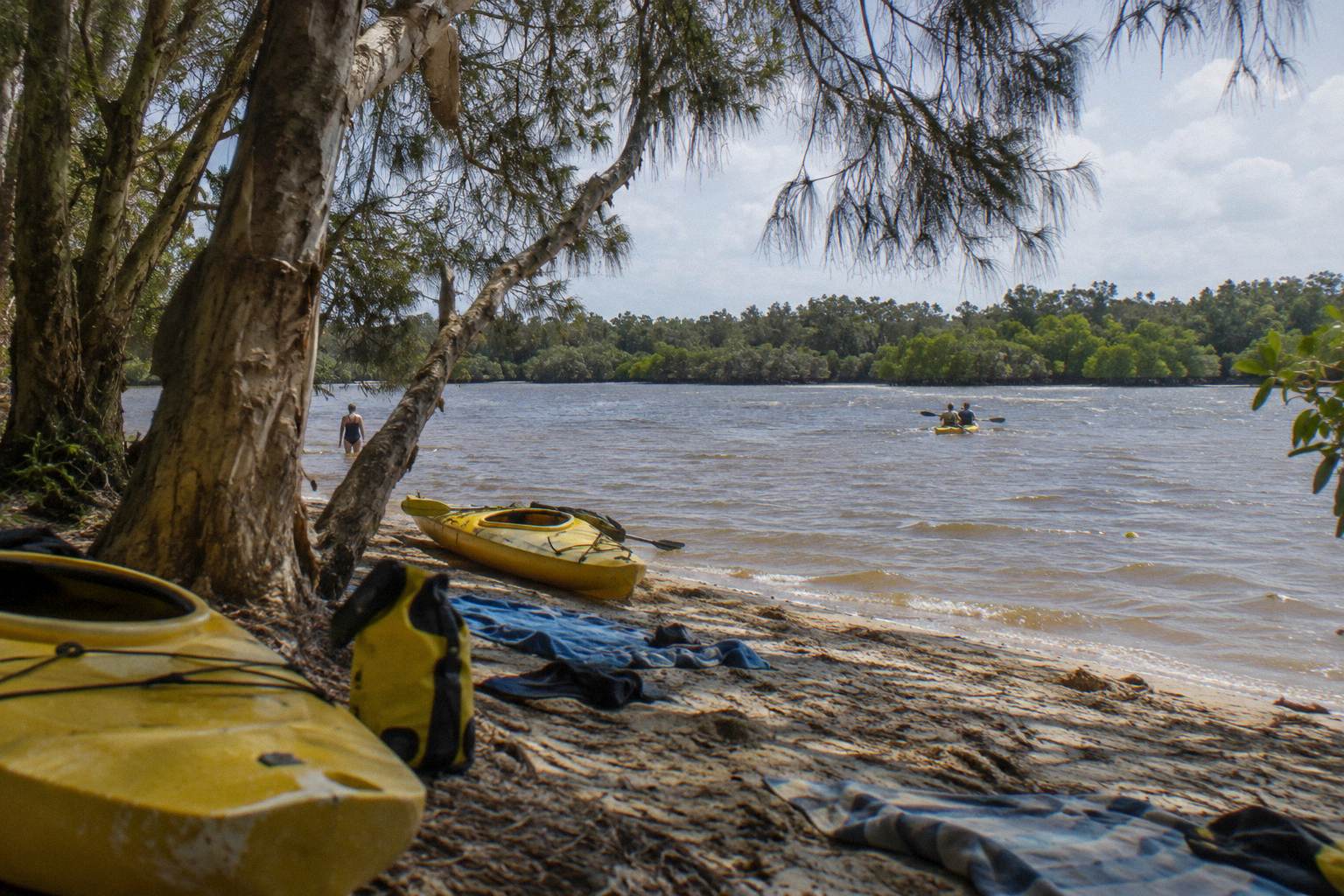
Go Sea's ocean tour is the other licensed paddle inside the park, about 2.5 hours on the booking page and about 2 hours on the operator's own site, with a minimum age of 5 and non-swimmers accepted provided they tell the guide and wear a life jacket. The contrast with Cape Byron Kayaks on the swimming question is sharp and matters more than any price line: Cape Byron Kayaks requires paddlers 16 and over to swim 25 m unassisted and does not take non-swimmers at all. The two operators' rules are set out side by side in the guide to whether non-swimmers can do a Byron Bay kayak tour, and the water conditions that drive cancellations are covered in the swell and cancellation guide.
Which Tour Suits Your Marine Park Day Best?
For the classic dolphin paddle inside the park, the choice is between the two ocean tours, both guided, both in double sit-on-top kayaks, both about 2.5 hours and both holding free return guarantees if the wildlife does not appear. Families with children under 5, non-swimmers who prefer flat water, or travellers wanting a shorter, calmer session are better matched to the Brunswick River tours or the stand up paddle nature tour, which meet at Brunswick Heads.
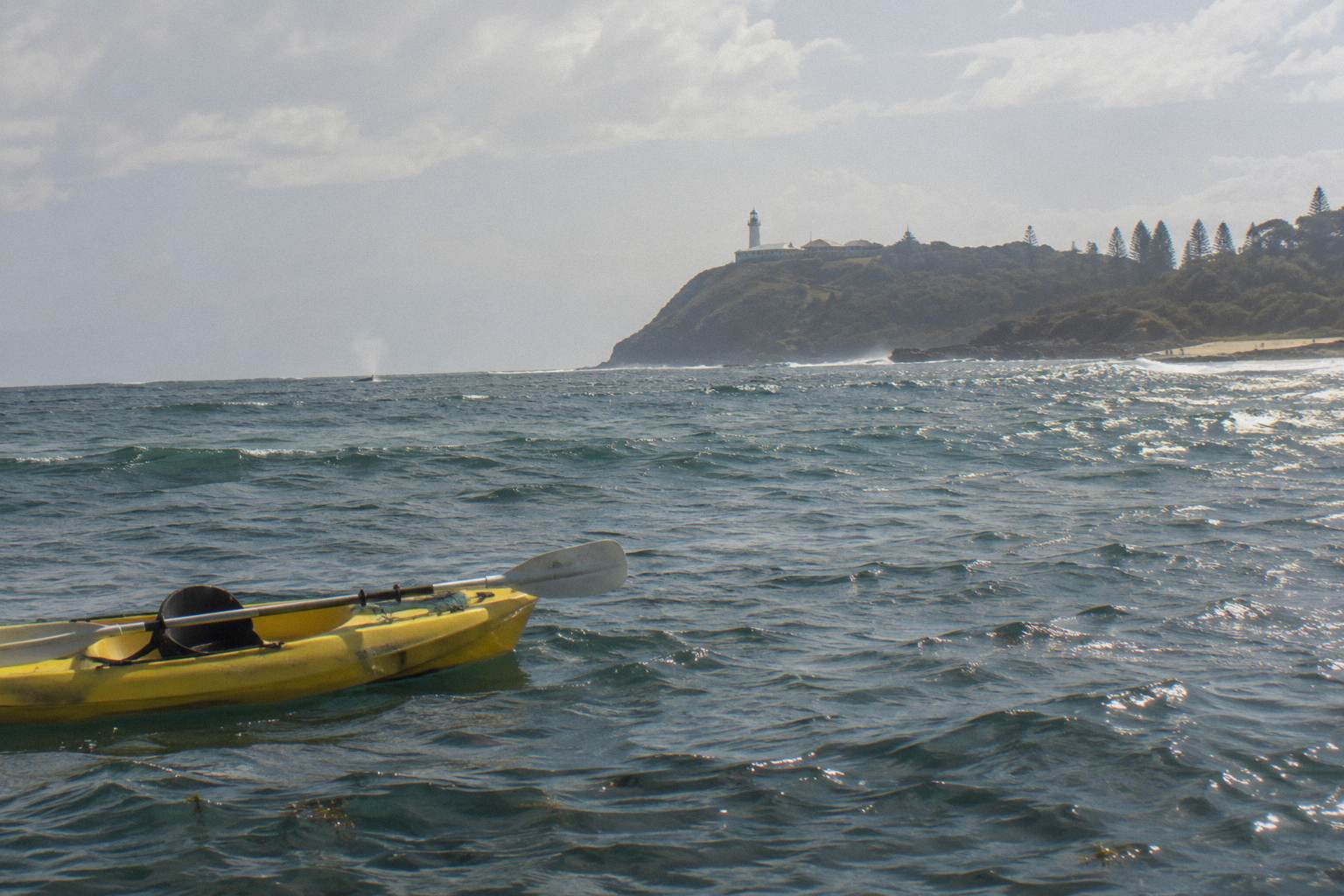
The decision logic splits on three axes: water, swimming ability and age. Ocean first. Both ocean tours check in on Lawson Street and paddle the marine park's open coast. Cape Byron Kayaks sets a minimum age of 5, requires under-16s to be accompanied one adult to one child, and requires confident swimmers 16 and over. Go Sea sets the same minimum age of 5 and accepts non-swimmers who notify the guide. Go Sea's booking page shows a from price of AUD 59 per person; Cape Byron Kayaks states no price, so the comparison has to be made by asking. Both run in the rain and cancel only for unsafe wind or large swell, and both offer a free return tour rather than a refund if no dolphins appear.
| Tour | Water | Duration | Minimum Age | Swim Rule | Meeting Point |
|---|---|---|---|---|---|
| Guided Dolphin Kayak, Cape Byron Kayaks | Open ocean, marine park | About 2.5 hours | 5 | 16 and over must swim 25 m; no non-swimmers | Shed 2, opposite 60/62 Lawson St |
| Go Sea Kayak, Dolphins And Turtles | Open ocean, marine park | About 2.5 hours | 5 | Non-swimmers accepted; tell the guide | Opposite 58 Lawson St, Shed 1 |
| River Kayak, Brunswick River | Sheltered river | About 2 hours | 3 | Not stated; ask the operator | Brunswick Heads Scout Hall |
| River Kayak, Sunset | Sheltered river | About 2 hours | 3 | Not stated; ask the operator | 40 South Beach Rd, Brunswick Heads |
| Stand Up Paddle, Nature Tour | Sheltered river water | About 2 hours | Not stated | Not stated; ask the operator | Brunswick Heads, address after booking |
| Whale Watching, June To November | Ocean, from a boat | About 2.5 hours | Not stated | Boat tour; no paddling | Lance Ferris Wharf, Ballina |
For families with very young children, the river tours set a minimum age of 3, the lowest on the books, and Go Sea itself recommends its Brunswick River tour for non-swimmers. The scenic river tour meets at the Brunswick Heads Scout Hall on South Beach Road, and the sunset tour meets riverside of the same hall at 40 South Beach Road, both timed to the tide by the operator with a 10-minute-early meet. The stand up paddle nature tour is a different craft altogether, rated 5.0 across 391 reviews on its booking page, meeting in Brunswick Heads with the address given after booking and own transport required. The kayak tour versus SUP and hire comparison works through that choice in detail.
The whale watching boat tour is the outlier. It departs Lance Ferris Wharf in Ballina, about 30 minutes south of Byron Bay, runs about 2.5 hours in the June to November season, and involves no paddling at all. Travellers who want whales without the surf launch, or whose group includes people who would not pass Cape Byron Kayaks' swim rule, can pair a river kayak morning with a boat afternoon and still see the coast from the water both times. The trade-offs between paddling and boating for whales are laid out in the whale watching by kayak or boat guide.
Common Mistakes When Planning A Cape Byron Marine Park Paddle
The mistakes that cost people their trip are: assuming dolphins are guaranteed, arriving at the wrong shed with no time to spare, booking Cape Byron Kayaks with a non-swimmer in the group, expecting to swim with the dolphins, and assuming winter is off limits. The 90% sighting figure belongs to Cape Byron Kayaks alone, and its FAQ says it does not always see dolphins. The free return guarantee is a return tour, never a refund.
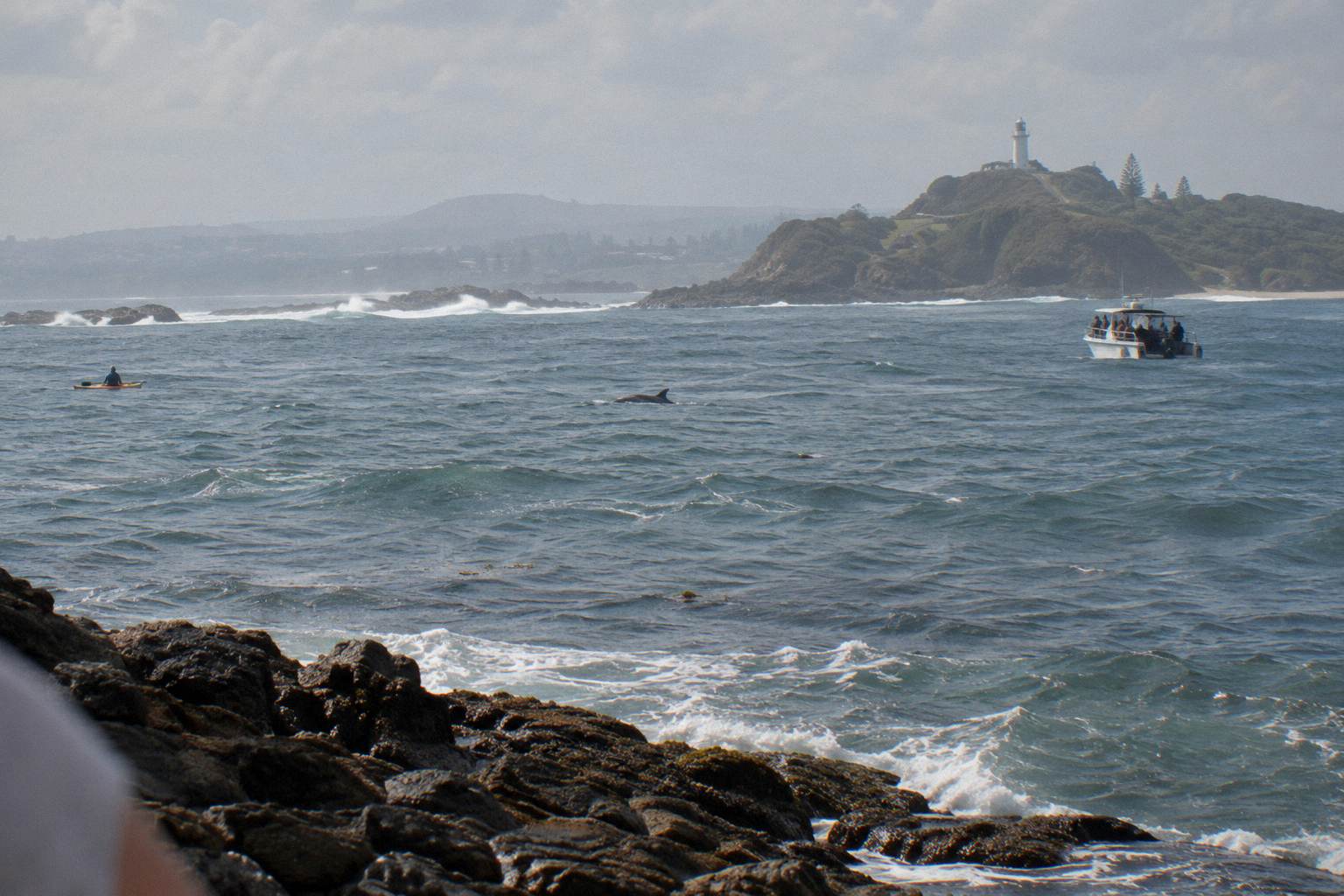
The shed mix-up is the most common practical error. The two operators check in at different sheds with slightly different addresses, Go Sea at Shed 1 opposite 58 Lawson Street and Cape Byron Kayaks at Shed 2 opposite 60/62 Lawson Street, and the meet times differ by five to ten minutes: at least 20 minutes before departure for Go Sea, 15 minutes for Cape Byron Kayaks. Neither operator offers pick-up, so the arrival is entirely on the guest. The second error is the swim rule. A group that books Cape Byron Kayaks with a confident-but-not-strong swimmer aged 16 or over is booking a problem: the operator states that non-swimmers are escorted back with no refund. The third is expectation. NSW rules keep swimmers 30 m from dolphins, Cape Byron Kayaks observes from the kayaks, and no Byron Bay tour swims with dolphins, so a traveller sold on that idea needs a different trip.
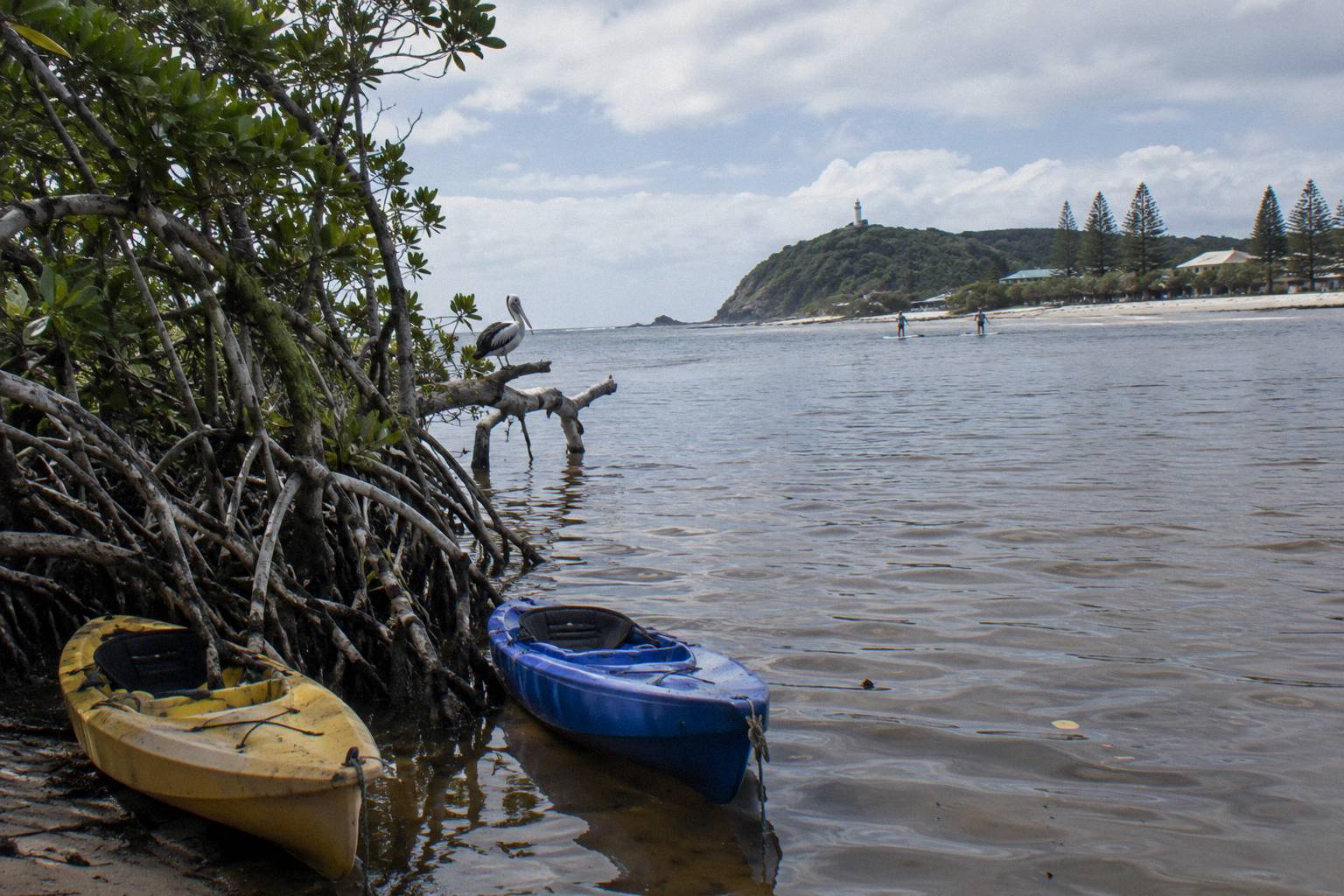
Winter deserves a direct answer too. The tours run all year, weather permitting, and the sea temperature averages about 21.5 °C in July and August against about 27.1 °C in February, figures from seatemperature.org's monthly averages. Go Sea provides wetsuits in the cooler months, and Cape Byron Kayaks supplies wetsuits if required. The question of whether winter is too cold, and what the operators supply, is covered in full in the winter kayaking guide for Byron Bay. Whale season, by the operators' own differing statements, runs somewhere between May and November, which makes the colder months the richer ones for surface activity.
The stand up paddle nature tour rounds out the options for anyone whose group cannot satisfy the ocean tours' rules: it meets in Brunswick Heads, runs about 2 hours, and its rating of 5.0 across 391 reviews is the strongest review pool of anything adjacent to the dolphin paddle, though its minimum age and swim rules are not stated, so ask the operator when booking. Between the two river paddles, the SUP session and the ocean tours, nearly every group finds a workable option, and the choice is best made on swimming ability and age rather than on price alone, since only Go Sea's ocean tour prints a from price at all.
To see every current option side by side with live dates, browse the selection below before locking in a day.
Common Questions About Cape Byron Marine Park Kayaking
Are Dolphins Guaranteed On A Cape Byron Marine Park Kayak Tour?
No. Cape Byron Kayaks says it sees dolphins on about 90% of its tours and states plainly that it does not always see them; Go Sea says it spots dolphins on most tours. Both operators offer a free return tour if no dolphin, turtle or in-season whale appears, and that guarantee is a return trip, not a refund.
Can A Kayak Approach A Dolphin In Cape Byron Marine Park?
No closer than 50 m. NSW Environment and Heritage counts kayaks as vessels, so the vessel rules apply: 50 m minimum distance from a dolphin, 150 m caution zone, no more than three vessels inside it at once, and no entering the caution zone at all if a calf is present. If dolphins bow-ride, the kayak keeps course and speed.
Can You Fish From A Kayak In The Marine Park?
Not in sanctuary zones. Sanctuary zones are no-take and cover 6,118 hectares, 27.5% of the park, while habitat protection zones allow recreational fishing under rules. Fish feeding is prohibited throughout the park. The guided dolphin tours do not fish at all.
Do The Kayak Tours Swim With The Dolphins?
No. NSW rules require swimmers to keep at least 30 m from dolphins once in the water, and Cape Byron Kayaks says the group observes the dolphins from the kayaks under strict NSW rules on approaching wild animals. No tour in Byron Bay offers swimming with dolphins.
Which Operators Are Licensed To Run Kayak Tours In The Park?
NSW National Parks lists both Cape Byron Kayaks and Go Sea Kayak Byron Bay as licensed commercial tour operators. Cape Byron Kayaks also lists the Cape Byron Conservation Area Trust, Byron Shire Council and NSW Maritime on its site, and has operated since 1995.
Do The Tours Run In Winter Inside The Marine Park?
Yes, all year, weather permitting. Sea temperatures average about 21.5 °C in July and August against about 27.1 °C in February by seatemperature.org's monthly averages, and Go Sea supplies wetsuits in the cooler months while Cape Byron Kayaks supplies them if required. Unsafe wind or large swell cancels a tour in any season.