Sea Kayaking With Dolphins In Australia: Where Byron Bay Fits
Dolphin kayak tours run in several places around the Australian coast, and the way to tell a good one from a weak one is the same everywhere: what the operator actually promises, what rules govern the encounter, and what happens when the animals do not show.
Short answer
Byron Bay is one of Australia's best-documented places to paddle with dolphins nearby: two licensed ocean kayak operators, Go Sea Kayak Byron Bay (from AUD 59, rated 4.6) and Cape Byron Kayaks (rated 4.4 across 402 reviews), both guided by surf lifesavers inside Cape Byron Marine Park. Neither guarantees a sighting; both offer a free return tour if the wildlife is missed.
For the town-by-town detail, start with the parent Byron Bay kayaking guide.
| Fact | Detail |
|---|---|
| Ocean dolphin tours | Go Sea Kayak Byron Bay; Cape Byron Kayaks |
| Booking-page duration | About 2.5 hours for both ocean tours |
| Go Sea from-price | From AUD 59 per person |
| Ratings | Go Sea 4.6; Cape Byron Kayaks 4.4 across 402 reviews |
| Minimum age | 5 on both ocean tours (operator pages) |
| Kayak type | Sit-on-top doubles, guided only |
| Wildlife guarantee | Free return tour with both operators, no refund |
| Meeting points | Lawson Street sheds, opposite 58 and 60/62 |
Where Does Byron Bay Sit Among Australian Dolphin Kayak Spots?
Byron Bay sits at the front of Australian dolphin kayak spots as the yardstick against which anywhere else you might paddle gets measured. Its two local operators publish their sighting claims, guarantee terms and rules on their own pages, and the town openly documents the four things that separate a good tour from a disappointing one: a licensed operator, guides with real water credentials, honest sighting language, and a written outcome if the animals stay away.
What the Byron Bay facts show is a tightly regulated setup. Cape Byron Kayaks describes itself as operating since 1995, and the NSW National Parks and Wildlife Service lists it as a licensed commercial tour operator running trips from Clarkes Beach, in Walgun Cape Byron State Conservation Area. The same NPWS pages list the Go Sea Kayak tour with a difficulty grade of "Medium" and a suitability line of "adults and children aged 5 years and above". Licensing matters because the paddle happens inside Cape Byron Marine Park, where zoning decides what commercial activity is permitted and where.
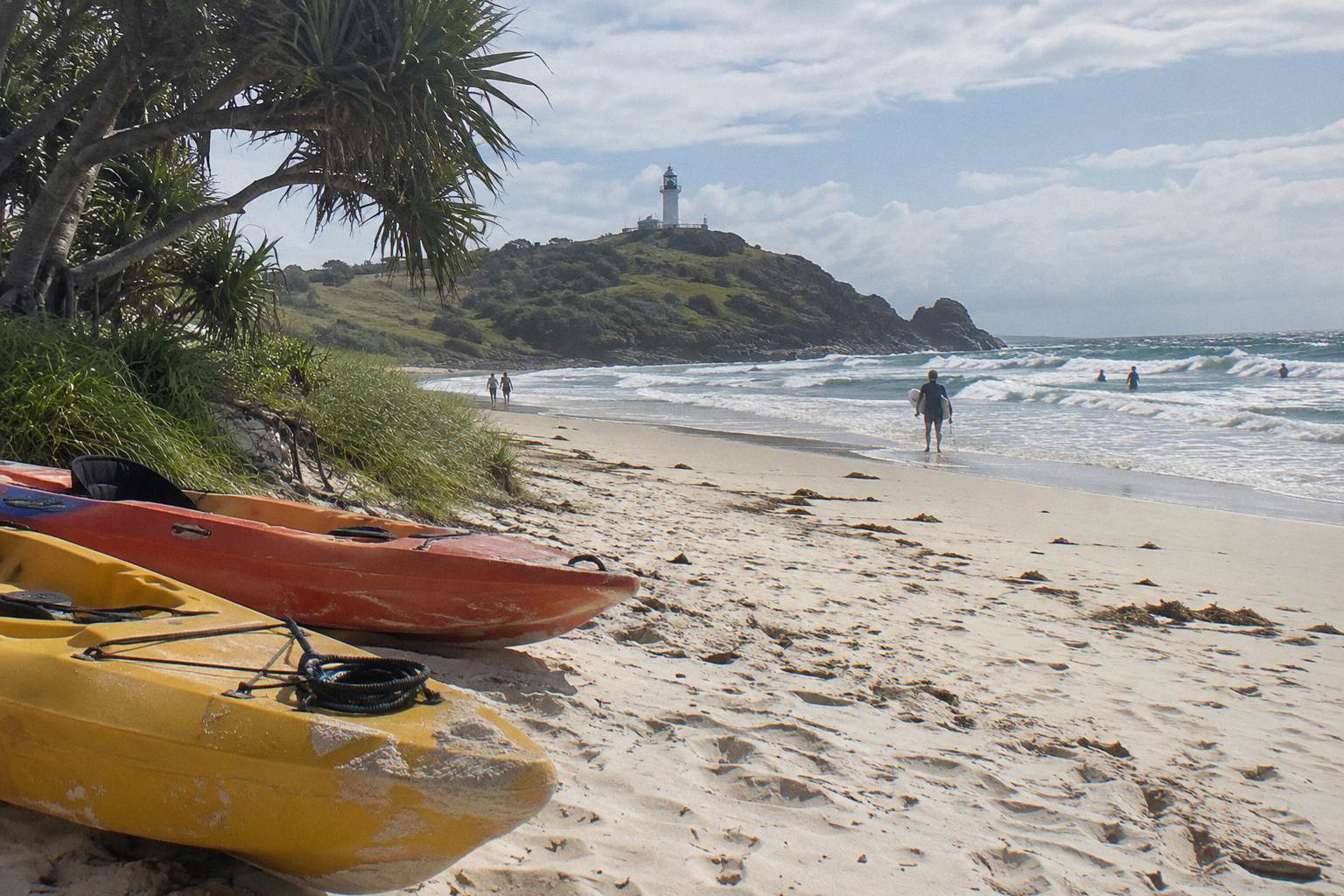
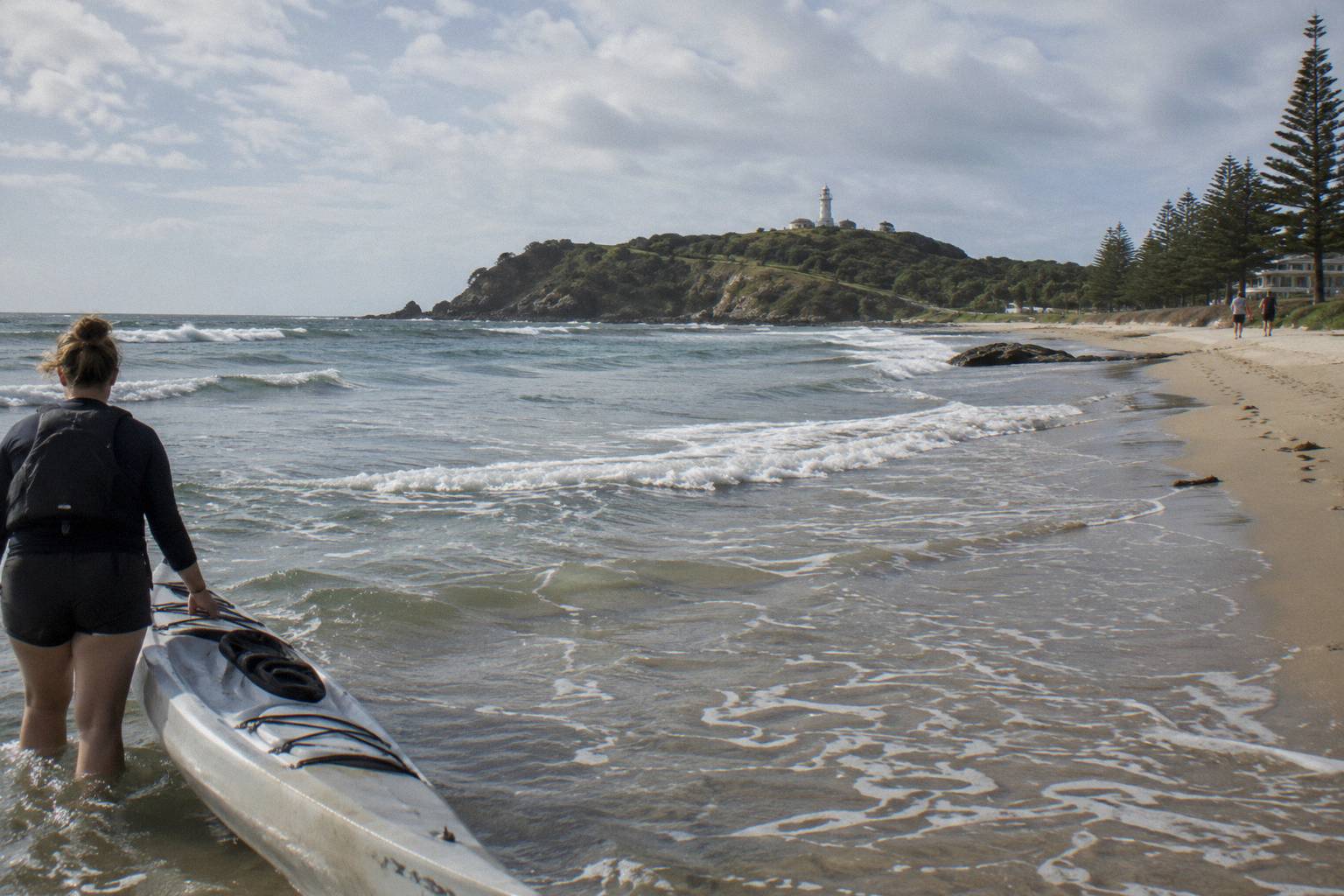
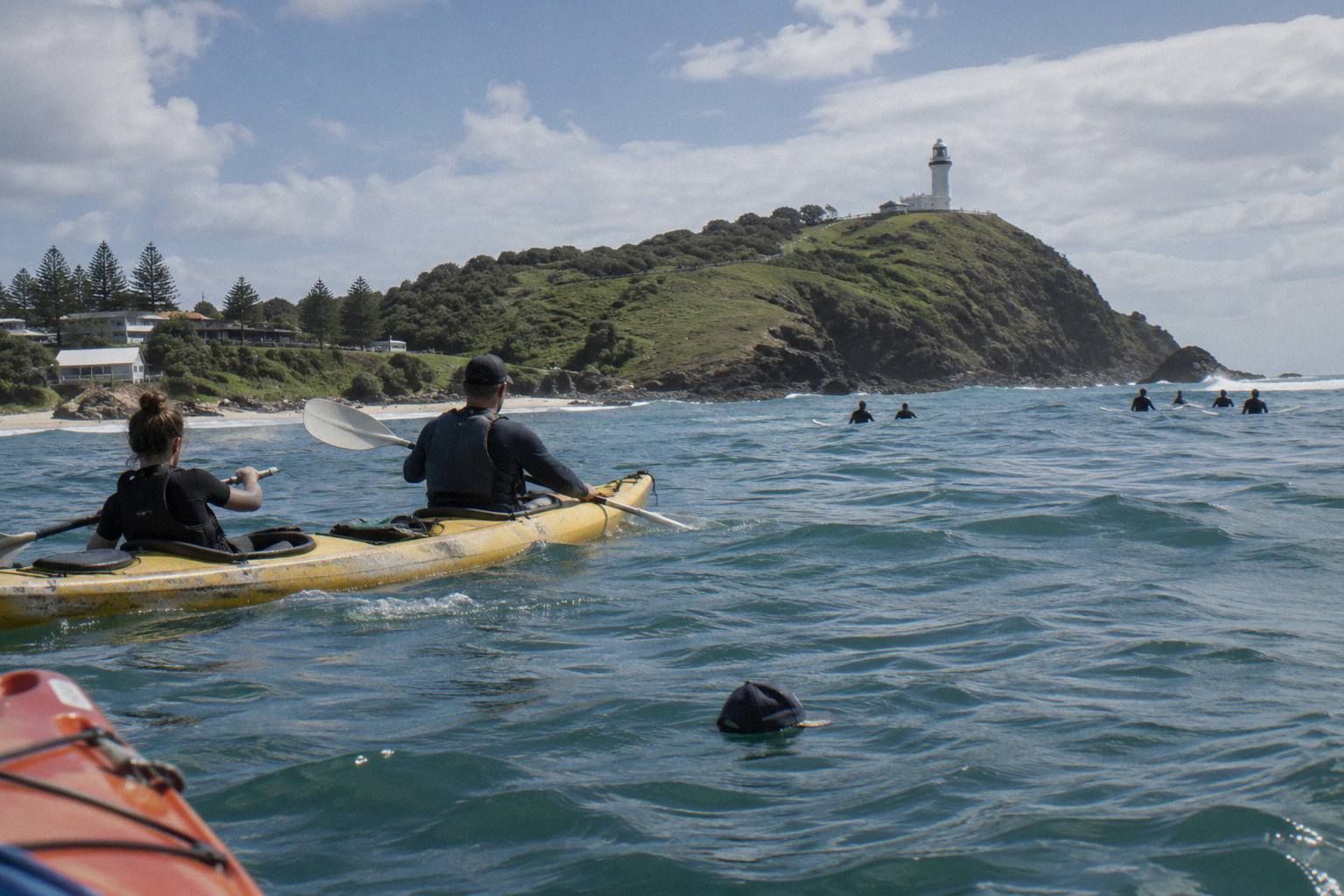
Both ocean tours are guided group paddles in sit-on-top double kayaks, with no rental option: Cape Byron Kayaks states "all our kayaks are double sit on top kayaks", and Go Sea says it mostly uses doubles. Both operators describe their guides as surf lifesavers, and Go Sea is owned by a member of the Byron Bay Surf Life Saving Club, per its own site. A guided, licensed, double-kayak format is the standard shape of a dolphin paddle here, and a tour anywhere in Australia that cannot show the equivalent basics is worth questioning before you book.
One more distinction travels well. A dolphin kayak tour is not a swim-with-dolphins trip, in Byron Bay or anywhere in NSW. Cape Byron Kayaks says it plainly on its FAQ: there are "strict rules about approaching wild animals in NSW", and paddlers observe the dolphins from the kayaks. If a trip anywhere markets entering the water with wild dolphins, that is a different product with different legal standing, and the question is it possible to swim with dolphins in Byron Bay covers why the two should never be confused.
How Do You Judge A Dolphin Kayak Tour Before You Book?
Judge any dolphin kayak tour on five published things: the exact sighting words the operator uses, the guarantee if nothing appears, the guide credentials, the kayak type and group format, and the cancellation terms. Every one of these is printable and checkable before you pay, and the Byron Bay operators publish all five. A tour that answers none of them in writing is a tour you are booking on hope.
The single most telling item is the sighting claim, because honest operators hedge and vague operators promise. Cape Byron Kayaks writes "We see dolphins on over 90% of our kayak tours" on its home page and, on its FAQ, "a pod of around 300 resident dolphins, and we see them on approx. 90% of the tours", then answers its own question "Do you always see dolphins?" with "No". Go Sea writes "On most tours we spot dolphins and from June to November, we often spot whales". Both are confident but not absolute, which matches how wild animals behave. If you want the deeper dive into those numbers, see whether you will see dolphins on a Byron Bay kayak tour.
The guarantee is the second filter. Both Byron Bay operators publish one: Go Sea's Go Sea Guarantee reads "if you don't see a Dolphin, Turtle or Whale you can paddle with us again for Free", and Cape Byron Kayaks offers a free return tour, non-expiring and non-transferable, if no dolphins or whales are seen. Neither is a refund. A guarantee of a second paddle rather than money back tells you the operator stands behind the wildlife without pretending to control it, and the page on what happens if no dolphins appear unpacks the mechanics.
| Judge this | Go Sea Kayak Byron Bay | Cape Byron Kayaks |
|---|---|---|
| Sighting words | "On most tours we spot dolphins" | "Over 90% of our kayak tours"; "Do you always see dolphins? No" |
| Guarantee | Free return paddle if no dolphin, turtle or whale | Free return tour, non-expiring, non-transferable |
| Duration | About 2.5 hours (booking page); about 2 hours on the operator site | About 2.5 hours from check-in |
| Price | From AUD 59 per person | Not stated; ask the operator |
| Rating | 4.6 on the booking page | 4.4 across 402 reviews |
| Kayaks | Mostly doubles, guided | All double sit-on-tops, guided |
| Check-in | Shed 1, opposite 58 Lawson St, 20 min early | Shed 2, opposite 60/62 Lawson St, 15 min early |
The remaining filters are quick. Guide credentials: both describe surf lifesaver guides. Format: doubles only, no hire, which both operators tie to the coastline itself. Cancellation: Go Sea's terms give a full refund more than 24 hours ahead and nothing inside 24 hours; Cape Byron Kayaks' booking page gives a full refund at least 24 hours before start and a different date or full refund if the operator cancels for weather. A tour anywhere that will not state its cancellation window in writing deserves the same question you would ask here.
Among the options, the Go Sea Kayak dolphin and turtle tour is the one with a printed from-price, from AUD 59 per person, changing by date. Check availability if that price band suits, and note the 24-hour cancellation window on the booking page.
What Do The Byron Bay Operators Actually Promise?
Neither Byron Bay operator promises a dolphin, and both say so in their own words alongside their headline numbers. Cape Byron Kayaks pairs its "over 90%" claim with a flat "No" to always seeing dolphins, and Go Sea says "on most tours". What each promises instead is a free return paddle if the wildlife is missed, plus whales in season on Cape Byron Kayaks' wording. Reading the promise, not the headline, is the whole skill.
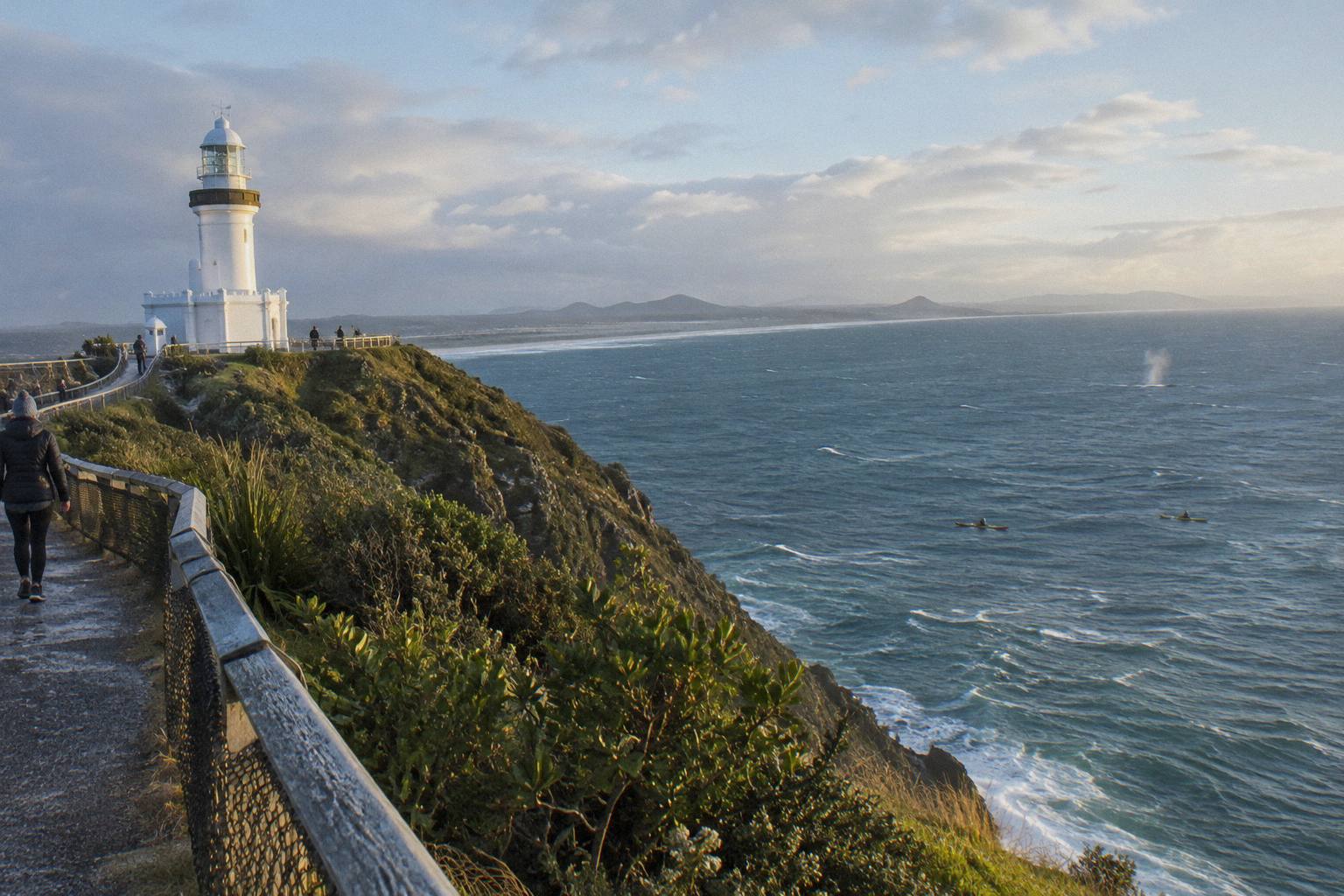
The whale seasons are a good example of why attributed wording matters, because the operators differ. Cape Byron Kayaks says whale season is May to November on one page and June to November on another; Go Sea says early June to late October on its whale page and June to November in its FAQ. No single merged season is true for both, so treat the months as operator-stated and check the booking page for the date you want. The local Byron Bay whale watching season guide holds the full breakdown.
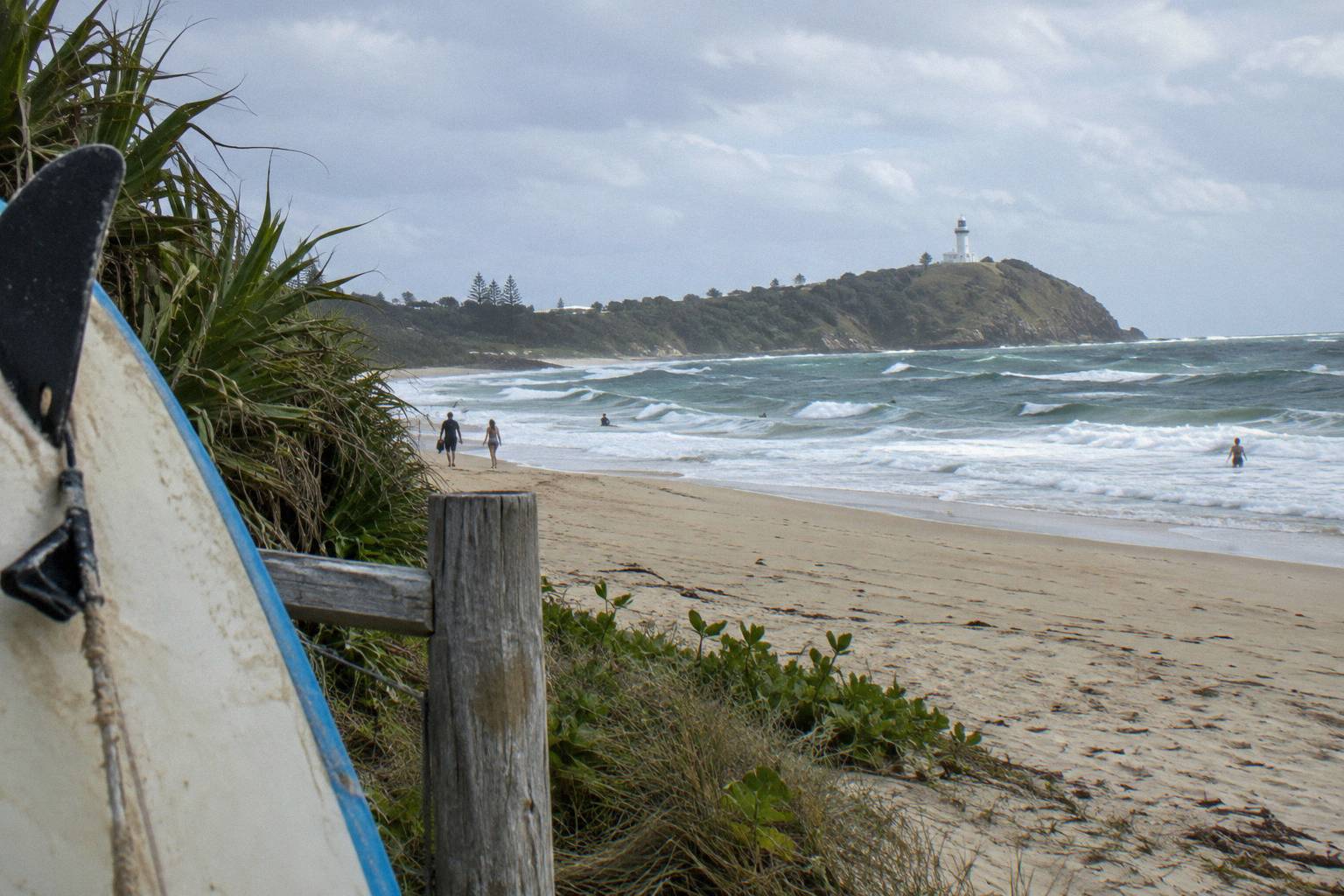
Wildlife beyond dolphins is named by NPWS, which lists "playful dolphins, sea turtles, and, during migration season, majestic humpback whales" as what the Go Sea paddle can pass. Go Sea's own booking page title names dolphins and turtles. Turtles are therefore part of the product's stated wildlife, and the page on turtles on a Byron Bay kayak tour covers that angle. No dolphin or turtle species is named in any of the sources, and no sighting rate beyond the operators' own percentages should be believed from any third party.
Weather language is part of the promise too. Go Sea cancels for unsafe wind or large swell and runs in the rain; Cape Byron Kayaks says rain does not stop tours, with operator wording that dolphins are always wet. If Go Sea cancels for unsafe conditions, a direct booking gets a 100% refund under its terms; the Cape Byron Kayaks booking page offers a different date or a full refund when the operator cancels for weather. The swell and cancellation guide explains how that plays out across a week in Byron Bay.
Which Rules Apply When A Kayak Meets Dolphins?
NSW law treats a kayak as a vessel, so per NSW Environment and Heritage you may not paddle closer than 50 m to a dolphin, and inside the 150 m caution zone you must approach from the side at least 30 degrees off its direction of travel, hold constant slow speed with negligible wake, avoid approaching from behind or waiting ahead, keep it to no more than three vessels in the zone, and stay out if a calf is present.
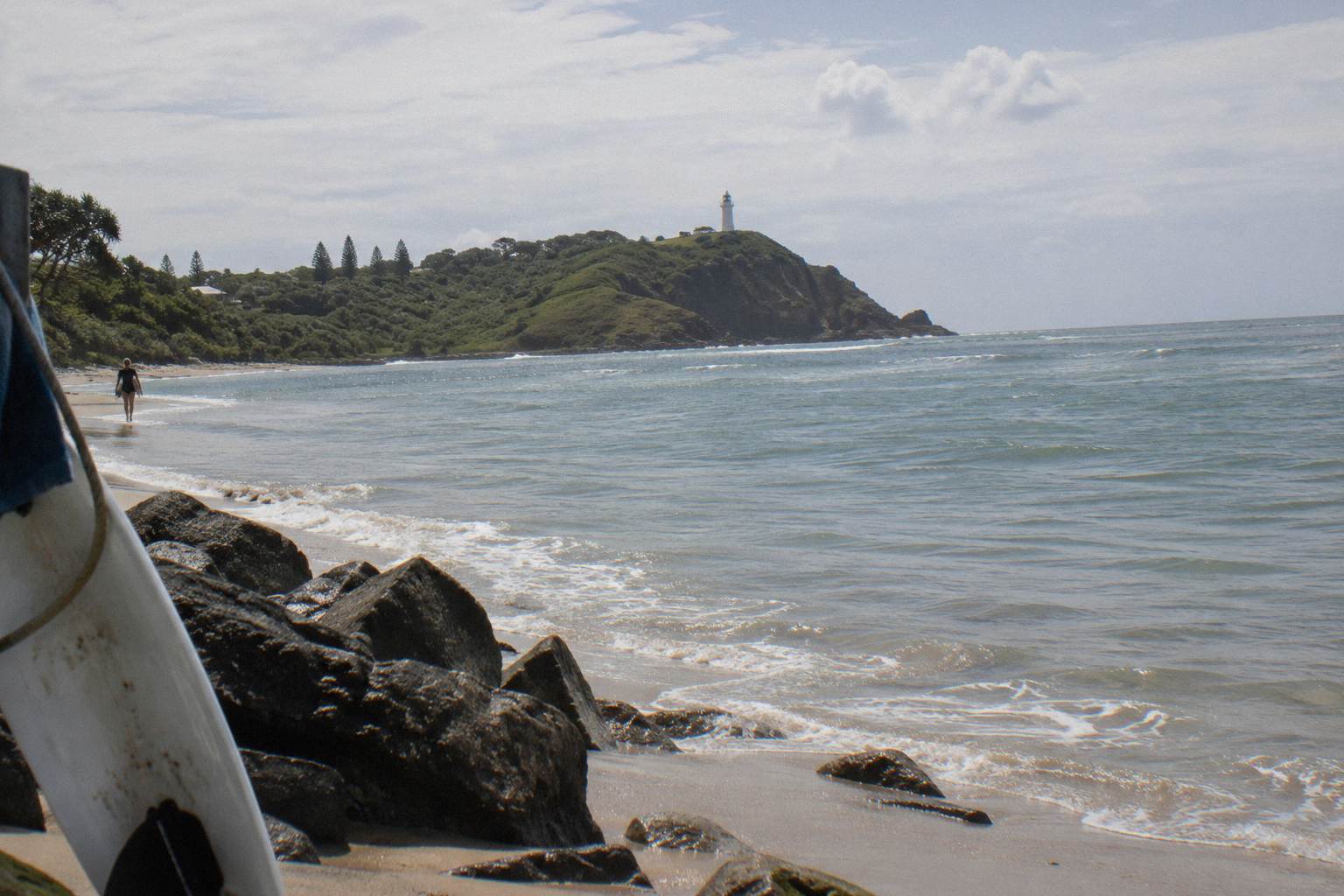
The full definitions sit on the NSW Environment and Heritage approach distances page, which defines a vessel to include non-motorised boats, surfboards, surf skis and kayaks. Two extra rules matter to paddlers: if dolphins are bow-riding, keep course and speed rather than turning toward them, and if a mostly white whale, dolphin or dugong appears, stay 500 m away. Swimmers and snorkellers face their own limits, 50 m to a dolphin when entering and 30 m once in the water, which is the legal backbone of the no-swim-with-dolphins position. For the paddler's view of every distance, see how close kayaks can get to whales and dolphins.
| Situation | Required distance (NSW) |
|---|---|
| Vessel, including kayak, to a dolphin | No closer than 50 m |
| Vessel, including kayak, to a whale | No closer than 100 m |
| Caution zone, dolphin | 150 m |
| Caution zone, whale | 300 m |
| Vessels allowed inside a caution zone | 3 at once |
| Calf present | Do not enter the caution zone |
| Mostly white animal | 500 m |
| Swimmer to a dolphin once in the water | At least 30 m |
The marine park adds a zoning layer on top. Sanctuary zones in Cape Byron Marine Park are no-take, and activities that do not harm animals, plants or habitat are permitted within the zoning plan, per the DPIRD zoning pages. Fish feeding is prohibited in the marine park, and sanctuary zones ban fishing and collecting. Commercial operators need marine park permits, and the local kayak operators list their licences, including Cape Byron Conservation Area Trust, Byron Shire Council and NSW Maritime on Cape Byron Kayaks' own footer. The Cape Byron Marine Park kayak guide carries the detail a visitor paddling here needs.
A good guide earns their fee inside these rules. Holding a legal distance, reading the animals, and keeping a group of doubles coordinated at slow speed is the actual craft of a dolphin paddle, which is why both Byron Bay operators run guided-only tours and why Go Sea says the coastline is not suitable for rental kayaks. Anywhere in Australia, an unlicensed or unguided "dolphin tour" that invites you to close the gap yourself is inviting you to break the law of whatever state you are in.
Who Can Paddle: Ages, Swimming And Fitness?
Both Byron Bay ocean tours take paddlers from age five with an adult, but their swimming rules split sharply: Go Sea accepts non-swimmers in life jackets with prior notice and advises against kayaking after 15 weeks of pregnancy, while Cape Byron Kayaks bars non-swimmers entirely, requires paddlers 16 and over to swim 25 m unassisted, and pairs every under-16 with an adult one-to-one.
Those are operator statements, not interchangeable house rules, and the differences are real. Go Sea's FAQ says "we often have non-swimmers", asks that you tell the guide, and puts life jackets on everyone; its own home page recommends the Brunswick River tour for non-swimmers, moving the question from the open ocean to flat water. Cape Byron Kayaks is firmer: it is an open-ocean tour where "you must be confident in the open water", and a non-swimmer who arrives is escorted back with no refund. The blog post can non-swimmers do a Byron Bay kayak tour works through the choice in full.
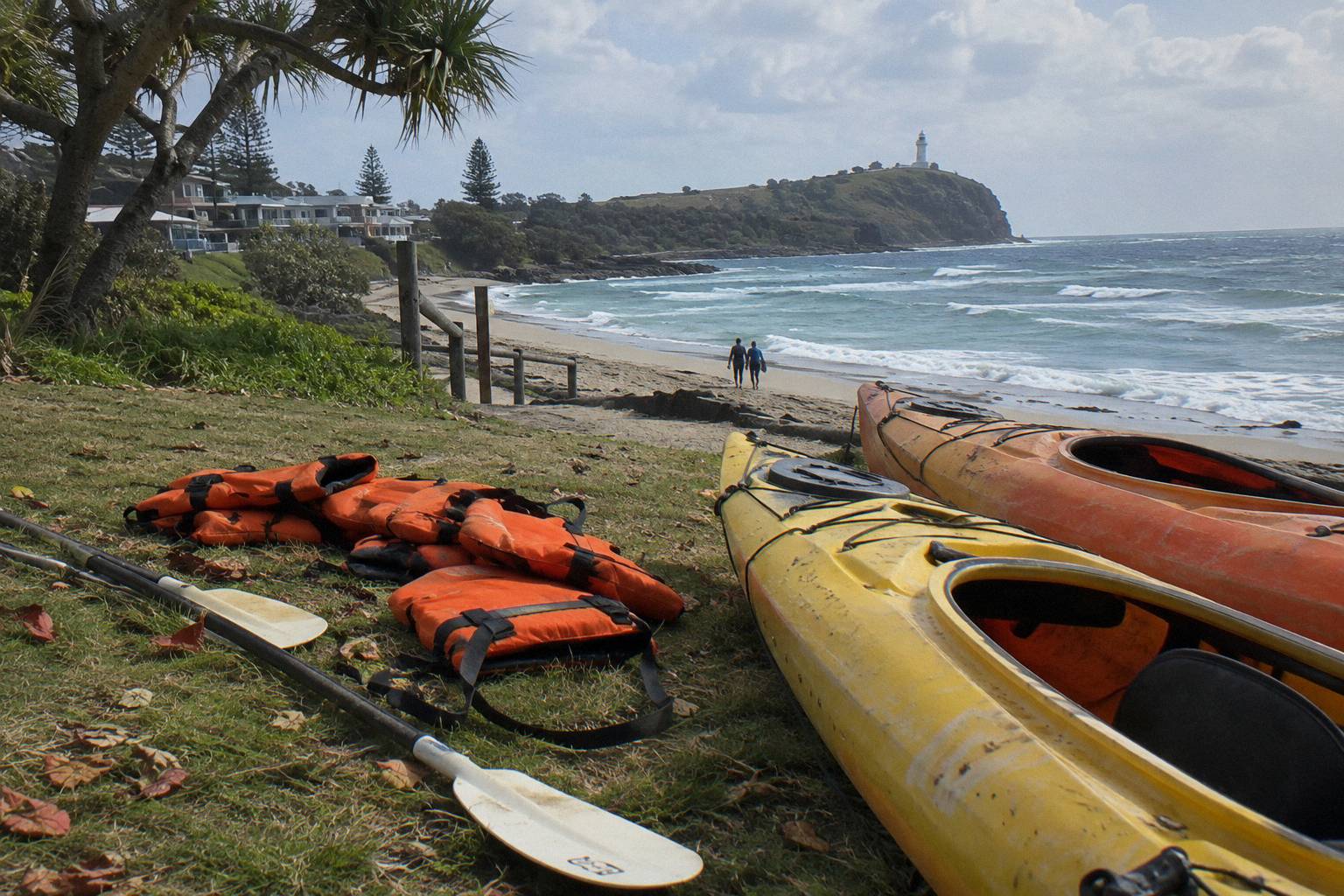
| Requirement | Go Sea ocean tour | Cape Byron Kayaks ocean tour | Brunswick River tours | Whale watching boat |
|---|---|---|---|---|
| Minimum age | 5, children with an adult | 5; under 16 need 1 adult per child | 3 | Not recommended under 5 |
| Non-swimmers | Accepted, life jacket, tell the guide | Not accepted | Life jackets included | No swim requirement |
| Fitness wording | NPWS: not recommended with chronic back injury or pregnancy | Reasonable fitness; listed conditions at own risk | Not stated | Not recommended for back problems or pregnancy |
| Duration | About 2.5 hours | About 2.5 hours | About 2 hours | About 2.5 hours |
Fitness and health wording also differs and should be quoted rather than paraphrased. Cape Byron Kayaks asks for a reasonable level of fitness and lists back, neck, shoulder, hip and heart conditions and pregnancy as participate-at-your-own-risk; its booking page adds not recommended with back problems. NPWS grades the Go Sea paddle Medium and says it is not recommended for people with chronic back injury or pregnant women. No upper age limit is stated by anyone. The practical advice is the same for any ocean paddle in Australia: check with your doctor if anything on those lists applies to you, and tell the operator when you book so the guides can plan around it rather than discover it on the beach.
For families weighing the youngest paddler, the kayak tour with kids guide compares the age 3 river option against the age 5 ocean tours. The Brunswick River scenic and sunset tours are the flat-water fallback, and Go Sea itself points non-swimmers and nervous paddlers there. That tiered structure, ocean tour for confident paddlers, river tour for everyone else, is a pattern worth looking for wherever you paddle in Australia.
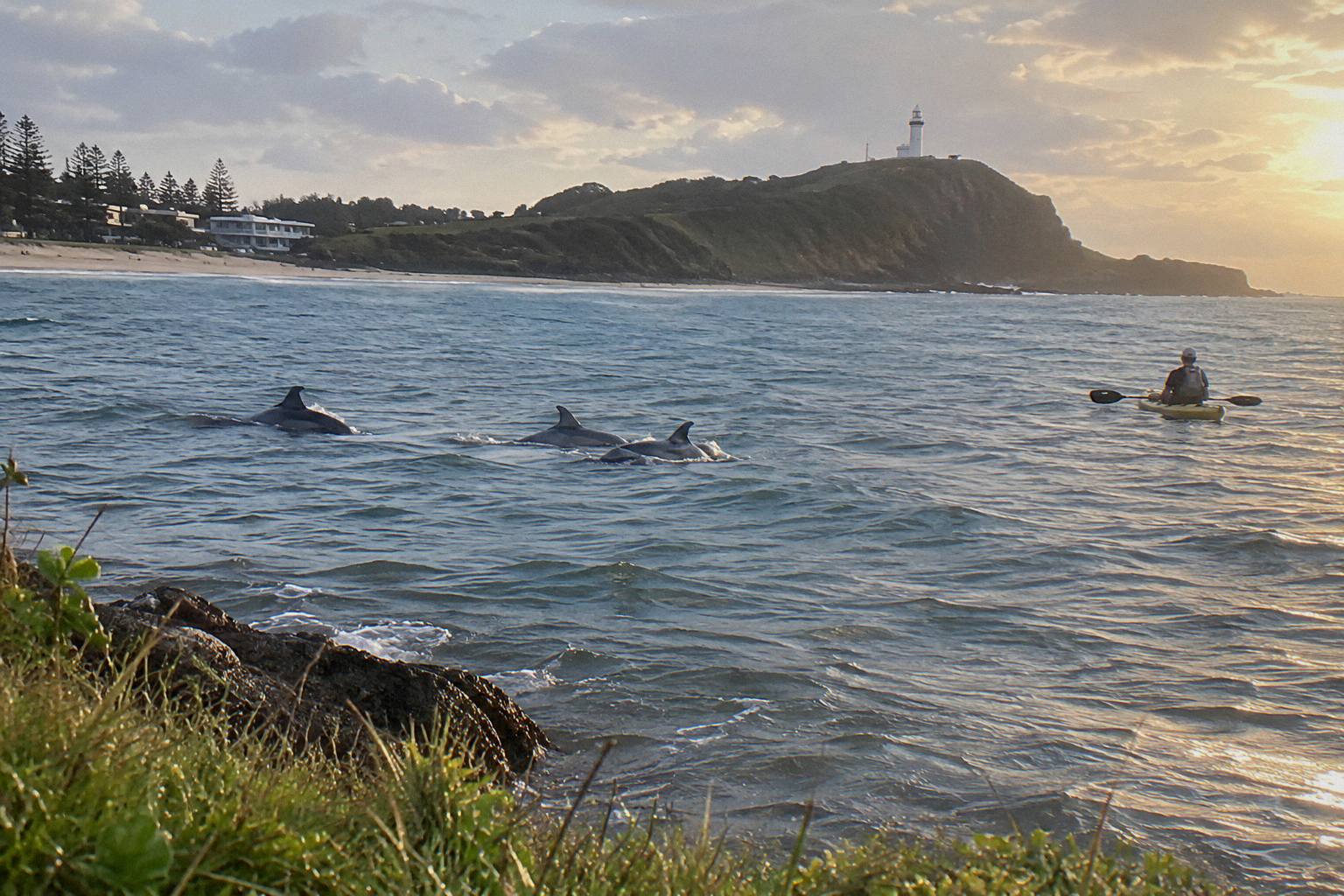
What Happens If The Dolphins Do Not Show?
Both Byron Bay operators answer the no-show question the same way: a free return tour, not a refund. Cape Byron Kayaks' return tour is non-expiring and non-transferable, rebooked by phone with a card hold, and it triggers when no dolphins or whales appear. Go Sea's guarantee reads "if you don't see a Dolphin, Turtle or Whale you can paddle with us again for Free". Neither operator promises money back for a quiet ocean.
The terms around those guarantees are worth reading before you book, because the return paddle sits inside normal cancellation windows. Cape Byron Kayaks' booking page gives a full refund if you cancel at least 24 hours before start and nothing inside 24 hours, and its wildlife-guarantee return tours need that same 24-hour notice to move. Go Sea's terms give a 100 percent refund more than 24 hours ahead, nothing within 24 hours or for a no-show, and state that seasickness is not refundable and that opting out of a rain tour, which otherwise runs, is not refunded either. Minimum numbers apply on Go Sea tours.
Two practical conclusions follow. First, a return tour only has value if you will be back, or if you can plan a second day in the area, so schedule a spare morning if the dolphin paddle is the centrepiece of your trip. Second, the guarantee covers the animals, not the weather: a tour cancelled for unsafe swell is handled under cancellation terms, with Go Sea refunding direct bookings in full and Cape Byron Kayaks offering a new date or a full refund. Distinguish the two before you argue either.
The honest odds, attributed, are these: Cape Byron Kayaks says over 90 percent of its tours see dolphins and also says no, not always; Go Sea says most tours. Reviews on the operators' own sites include trips where no dolphins appeared in the water, which is exactly what both guarantees exist for. An operator anywhere who quotes a 100 percent sighting rate is either describing a fence-enclosed pool or not describing wild dolphins, and neither is the trip being sold on this coast.
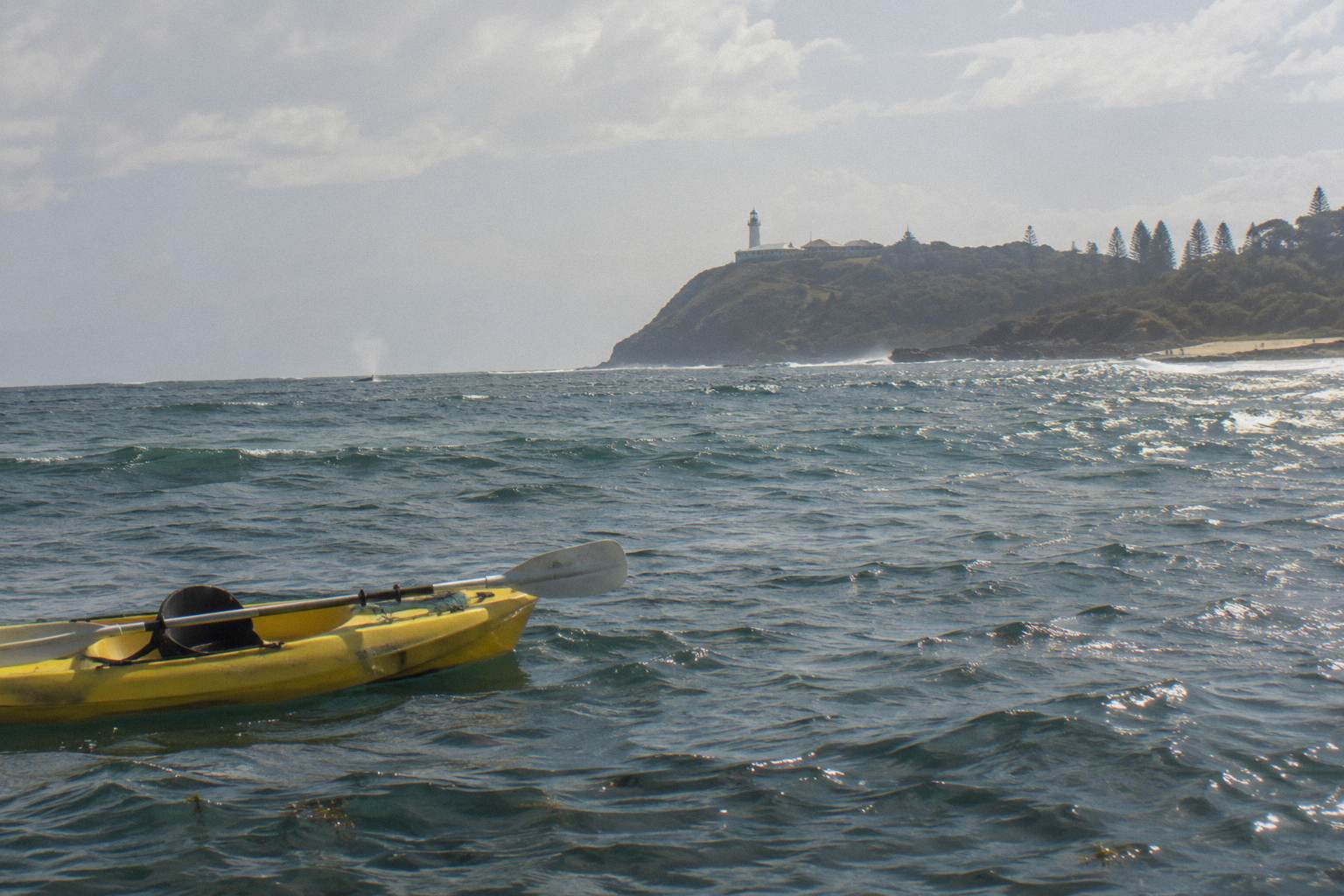
The Cape Byron Kayaks paddle, rated 4.4 across 402 reviews, is the longer-established of the two, with the company dating its tours to 1995 and its own wording about a resident pod of around 300 dolphins. Its price is not stated; ask the operator or check the booking page. If flat water suits your group better, the Go Sea Brunswick River scenic paddle takes paddlers from age 3 with no ocean swell involved.
Common Mistakes When Choosing A Dolphin Kayak Tour
The recurring mistakes are booking on a headline percentage instead of the guarantee terms, assuming every operator takes non-swimmers and young children, ignoring the cancellation window until the forecast turns, and expecting to swim with or touch the animals. Each one is avoidable in five minutes: read the operator's own FAQ, match the age and swim rules to your group, diarise the 24-hour cutoff, and accept that NSW rules keep you in the kayak.
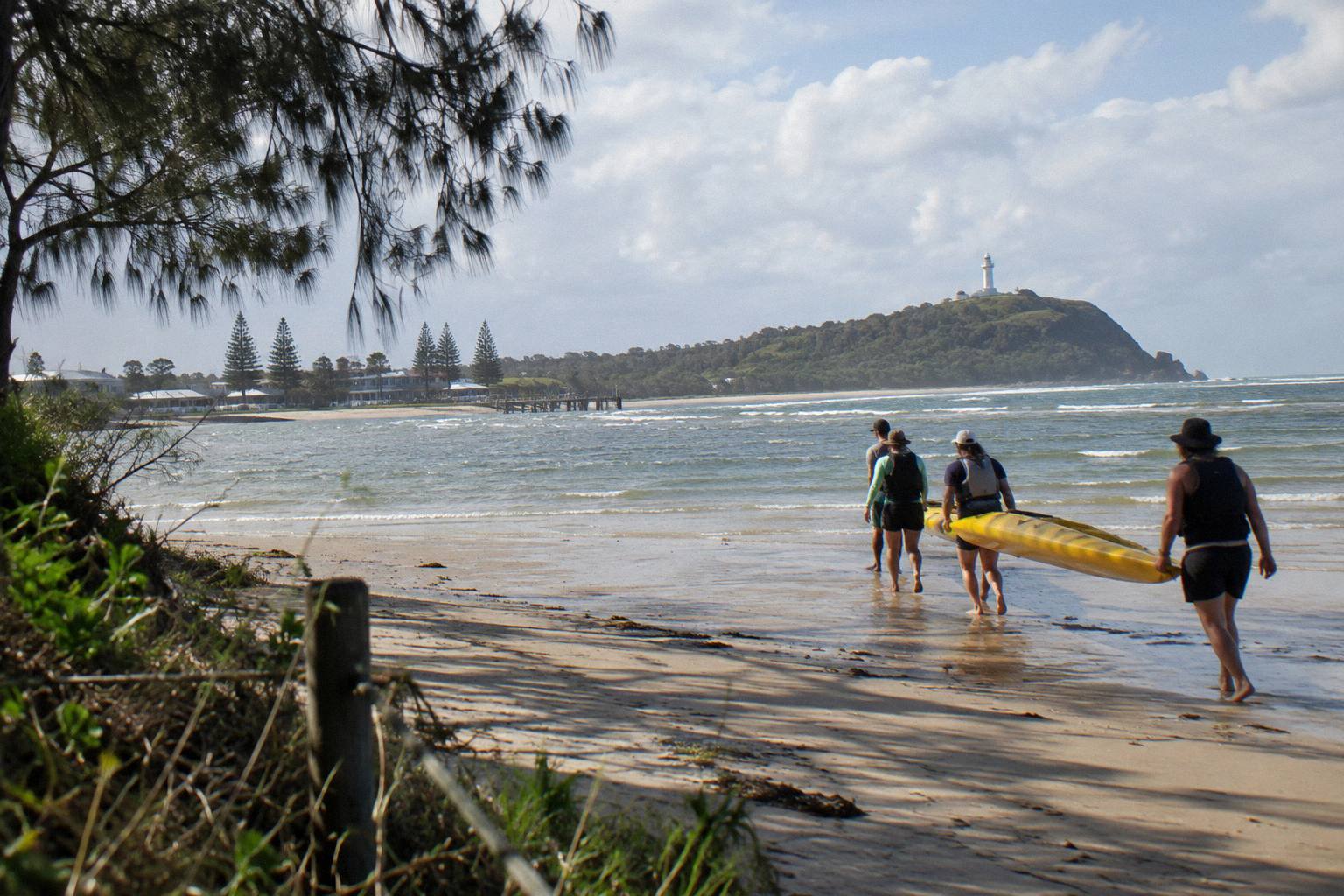
The first mistake costs money when the ocean is quiet. A reader who books purely on "90% of tours" and then meets the 10 percent day has a free return tour, not a refund, and only if the cancellation terms were met. The second costs a seat: a non-swimmer booked onto Cape Byron Kayaks is escorted back without a refund, while the same person is welcome at Go Sea with a life jacket, so the swim rule is a booking decision, not fine print. The third bites in changeable weather, since both operators run in rain and cancel only for unsafe conditions, and inside 24 hours your money is committed. The fourth is a legal one: swimming with wild dolphins is not part of any tour here, per the Cape Byron Kayaks FAQ and the NSW approach rules.
Questions worth asking any booking desk, here or elsewhere: what exactly happens if no dolphins are seen; what is the minimum age and the swim requirement; what is the cancellation cutoff; what does the operator cancel for; and what is supplied, since Cape Byron Kayaks provides lifejackets, helmets, wetsuits if required and secure storage while Go Sea's FAQ lists what to bring and offers wetsuits in cooler months. A desk that answers all five in one sentence each is a desk you can book with confidence.
Which Trips Fit Which Traveller?
Confident swimmers aged 5 and up fit either ocean tour; non-swimmers, flat-water paddlers, and families with under-5s fit the Brunswick River tours; whale watchers who want to stay dry fit the Ballina boat; and the stand up paddle nature tour suits travellers comfortable around water who want a slower, wildlife-focused float. Match the traveller to the trip before choosing between the two ocean operators, because the ocean and river products differ more than the rivals do.
Worked through by type: a solo confident paddler takes either ocean tour, paired into a double with another guest or a guide. A family with a 3-year-old takes the river scenic tour, minimum age 3, meeting at the Brunswick Heads Scout Hall. A nervous or non-swimming adult takes Go Sea's ocean tour with notice, or the river tour, which Go Sea itself recommends for non-swimmers. A group wanting a sunset rather than a morning takes the river sunset tour, about 2 hours on flat water. A traveller whose priority is whales rather than paddling takes the boat from Lance Ferris Wharf in Ballina, about 30 minutes south of Byron Bay, June to November, no swim requirement, and the kayak versus boat comparison covers that trade directly.
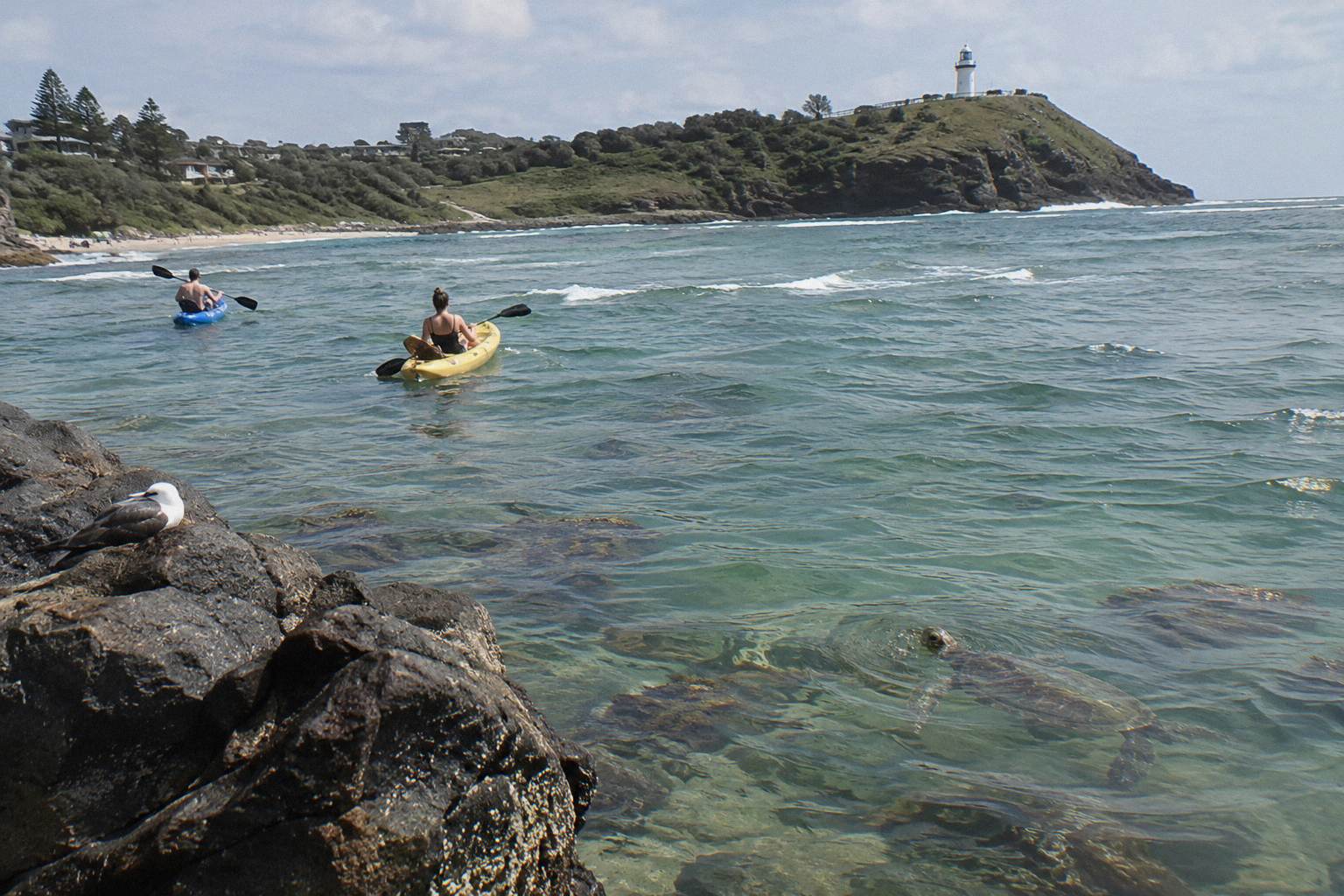
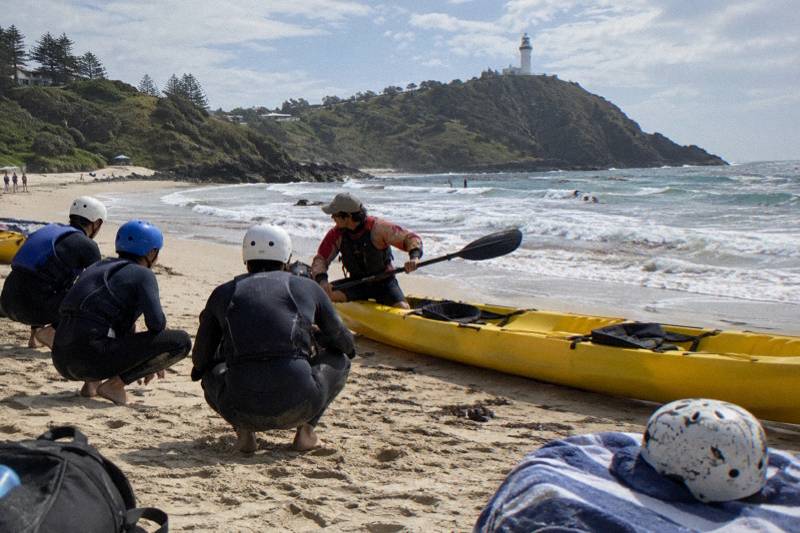
Older travellers and anyone with a bad back should read the operator wording closely, as covered above, and the dedicated piece on kayak tours for older travellers runs the decision. Beginners frequently ask whether experience is needed for a Byron Bay kayak tour, and the short version is that both ocean tours are guided, use stable sit-on-top doubles, and teach the wave-surfing return, with Cape Byron Kayaks building instruction into the trip itself.
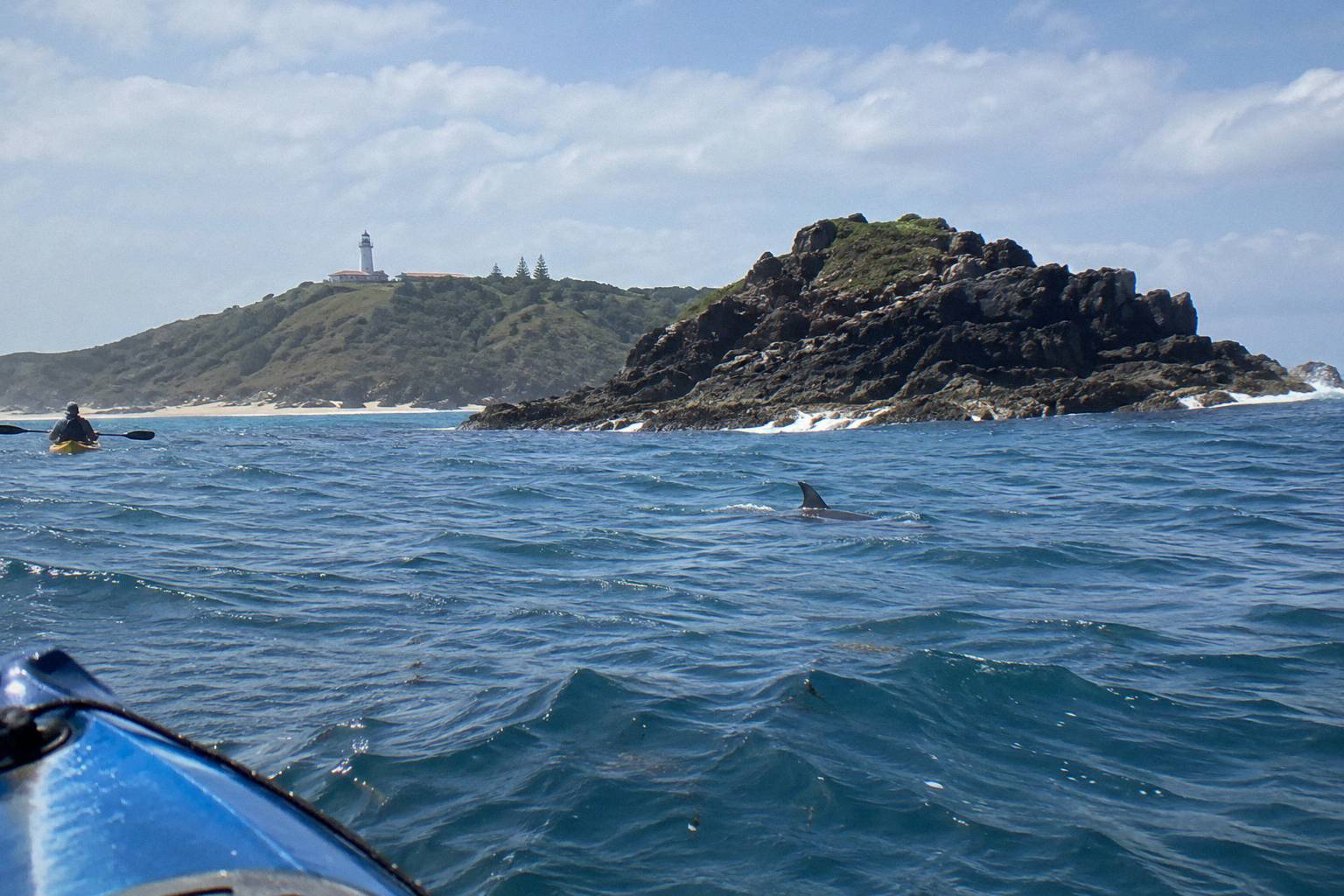
Byron Bay fits into an Australia-wide dolphin-kayaking plan as the destination with the most transparent paperwork: two licensed operators, published sighting language, published guarantees, and a state approach-distance law that keeps the encounter on the animals' terms. Wherever else the coast tempts you, run the same five checks, and hold every operator to the standard Byron Bay Dolphin Kayak sets with its own facts.
Common Questions About Dolphin Kayaking In Australia
Can You Kayak With Dolphins In Australia?
Yes, guided dolphin kayak tours run on the Australian coast, and Byron Bay has two licensed operators, Go Sea Kayak Byron Bay and Cape Byron Kayaks, both paddling inside Cape Byron Marine Park. NSW law treats the kayak as a vessel and caps the approach at 50 m from a dolphin.
Are Dolphins Guaranteed On A Kayak Tour?
No. Cape Byron Kayaks says dolphins appear on over 90% of its tours and answers "Do you always see dolphins?" with "No"; Go Sea says "on most tours". Both offer a free return tour, never a refund, if no dolphin, turtle or whale is seen.
Can You Swim With Dolphins On A Kayak Tour?
No tour here includes swimming with dolphins. Cape Byron Kayaks cites strict NSW rules about approaching wild animals and says paddlers observe dolphins from the kayaks; swimmers in NSW must keep at least 30 m from a dolphin once in the water.
How Close Can A Kayak Get To A Dolphin?
Per NSW Environment and Heritage, a vessel, which includes kayaks, may move no closer than 50 m to a dolphin, with a 150 m caution zone, and must not approach from behind or wait in front of the animal.
What Happens If No Dolphins Appear?
Cape Byron Kayaks gives a free return tour, non-expiring and non-transferable, rebooked by phone with a card hold. Go Sea's guarantee lets you paddle again for free if you see no dolphin, turtle or whale. Neither refunds the original trip.
Do You Need Experience To Paddle With Dolphins?
No prior kayaking experience is required on either Byron Bay ocean tour: both are fully guided, use sit-on-top double kayaks, and include instruction for the surf return, with Cape Byron Kayaks building wave-surfing instruction into the tour itself.