Byron Bay Whale Watching Season: Month By Month From May To November
Every operator in Byron Bay states its own whale season months, and they do not all agree. The season runs somewhere between May and November depending on who you ask, the kayak tours and the boat trip work differently, and the rules on how close anyone may get are strict. The month-by-month picture, operator by operator, is below.
Short answer
Byron Bay whale watching falls between May and November, but each operator states its own window: Cape Byron Kayaks says May to November, Go Sea says early June to late October on its whale page and June to November on its FAQ, and the whale watching boat tour lists June to November and departs from Ballina. No tour guarantees a whale sighting; both kayak operators offer a free return tour, never a refund, if the wildlife promise is not met.
| Quick fact | The detail | Source |
|---|---|---|
| Whale season, Cape Byron Kayaks | May to November (also "June - November ... Humpbacks and Southern Rights" on another page) | Operator wording |
| Whale season, Go Sea | Early June through late October (whale page); June to November (FAQ) | Operator wording |
| Whale season, boat tour | June to November | Booking page |
| Boat tour departure | Lance Ferris Wharf, Ballina, about 30 minutes south of Byron Bay | Booking page |
| Dolphins | Year-round per both kayak operators; Cape Byron Kayaks cites a resident pod of around 300 | Operator wording |
| Guarantee if no wildlife | Free return tour, never a refund, on both ocean kayak tours | Operator wording |
| Kayak trip length | About 2.5 hours per the booking pages; Go Sea's own site says about 2 hours | Booking page and operator |
| Boat trip length | About 2.5 hours, maximum 20 travellers, marine biologist guide | Booking page |
When Is Whale Season In Byron Bay?
Whale season in Byron Bay runs from May to November at the widest operator claim, while the narrowest operators say June to November, which means any month from June to early November falls safely inside every stated window. If you want to be certain of catching whales regardless of which operator you ask, plan your visit between June and early November. Cape Byron Kayaks gives the longest season, May to November. Go Sea gives early June through late October on its whale page and June to November on its FAQ. The whale watching boat tour lists June to November. No source states peak weeks, calf timing or migration direction, so treat the operators' own months as the full picture and ask the booking desk about recent sightings when you call.
The disagreement is not a contradiction so much as a difference of emphasis. A kayak operator stating a longer season is describing the months in which a whale could plausibly pass the cape while paddlers are out; a boat operator stating June to November is describing the months it schedules dedicated whale trips. Neither wording promises a sighting on a given day, and both kayak operators frame whales as an in-season bonus on a dolphin tour rather than the purpose of the paddle.
That framing matters for planning. If whales are the whole reason for the trip, the dedicated boat tour is the product built around them: about 2.5 hours, a marine biologist guide, and a departure from Lance Ferris Wharf in Ballina rather than Byron Bay itself. If whales are a hoped-for addition to a morning of paddling, the kayak tours cover dolphins year-round and name whales in their stated season, with a free return tour rather than a refund if the wildlife promise is not met.
The months outside every stated whale window still have plenty going on. Dolphins are described by both kayak operators as resident and year-round, Cape Byron Kayaks talks about a pod of around 300 resident dolphins, and turtles are named as local wildlife by the NSW National Parks and Wildlife Service page for the Go Sea tour. A February paddle holds no stated whale claim, but the dolphin and turtle side of the trip does not switch off.
What Each Operator Says About The Whale Months
Three businesses state whale seasons for Byron Bay trips and no two of them match exactly: Cape Byron Kayaks claims May to November, Go Sea claims early June to late October on its whale page and June to November on its FAQ, and the Ballina-based boat tour claims June to November. The months each source states are the only months any of them will talk about, and merging them into one tidy season would misstate all three. The table below gives each claim next to its owner so the differences stay visible when you plan dates.
| Trip | Operator's stated whale season | Where it departs | Trip length per source |
|---|---|---|---|
| Guided Dolphin Kayak, Cape Byron Kayaks | "Whale season is May - November"; another page says June to November, humpbacks and southern rights | Check in at Shed 2, opposite 60/62 Lawson St; operator says it leaves from Clarkes Beach | About 2.5 hours from check-in, per the operator |
| Go Sea Kayak, Dolphins And Turtles | Early June through late October (whale page); June to November (FAQ) | Opposite 58 Lawson St, Shed 1 | Booking pages say about 2.5 hours; Go Sea's own site says about 2 hours |
| Whale Watching, June To November (boat) | June to November | Lance Ferris Wharf, Fawcett Street, Ballina, about 30 minutes south of Byron Bay | About 2.5 hours, maximum 20 travellers |
Reading the claims side by side, the practical takeaways are few and solid. June and July sit inside every stated window, which makes them the safest months to book if a whale is the priority and you want every operator's season to be open. May is claimed by one kayak operator only, and November is claimed by everyone except Go Sea's whale page, which stops at late October. Anyone set on a specific operator should simply book inside that operator's own stated months rather than the overlap.
The guarantee attached to those months also belongs to each operator. Cape Byron Kayaks offers a free return tour, non-expiring and non-transferable, if no dolphin or in-season whale appears, and answers a flat no to whether dolphins are always seen. Go Sea's guarantee reads the same way: if you do not see a dolphin, turtle or whale you can paddle again for free. Neither is a refund, and both are the operator's own words rather than an independent assessment, so weigh them as a second chance rather than a certainty.
Both operators also adjust their start times across the year, and their stated reasons are their own. Cape Byron Kayaks says it starts earlier in summer to beat heat or north winds, and later in winter to miss south-west winds. Go Sea departs daily at 9:30am and 1:00pm per its home page, weather permitting, all year, with sunrise tours only in near-perfect conditions and with Cape Byron Marine Park approval. Exact departure times are therefore a booking-desk question in every case.
Deciding between a paddle and a boat deck comes down to what kind of day you want, and the three options below cover the boat trip and both ocean kayak tours.
Kayak Or Boat For Whales In Byron Bay?
The boat tour is the only trip dedicated to whales, running June to November from Ballina with a marine biologist guide and at most 20 travellers, while both kayak tours are dolphin trips that name whales in season and paddle from Byron Bay's Lawson Street sheds. The choice is less about which is better and more about which kind of encounter suits you: a powered vessel that goes looking for whales, or a slow paddle along the cape where whales are one of several things that might pass.
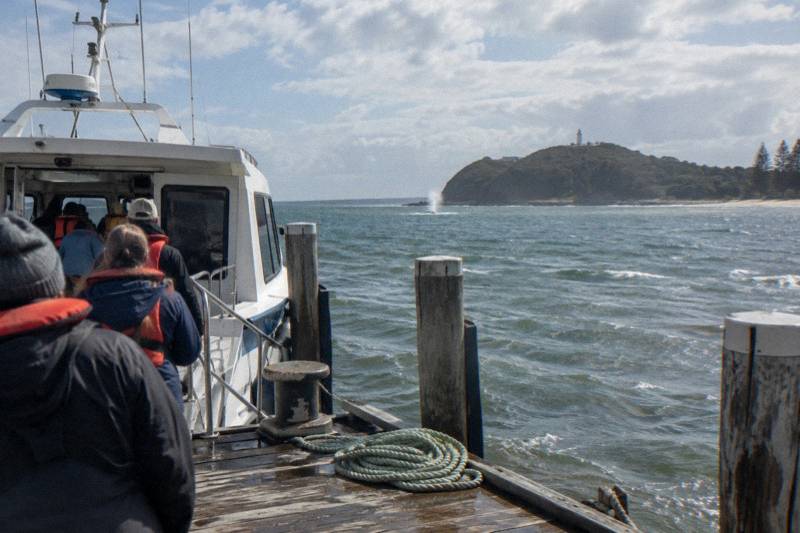
The boat option, Whale Watching, June To November, departs Lance Ferris Wharf on the Richmond River in Ballina, about 30 minutes south of Byron Bay by the booking page's own description, with arrivals asked 30 minutes early and no transfers from Byron Bay included. It runs about 2.5 hours, carries a maximum of 20 travellers, and is guided by a marine biologist. It states no minimum age, no price and no rating, so those are questions for the booking desk rather than assumptions.
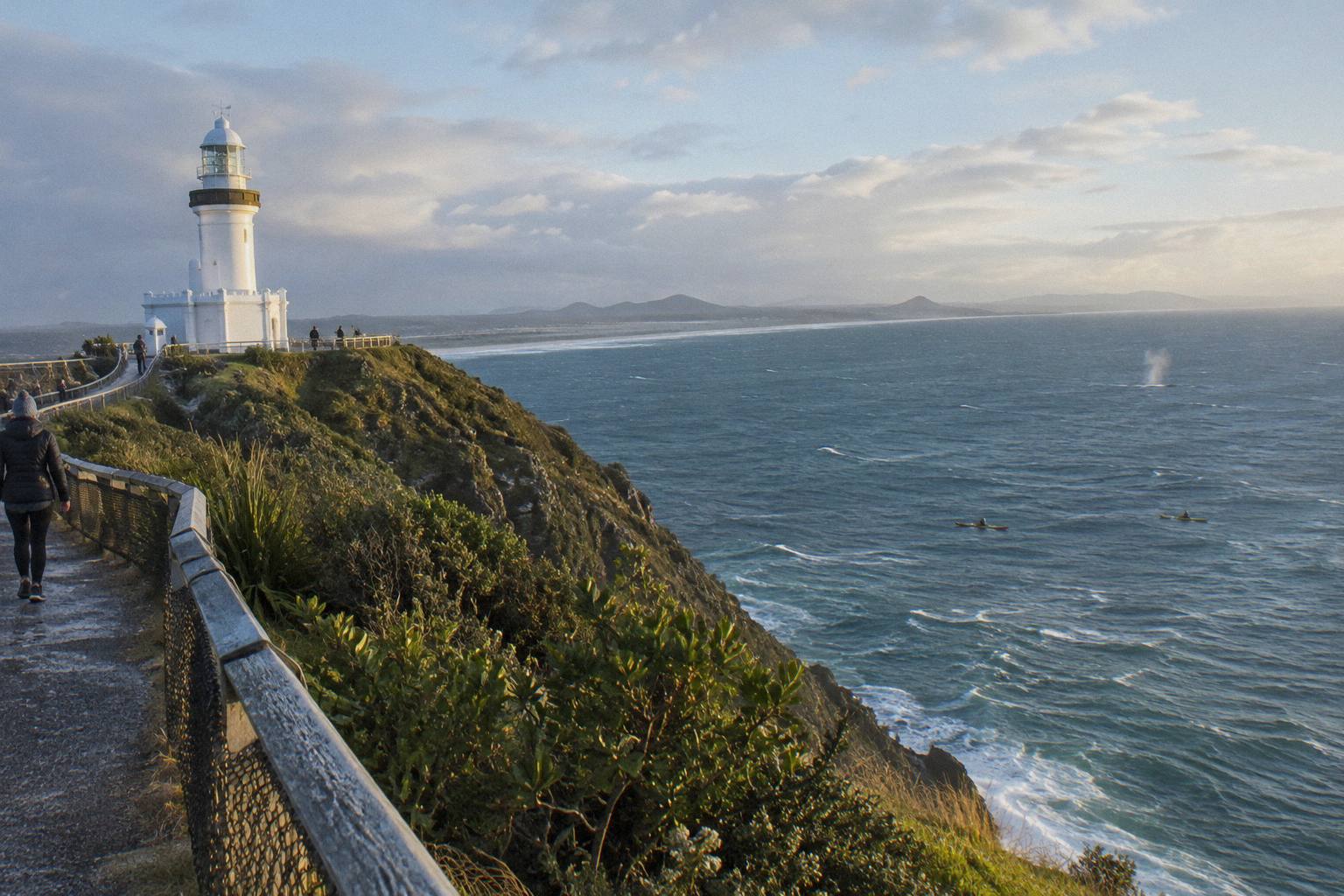
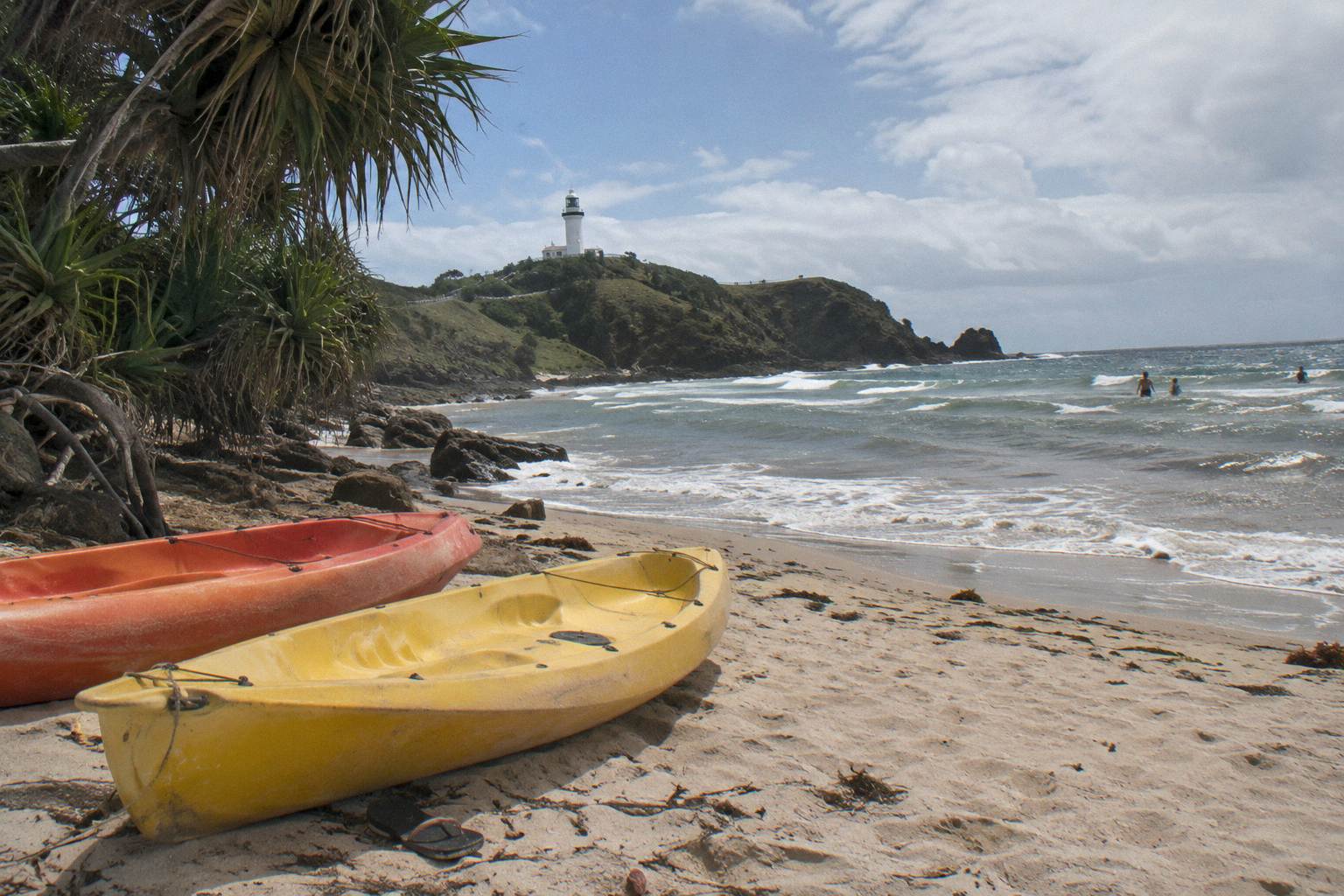
The kayak side works differently. Both ocean tours launch from the sheds on Lawson Street in Byron Bay, run in the rain, and are cancelled only for unsafe wind or large swell. Both use sit-on-top double kayaks, guided only, with no hire option; Go Sea says the coastline is not suitable for rental kayaks. Whales are part of the sales pitch only inside each operator's stated season, and dolphins remain the year-round anchor of the trip. The decision logic is straightforward: choose the boat for whales as the destination, and a kayak for the paddle itself with whales as a possible bonus.
Cost data is thin, and that is worth knowing before comparing. The Go Sea ocean tour is the only trip of the three with a from-price on its booking page, from AUD 59 per person, and that figure changes by date. Cape Byron Kayaks states no price; ask the operator. The boat tour states no price either. Anyone comparing on budget will need current quotes from each booking page rather than a published table.
The whale boat trip fits several traveller types well: anyone who cannot or prefers not to paddle, families wanting a rail to hold rather than a hull to balance, and visitors staying near Ballina. The kayak tours suit travellers who want the exercise and the coastline close up, are comfortable in the ocean, and accept that the wildlife outcome is the operator's word rather than a promise. Swimmers only on one side: Go Sea accepts non-swimmers with life jackets and a word to the guide, while Cape Byron Kayaks does not take non-swimmers and requires paddlers 16 and over to swim 25 m unassisted, per its FAQ.
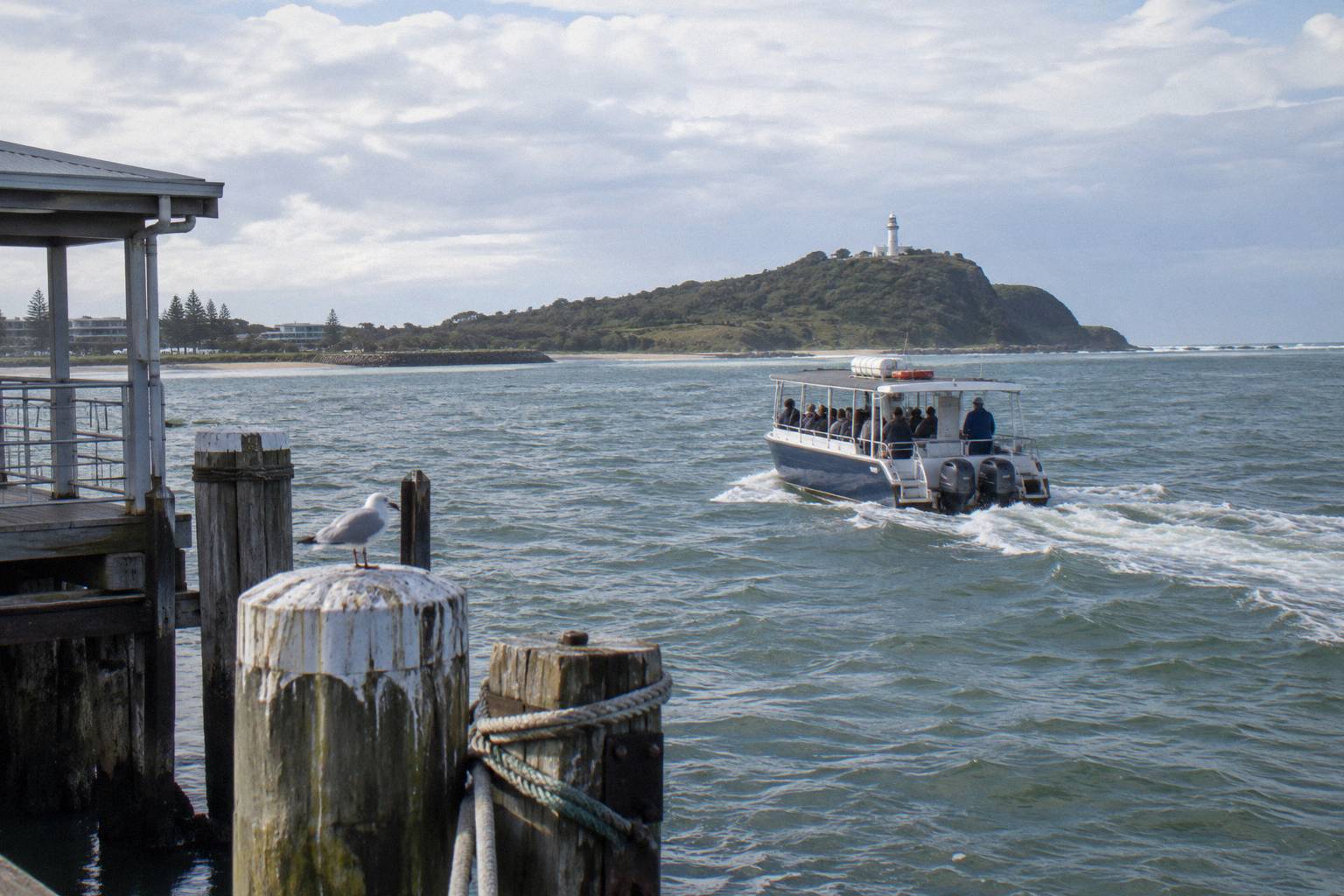
If a dedicated whale trip from the water is the goal, the Byron Bay whale watching boat tour covers the June to November season from Ballina, and you can check availability for your dates before planning the drive south.
How Close Can A Kayak Get To Whales And Dolphins?
NSW rules count a kayak as a vessel, so a paddler may go no closer than 100 m to a whale and 50 m to a dolphin, inside caution zones of 300 m and 150 m respectively, according to NSW Environment and Heritage. Inside a caution zone the rules continue: never approach from behind or wait in front of the animal, approach from the side at least 30 degrees to its direction of travel, keep a constant slow speed with negligible wake, and no more than three vessels may occupy the caution zone at once. A calf present means no entering the caution zone at all.
The full rule set covers behaviour, not just distance. A lookout must be posted if two or more people are on board, which on a double kayak is every trip. If dolphins bow-ride, the vessel keeps its course and speed. If a whale approaches, the vessel slows to minimal wash speed and avoids sudden movements. A mostly white whale, dolphin or dugong carries a 500 m distance. Drones must stay 100 m away. The official page, Approach distances for whales, dolphins and dugongs, states all of this, and its vessel definition explicitly includes non-motorised boats, surfboards, surf skis and kayaks.
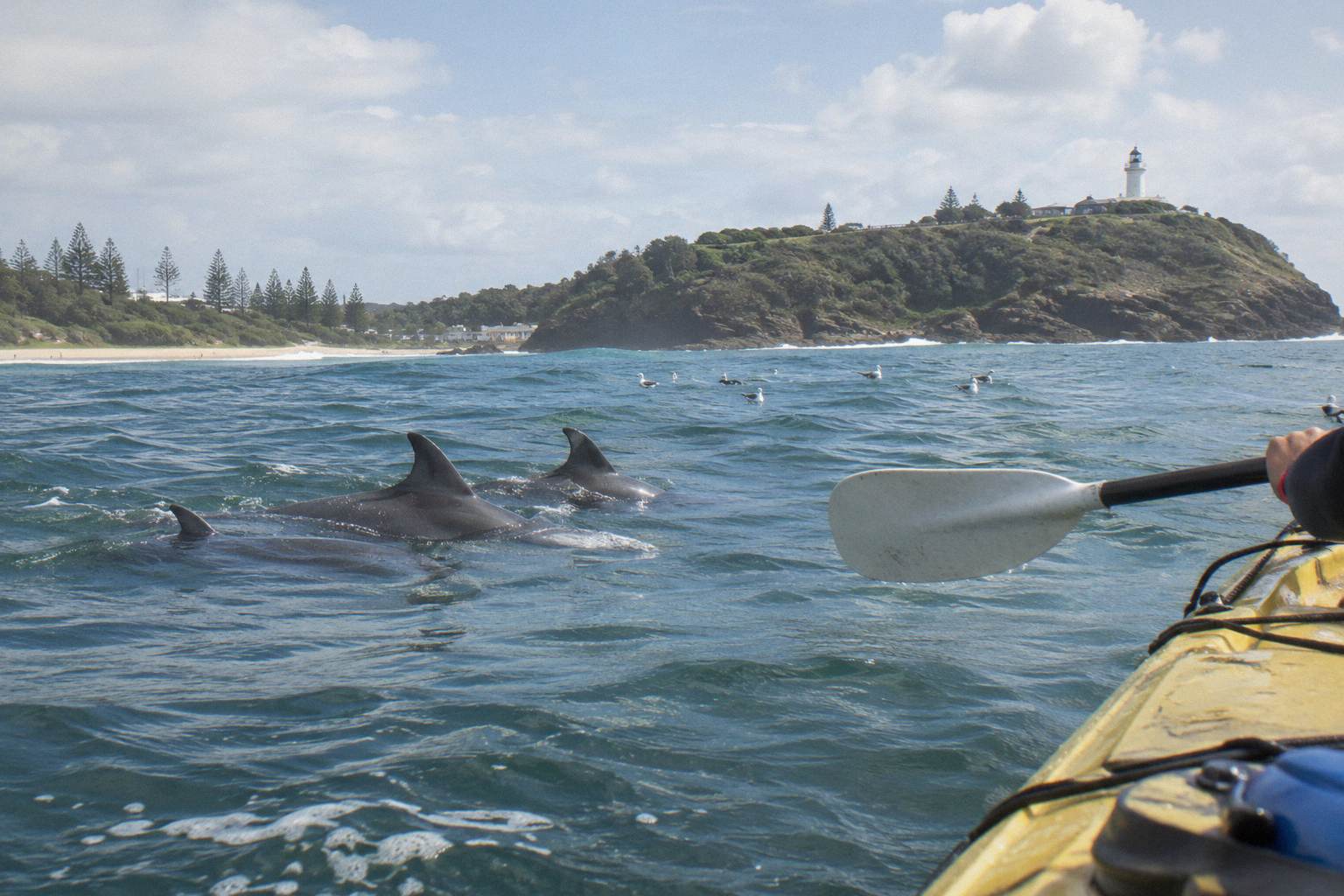
For swimmers the numbers differ from vessels. A person may enter the water no closer than 100 m to a whale and 50 m to a dolphin or dugong, and once in the water must keep at least 30 m from any whale, dolphin or dugong, calf included. None of that adds up to swimming with dolphins, and no tour here offers it. Cape Byron Kayaks says so directly on its FAQ, citing strict rules about approaching wild animals in NSW and explaining that its paddlers observe the dolphins from the kayaks.
Guided tours carry the advantage here, since a licensed guide holds the permit and the practice of managing the group inside those limits. The NSW National Parks page for the Cape Byron Kayaks tour describes the operator as a licensed commercial tour operator running from Clarkes Beach in Walgun Cape Byron State Conservation Area, and commercial operators in the marine park need a Marine Parks permit under the park's zoning rules. A paddler joining a tour is buying local knowledge of how those distances play out on the water. The fuller rule picture for paddlers is in the Cape Byron Marine Park kayak guide, and the approach-distance specifics for kayaks are covered in how close kayaks may get to whales and dolphins.
Do The Kayak Tours Run Outside Whale Season?
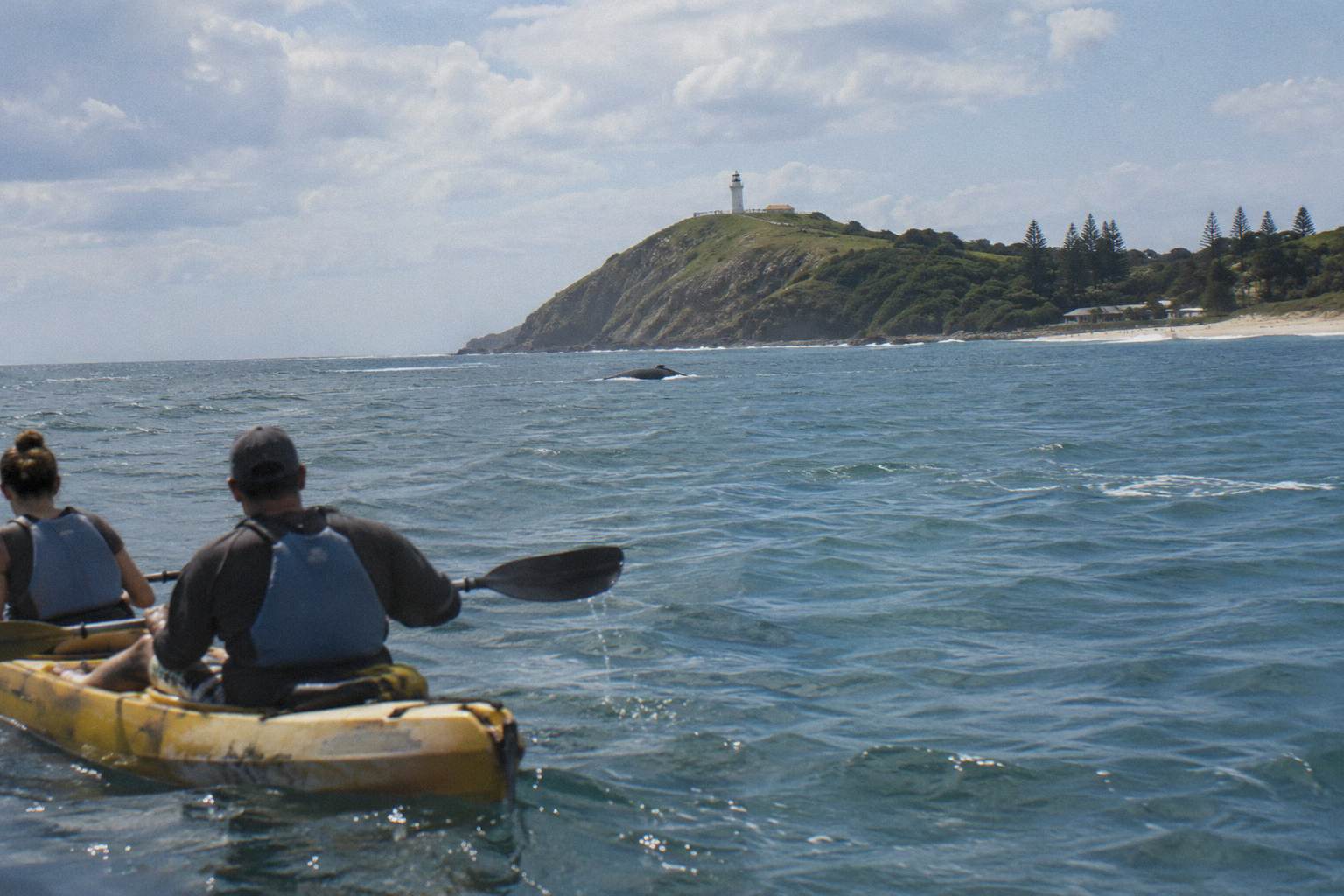
Yes: both kayak operators run all year, weather permitting, and both describe dolphins as a year-round resident feature, so a December or March paddle is a normal booking even though no whale claim applies outside each operator's stated months. Go Sea says its tours run all year, weather permitting, with daily 9:30am and 1:00pm departures per its home page. Cape Byron Kayaks gives seasonal start-time shifts instead of fixed hours, earlier in summer and later in winter for the wind and heat reasons it states. Neither operator stops for the off-season.
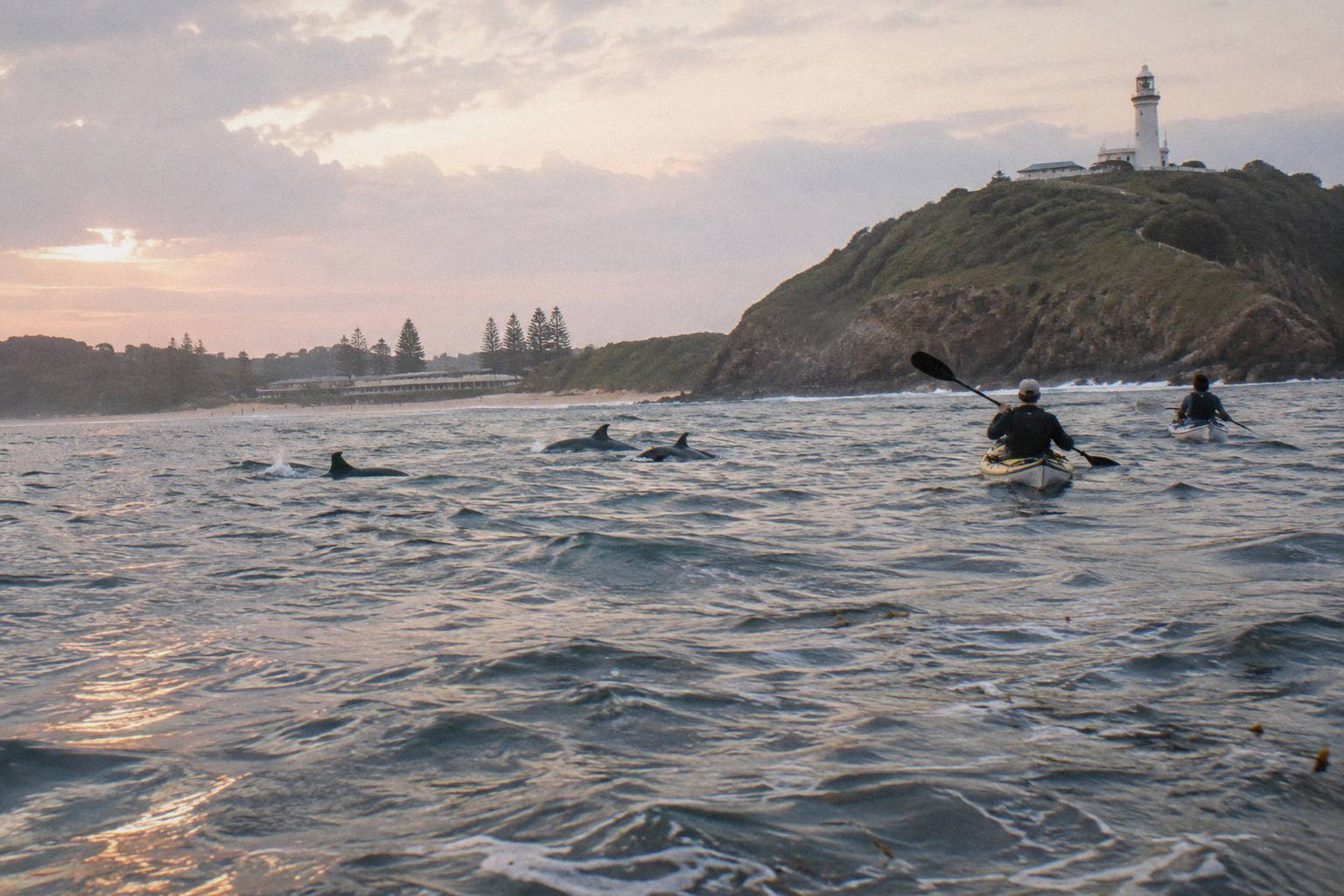
The year-round dolphin claim is the load-bearing fact. Cape Byron Kayaks says it sees dolphins on over 90 per cent of its tours and talks about a pod of around 300 resident dolphins, while also answering no to the question of whether dolphins are always seen. Go Sea says dolphins are spotted on most tours. Both guarantees, free return tours rather than refunds, cover dolphins or whales, so the shoulder months outside every whale window still carry the dolphin promise. Travellers weighing that promise can read more in what happens when no dolphins appear.
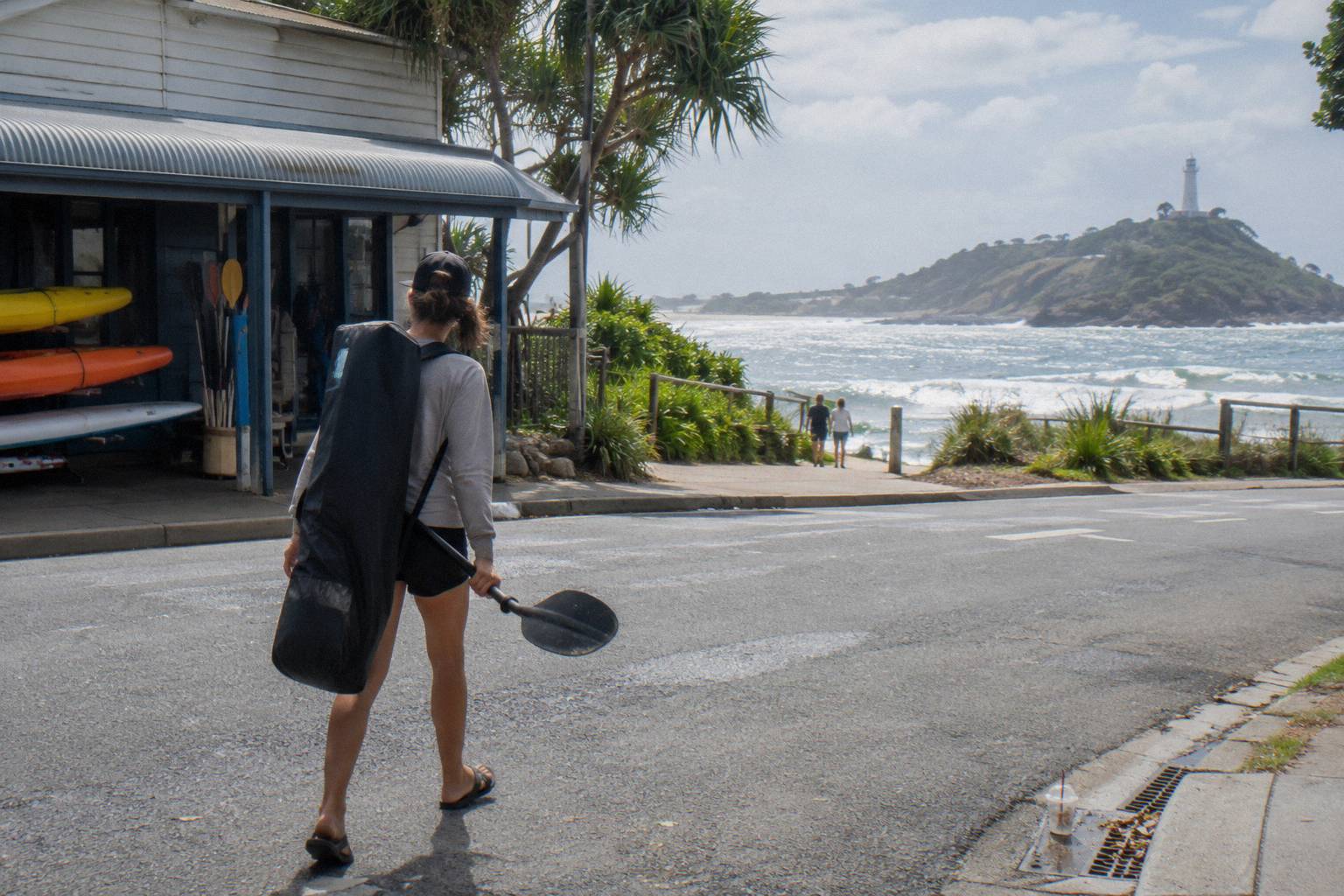
Turtles extend the off-season appeal. The National Parks page for the Go Sea tour names playful dolphins, sea turtles and, during migration season, humpback whales as local wildlife, and Go Sea's own guarantee names dolphin, turtle or whale. Outside whale season, two of the three named animals remain in play, and the tour format does not change: same double kayaks, same Lawson Street check-in, same roughly 2.5 hours per the booking pages.
For travellers who prefer flat water entirely, the same operator runs two Brunswick River kayak tours, a scenic trip and a sunset trip, each about 2 hours with a minimum age of 3, meeting at the Brunswick Heads Scout Hall area on South Beach Road. Go Sea itself recommends its river tour for non-swimmers. Those are adjacent days out rather than whale trips, and no river tour carries a whale claim of any kind, but they round out a week in the region when the ocean swell cancels a paddle. The choice between the two styles is laid out in the sea kayak tours compared rundown.
The Go Sea ocean tour is the one trip here with a from-price, from AUD 59 per person on its booking page, changing by date, and rated 4.6 on that page; a second booking page shows 4.7 across 271 reviews.
Is Winter Too Cold For A Byron Bay Whale Paddle?
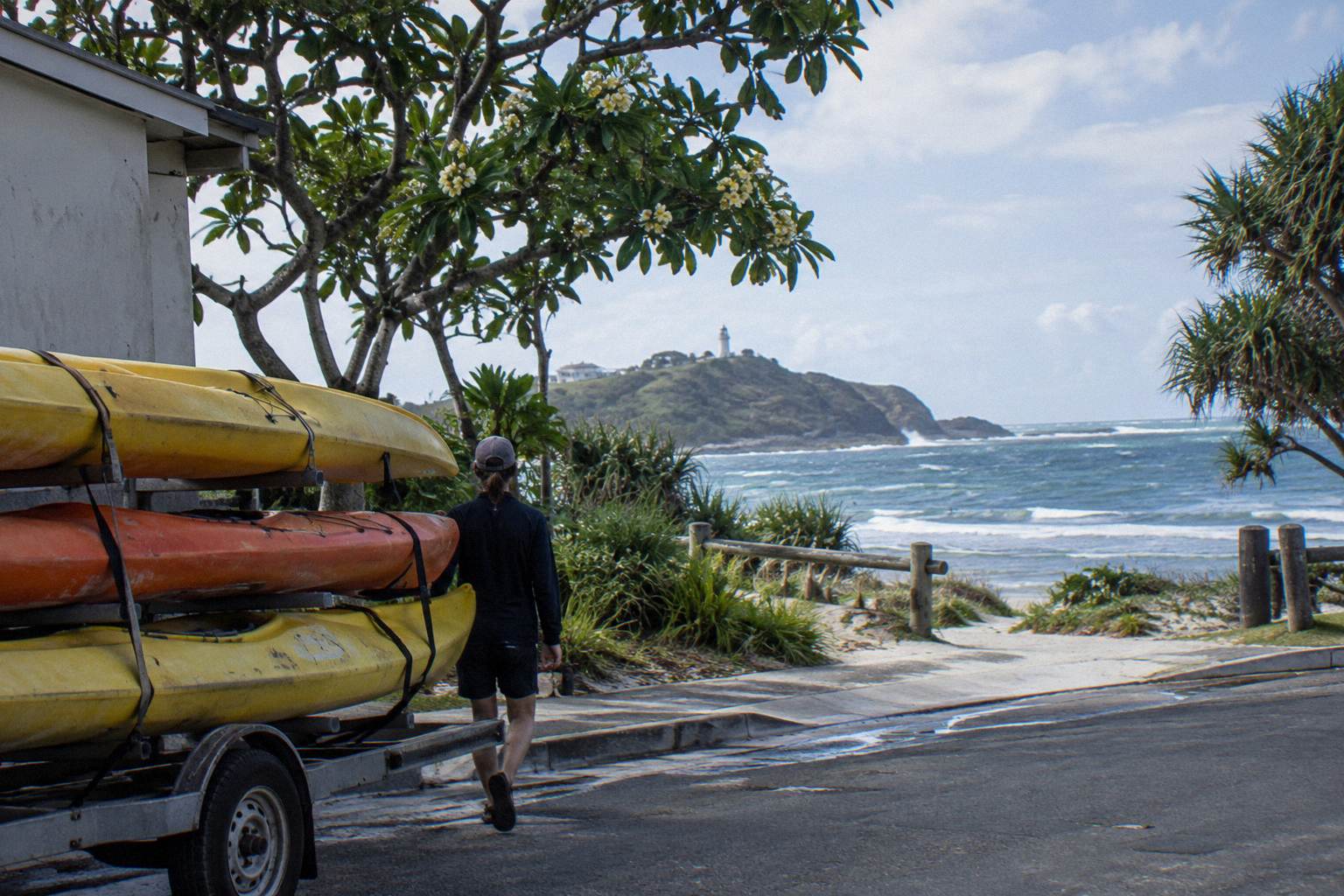
Midwinter sea temperatures around Byron Bay average about 21.5 °C in July and August by seatemperature.org's monthly averages, and Go Sea supplies wetsuits in cooler months, so the operator's own arrangements are built around paddling through the whale season rather than pausing for it. Those averages are approximate figures from a secondary data source that averages recorded years, not a forecast for your date, and Cape Byron Kayaks also supplies wetsuits if required, per its about page. Cold water is a managed part of the trip, not a reason it stops.
The full monthly picture from the same source runs from about 21.5 °C in August to about 27.1 °C in February, with the cooler months sitting in the low twenties and the warmer months in the mid-twenties. The practical read for whale-season travellers is that June through October water is cooler than summer but well within the range the operators equip for, and a wetsuit is available on both ocean tours in the months that need one. What to pack for the day is covered in detail in what to wear and bring on a Byron Bay kayak tour.
| Month | Average sea temperature (C), seatemperature.org | Notes from the operators |
|---|---|---|
| May | 24.1 | Cape Byron Kayaks' earliest stated whale month |
| June | 22.6 | Inside every stated whale window; wetsuit months begin |
| July | 21.6 | Inside every stated window; coolest average water |
| August | 21.5 | Inside every stated window; coolest average of the year |
| September | 21.9 | Inside every stated window |
| October | 22.6 | Last month of Go Sea's whale-page season, late October |
| November | 24.4 | Claimed by Cape Byron Kayaks, Go Sea's FAQ and the boat tour |
Rain does not cancel these trips, and both operators say so in their own ways: Cape Byron Kayaks jokes that dolphins are always wet, and Go Sea runs in the rain with cancellations reserved for unsafe wind or large swell. Winter on the far north coast of NSW is therefore a functioning season for paddling, not a closed one, and the whale months coincide with the wetsuit months by design. The cancellation mechanics, including the 24-hour notice rules both operators apply, are explained in the guide to swell and kayak tour cancellations.
Adjacent Days Out When The Ocean Does Not Cooperate
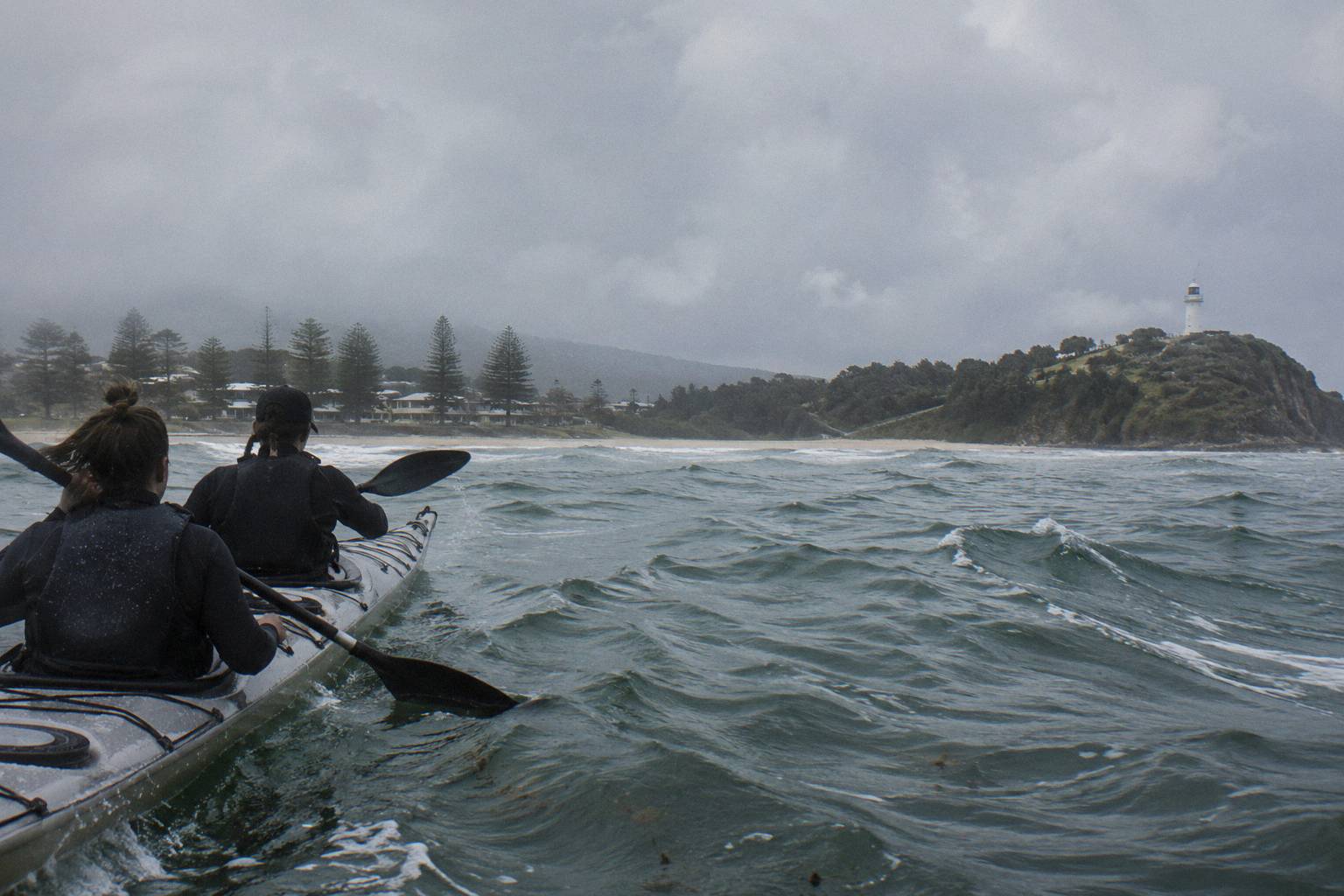
When swell or wind cancels an ocean paddle, the Brunswick River kayak tours, the stand up paddle nature tour and the Ballina whale boat are the adjacent options, each a separate product with its own meeting point and none of them a substitute carrying a sighting guarantee. They are different days out, not backups the ocean operators bundle, and each has its own booking, its own operator and its own rules. Knowing them before you travel keeps a cancelled morning from becoming a lost day.
The two Go Sea river tours meet in Brunswick Heads, the scenic trip at the Scout Hall on South Beach Road and the sunset trip at 40 South Beach Road, riverside of the same hall, timed to high tide per the operator, with a meet time of 10 minutes before. Each runs about 2 hours with a minimum age of 3 and life jackets included, and neither carries a printed rating. The stand up paddle nature tour, run by Byron Stand Up Paddle, also meets in Brunswick Heads, lasts about 2 hours, requires own transport with the address given after booking, and is rated 5.0 across 391 reviews on its booking page.
The whale boat from Ballina is the remaining adjacent option, and it shares the ocean's weather exposure, though a powered vessel handles conditions differently from a kayak and any go or no-go call is the operator's. It lists no minimum age, so families with small children should ask directly. The comparison between paddling and watching from a deck is worked through in whale watching by kayak or boat, and the dolphin-versus-dolphin choice between paddle and boat is separate again, covered in kayak tour or boat cruise for dolphins.
For calm-water travellers and non-swimmers, the river options deserve the first look. Go Sea itself recommends its Brunswick River tour for non-swimmers on its home page, the minimum age of 3 is the lowest of any trip here, and the water is flat by nature rather than by luck. The stand up paddle tour asks for swim comfort, so read its requirements before booking rather than after. Whales do not feature in any river claim, and nor do dolphins appear as a guarantee; the nature tour's wildlife is its own proposition.
What Trips People Up When Booking A Whale-Season Tour
The recurring mistakes are treating the longest stated whale season as every operator's season, assuming the whale boat departs Byron Bay when it leaves from Ballina, and mixing up the two kayak operators' swim rules and ages, which differ in ways that matter at check-in. Each trip's dates, departure point and requirements belong to that trip alone, and the operators' own pages, not a merged summary, are the authority. Getting four details right before booking saves most of the disappointment.
The first trap is the season itself. Booking a May kayak paddle with Go Sea and expecting its whale-page claim to apply will not match what that operator states, since Go Sea's whale page begins in early June. The second is geography: the whale boat's booking page says Lance Ferris Wharf in Ballina, about 30 minutes south, with no Byron Bay transfers, so budget the drive and the 30-minute early arrival. The third is the swim split: Cape Byron Kayaks takes no non-swimmers and wants paddlers 16 and over to swim 25 m unassisted per its FAQ, while Go Sea accepts non-swimmers who tell the guide and wear a life jacket.
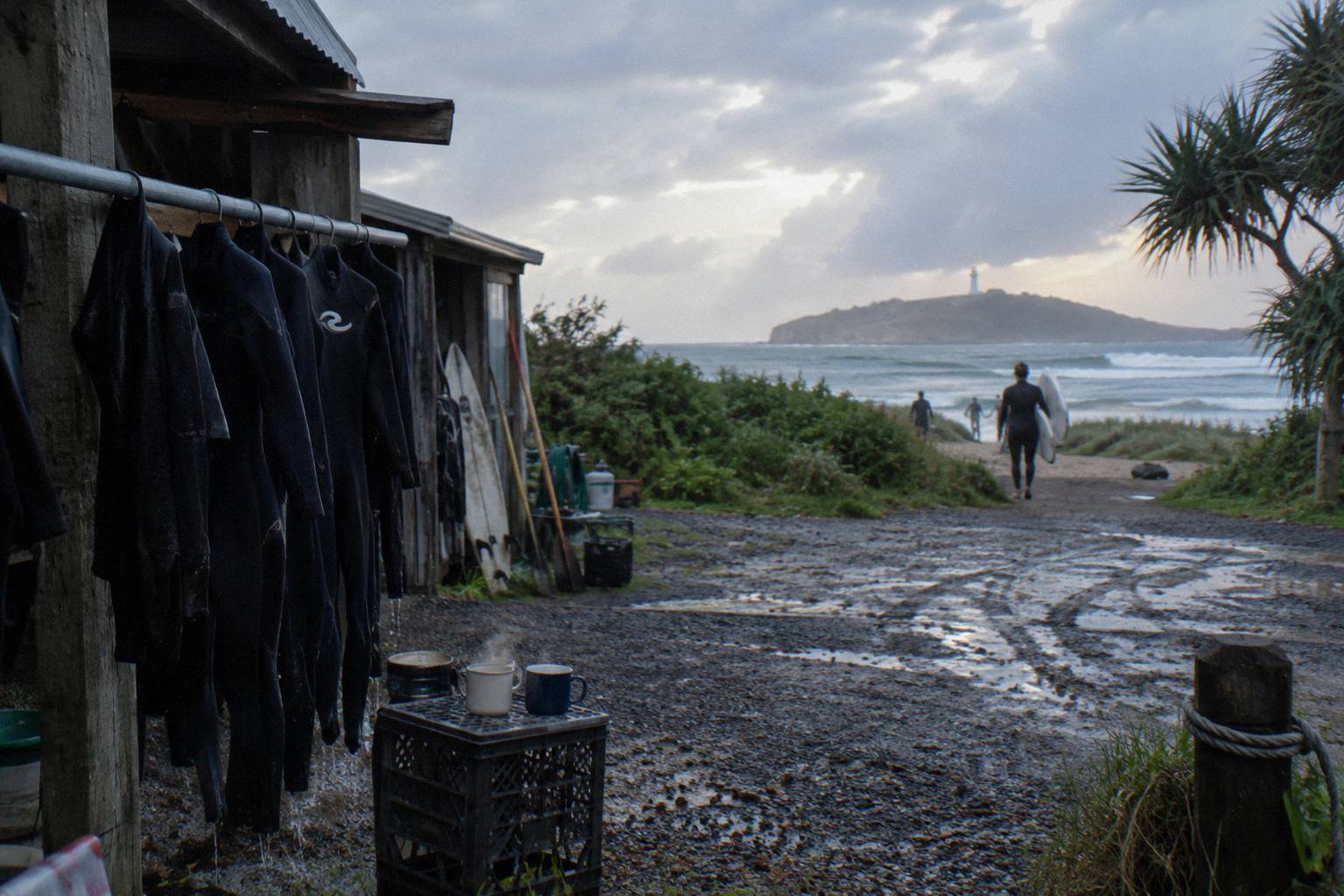
Ages trip people up too. Minimum age 5 applies to both ocean tours, with Cape Byron Kayaks requiring under 16s to have an adult in a one-to-one ratio, while the river tours set the minimum at 3 and the boat and stand up paddle tours state no minimum age, a question for each booking desk. Meeting points differ within the same street: Go Sea checks in opposite 58 Lawson Street at Shed 1, at least 20 minutes before, while Cape Byron Kayaks uses Shed 2 opposite 60/62 Lawson Street, 15 minutes before, and says its tour leaves from Clarkes Beach. Neither operator page names Main Beach, and the Clarkes Beach or Main Beach meeting point question is worth settling before arrival day.
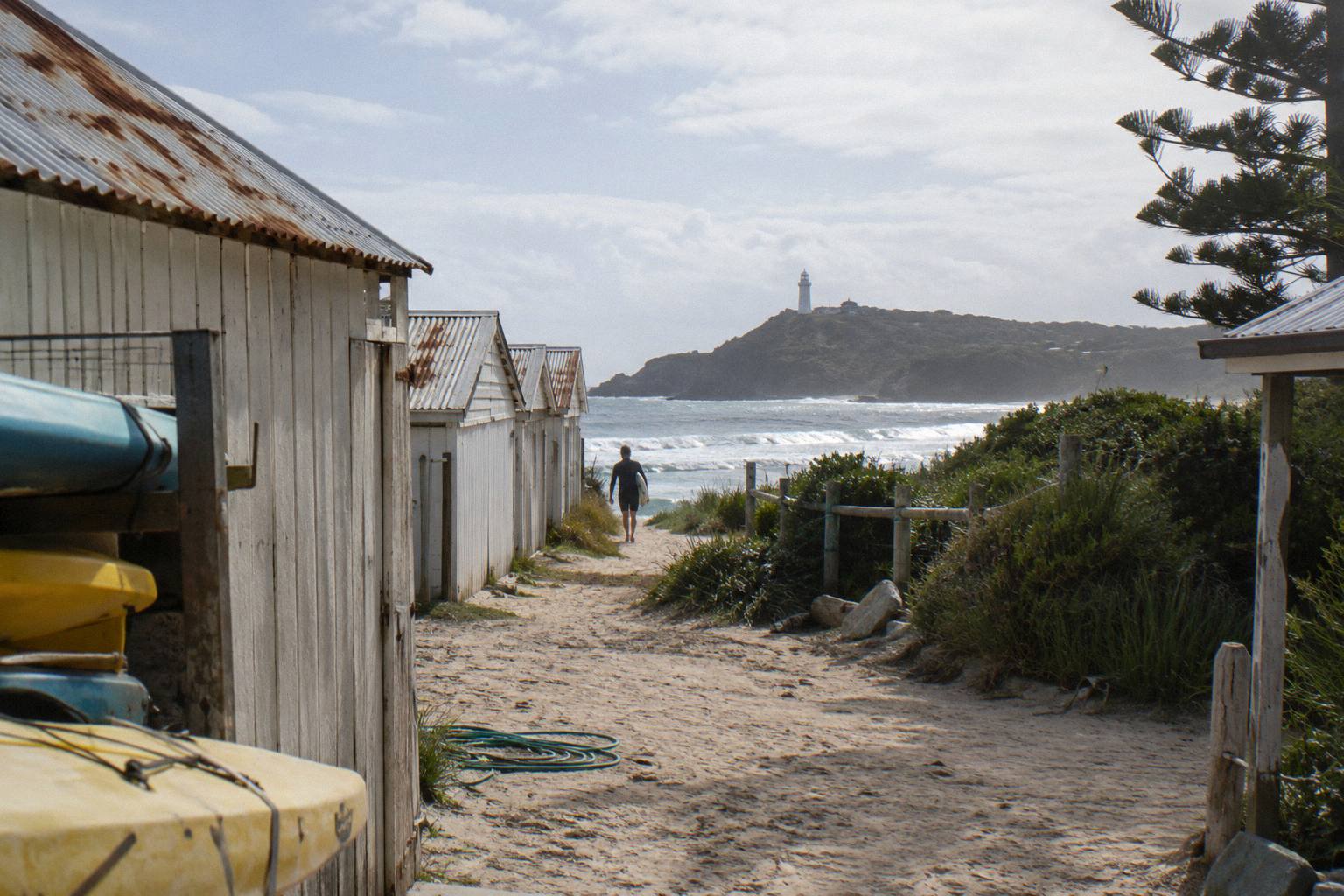
A short checklist of what to ask any booking desk closes the gaps that stay open. Ask which whale months the operator is currently running, since the stated seasons are the operator's to move. Ask whether the date's departure time is the summer or winter pattern. Ask the current price, since only Go Sea's from AUD 59 appears anywhere in these sources. Ask the cancellation terms for your channel, because Go Sea's direct-booking refund terms and the 24-hour windows both operators apply are per operator and per channel. Ask about wetsuit availability if travelling in the cooler months, and confirm the minimum age and swim requirement for everyone in your group before you pay.
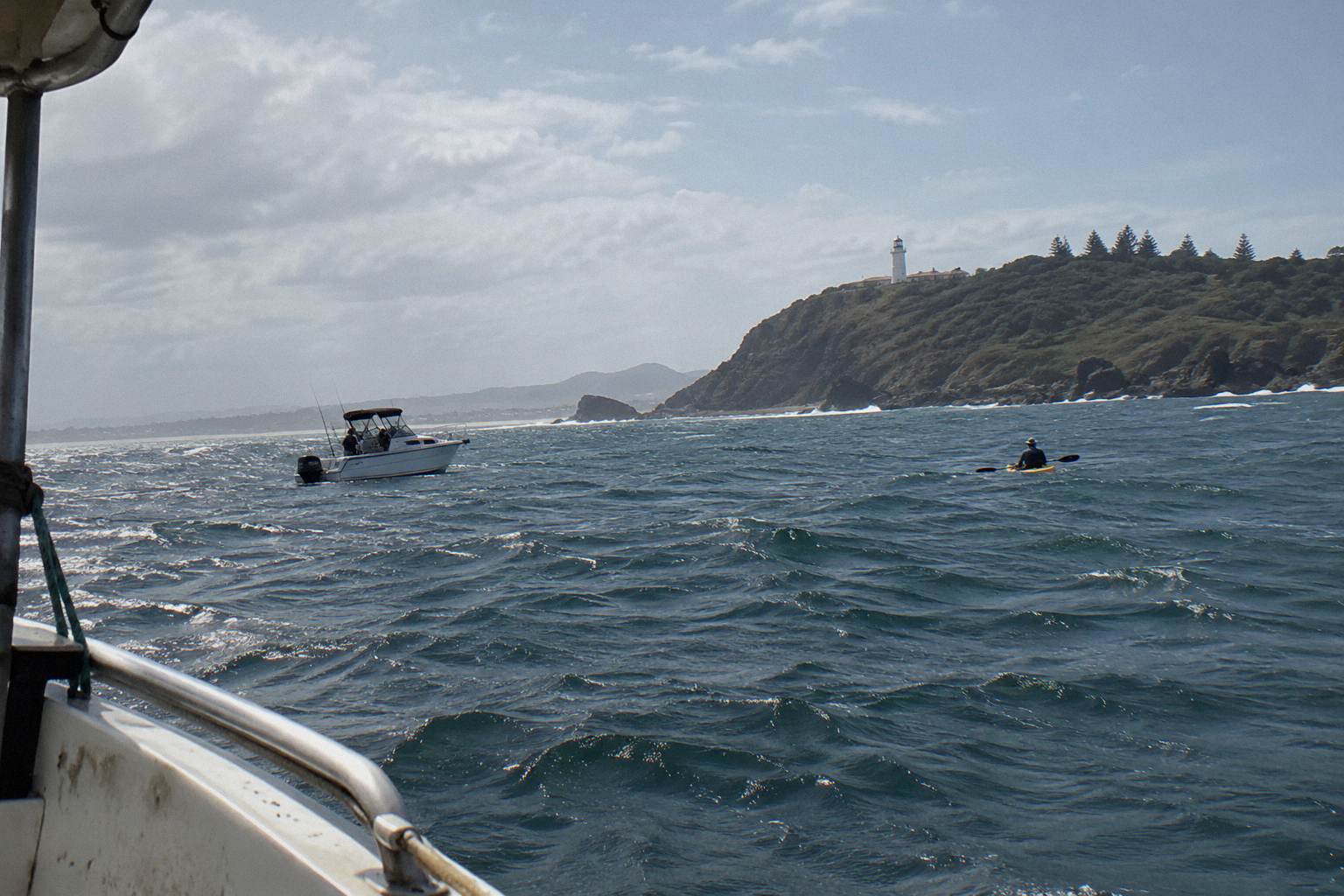
The full year of dolphin behaviour around the cape, resident pod and all, sits in the best time to see dolphins in Byron Bay guide, and the species background is in the bottlenose and humpback overview. For a sense of how the whole decision space of paddling here compares, Byron Bay Dolphin Kayak exists to answer exactly that question, tour by tour, season by season.
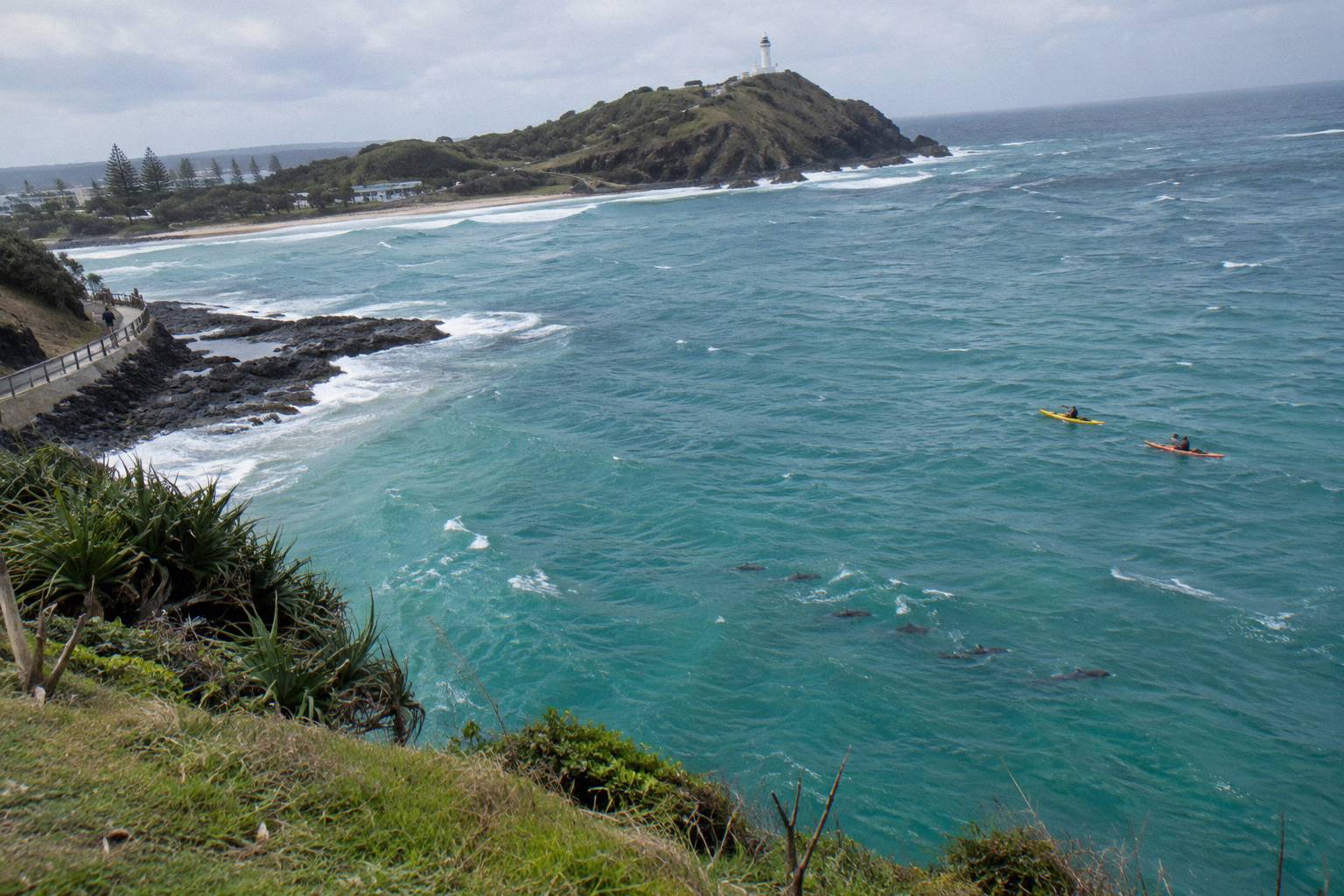
Whichever way the choice lands, the three trips below cover the whale-season spread: the dedicated boat, and the two ocean kayak tours that carry the whale claim inside their own stated months.
Common Questions About Whale Watching In Byron Bay
What Time Of Year Are Whales In Byron Bay?
Whales are stated for May to November by Cape Byron Kayaks, early June to late October by Go Sea's whale page and June to November by Go Sea's FAQ, and June to November by the Ballina whale boat tour. June and July fall inside every stated window. No source promises a sighting on any given day, and no tour refunds for a missed whale, though both kayak operators offer a free return tour.
Can You See Whales From A Kayak In Byron Bay?
Both ocean kayak operators name whales in their stated season. Go Sea says that on most tours dolphins are spotted and that whales are often spotted from June to November. Cape Byron Kayaks includes whales in its season wording and its free-return guarantee. Sightings depend on the day, and NSW rules keep any kayak at least 100 m from a whale.
Where Is The Best Place To See Whales In Byron Bay?
The ocean kayak tours paddle the coastline out toward the cape from Clarkes Beach, in the operator's own wording, and past Wategos Beach. The dedicated whale boat departs Lance Ferris Wharf in Ballina, about 30 minutes south of Byron Bay, and no transfers from Byron Bay are included. Land-based viewpoints are not covered by the operators' pages.
Are Dolphins In Byron Bay All Year?
Yes, per both kayak operators. Cape Byron Kayaks describes a resident pod of around 300 dolphins seen on over 90 per cent of its tours, while stating dolphins are not always seen. Go Sea runs all year and says dolphins are spotted on most tours. Dolphins are the year-round anchor of both ocean tours.
What Happens If No Whales Appear On The Tour?
Neither kayak operator refunds for a missed whale. Cape Byron Kayaks offers a free return tour, non-expiring and non-transferable, if no dolphin or in-season whale appears. Go Sea's guarantee allows a free repeat paddle if no dolphin, turtle or whale is seen. Ask the whale boat operator directly about its own policy when booking.
How Much Does A Whale-Season Tour Cost?
The only from-price stated anywhere is the Go Sea ocean kayak tour at from AUD 59 per person on its booking page, changing by date. Cape Byron Kayaks and the whale boat tour state no price, so ask each operator or check the booking page for your dates. No child prices or group rates appear in any of these sources.