What Not To Wear On A Byron Bay Kayak Tour?
What the Byron Bay kayak operators actually say about clothing, cameras and valuables, and what to leave behind, with decision logic by traveller type.
Clothing questions about a dolphin paddle in Byron Bay come down to one fact before any fashion decision: Go Sea Kayak Byron Bay answers its own question "Will I get wet?" with "100% YES". Everything the two ocean operators publish about dress, gear and valuables follows from that, and neither operator publishes a dress code of fabrics, colours or brands. What they publish instead is a short list of what to bring, a longer list of what they supply, and a couple of firm rules about phones, cameras and jewellery-adjacent valuables.
What Not To Wear On A Kayak Tour?
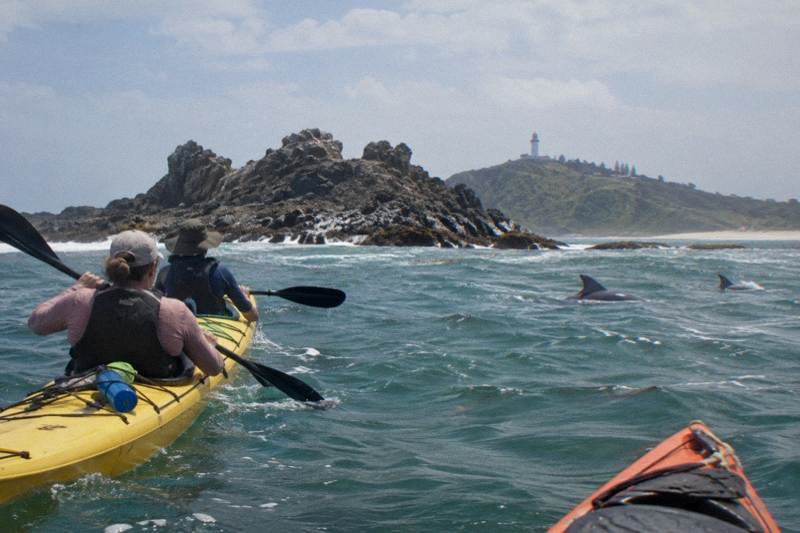
Do not wear anything you would be unhappy to have soaked in sea water, and do not carry anything that cannot get wet or be secured. Both ocean tours launch through surf, both use sit-on-top double kayaks, and Go Sea states plainly that every paddler gets wet. Cape Byron Kayaks asks that phones and cameras be attached to the lifejacket and recommends against valuables. Wetsuits are supplied when conditions call for them.
That is the whole shape of it. The Byron Bay ocean kayak tours are guided group paddles on open water, not flat-water cruises, and the operators write their gear guidance around surf launches, splashes and the possibility of a capsize drill on the beach before departure. Go Sea lists its bring list as bathers, towel, sunscreen, a small reusable water bottle, a hat and a change of clothes. Cape Byron Kayaks does not publish an equivalent bring list, but it states what it supplies: lifejackets, helmets, wetsuits if required, secure storage, National Park fees, a professional guide and, in its own words, all the Tim Tams you can eat.
Notice what is absent from both. Neither operator names a fabric, a shoe type, a colour or a brand. Neither bans cotton by name, neither demands a rash shirt, neither specifies footwear at all. Any page that tells you otherwise is filling the silence with invention. The reliable guidance is the operators' own: dress to swim, bring a towel and a dry change, and treat everything on your body or in your pockets as likely to get wet.
On a boat you stay dry unless it rains; on a kayak you plan for total immersion even on a bright morning. If your wardrobe anxiety is really about getting wet at all, that distinction matters more than any single garment choice.
For a fuller packing treatment that goes beyond clothing, the what to wear and bring on a Byron Bay kayak tour guide walks the same operator-sourced lists in more detail. The rest of the article here sticks to what the operators themselves state, then spends its energy on the decisions the sources actually support: what to ask the booking desk, and how different travellers should weigh the options.
Why Getting Wet Is The Starting Point For Every Clothing Choice
Both operators frame the paddle as an in-water activity, not a boat ride. Go Sea states that paddlers get wet every time, and its tour includes a kayaking lesson on the beach before launch. Cape Byron Kayaks describes wave-surfing as part of its tour and supplies helmets alongside lifejackets. A helmet on the gear list tells you the launch and the surf return are treated as real paddling, not sightseeing.
The practical reading is simple. Whatever you wear should be something you could swim in comfortably, because the operators expect you to end up in the water or thoroughly splashed at some stage. Bathers, the Australian term for swimwear, sit at the top of Go Sea's bring list for exactly that reason. A change of clothes appears on the same list, which tells you the plan assumes you finish wet and change afterwards.
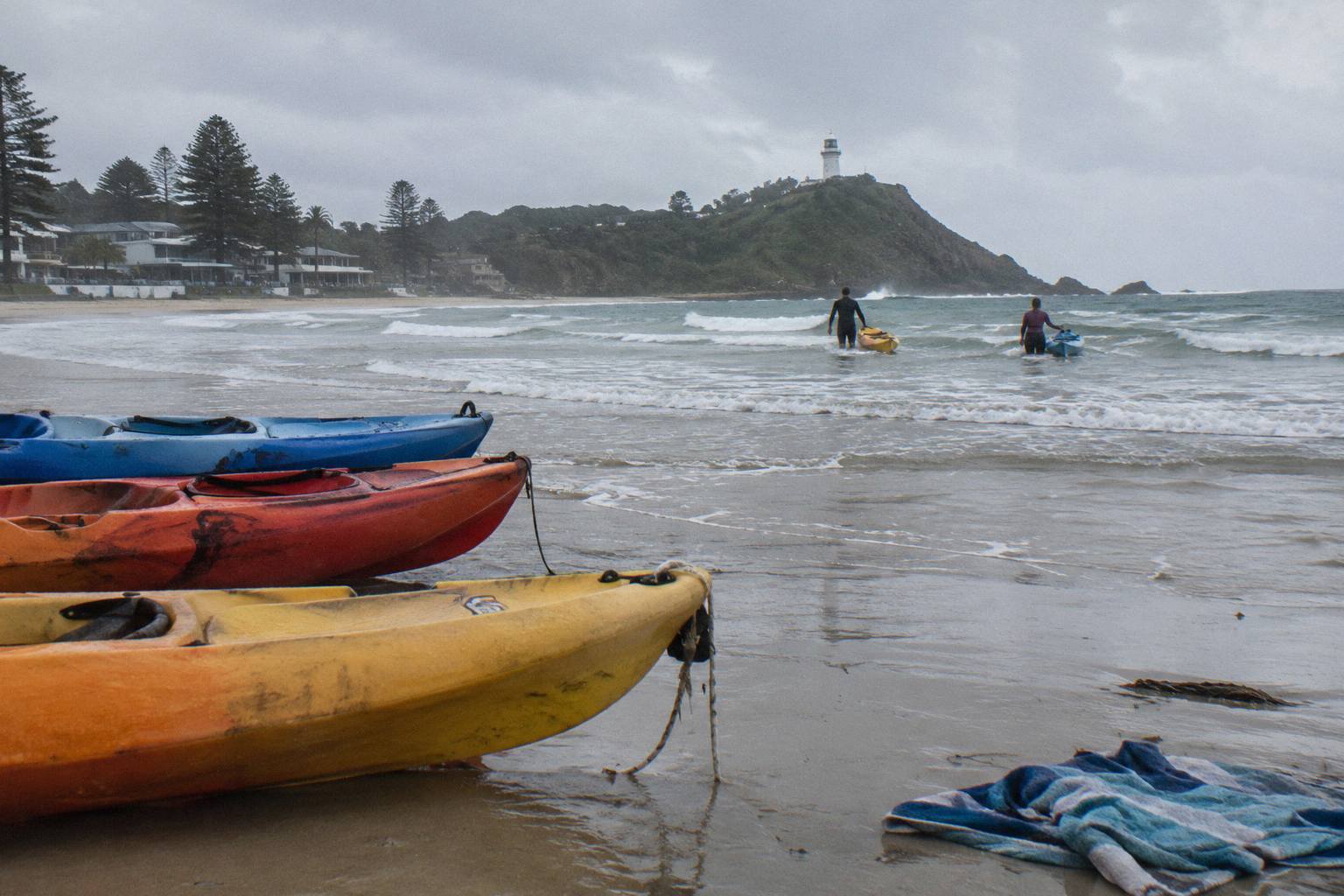
The surf return deserves a mention because it shapes what sits well on your body. Cape Byron Kayaks includes instruction on riding a wave back to the beach, and the what the wave surf back to the beach is like question comes up often enough that first-timers plan around it. Loose items that flap or fill with water, anything that needs to stay dry, and anything that would be lost if it came off in the surf all fail the basic test the operators set.
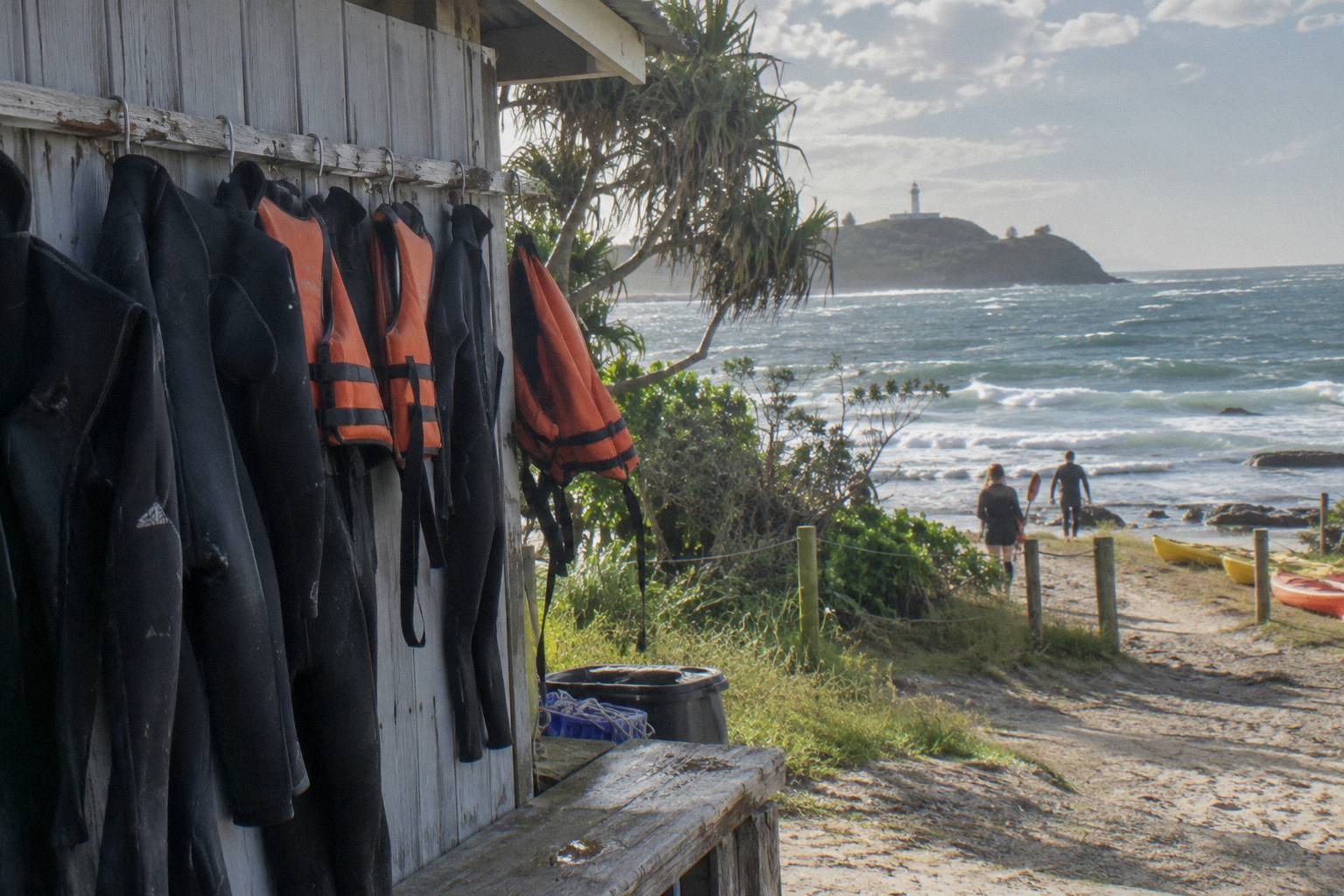
Wetsuits close the gap when the water cools down. Go Sea provides wetsuits in the cooler months and on cooler days when needed, and Cape Byron Kayaks supplies wetsuits on request if required. That removes the single biggest purchase temptation for visitors: you do not need to bring or buy a wetsuit for a two and a half hour guided paddle, because both operators keep them on hand. Average sea temperatures at Byron Bay run from about 27.1 °C in February down to about 21.5 °C in July and August, according to the seatemperature.org monthly averages, which is a range most paddlers in bathers plus a supplied wetsuit handle comfortably.
What Go Sea Asks You To Bring, And What It Supplies Itself
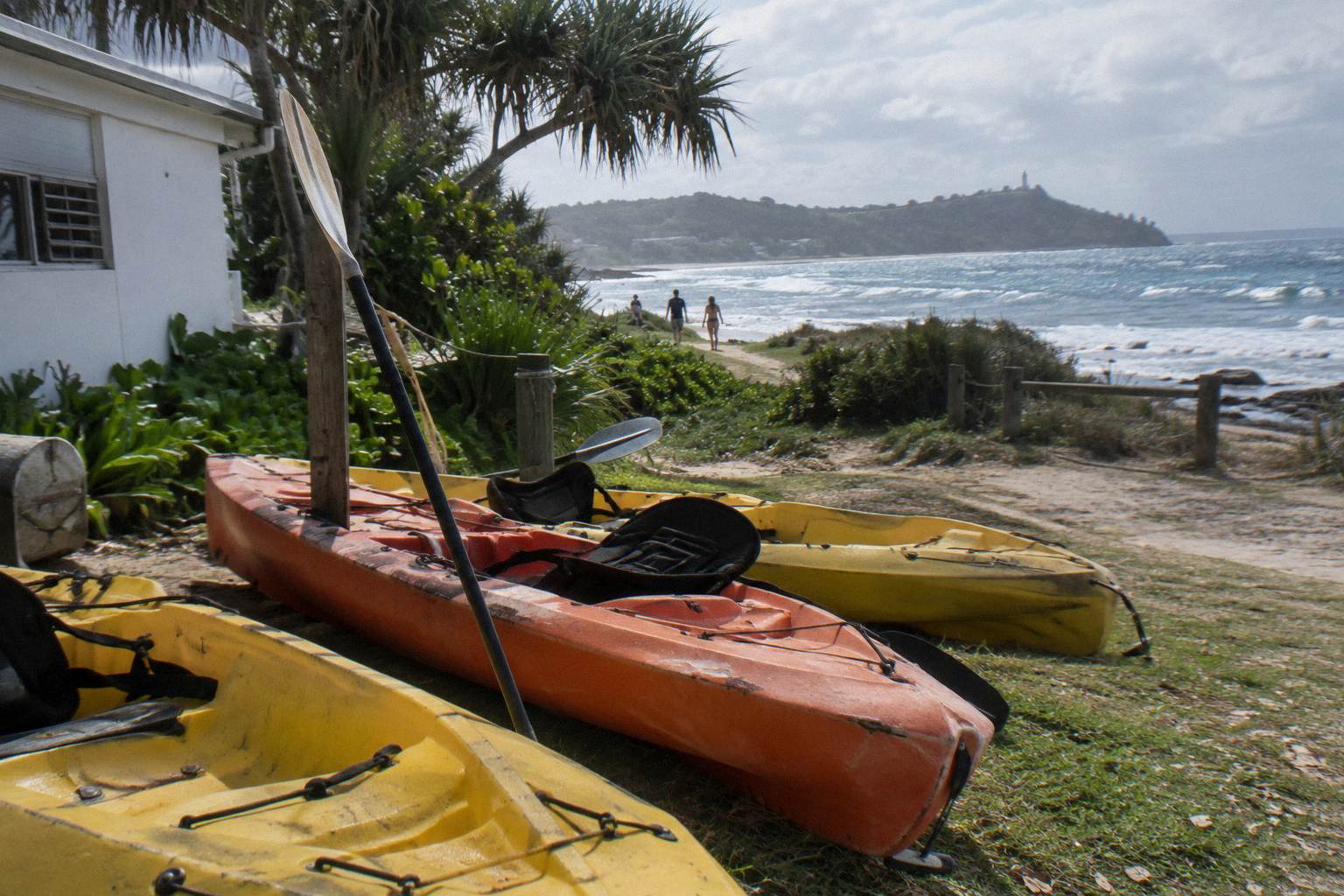
Go Sea's operator FAQ gives a six-item bring list: bathers, towel, sunscreen, a small reusable water bottle, a hat and a change of clothes. Its booking page adds the supplied side, which includes the lifejacket and helmet, a kayaking lesson on the beach, a local guide, a wetsuit on cooler days if needed, and sunscreen available on site. Belongings can go into a lock-up during the tour.
That split, bring versus supplied, is where most packing mistakes happen. People bring things the operator already provides, like sunscreen in bulk or a wetsuit rented for the day, and forget the boring essentials, like the dry change of clothes for afterwards. The word small matters in "small reusable water bottle": it has to fit in or on a sit-on-top kayak with limited dry space. A hat needs to survive wind and spray, which the operator's simple inclusion of "hat" on the list leaves to your judgement.
| Item | Go Sea says | Cape Byron Kayaks says |
|---|---|---|
| Lifejacket | Supplied | Supplied |
| Helmet | Supplied | Supplied |
| Wetsuit | Cooler months, if needed | If required, on request |
| Storage for belongings | Lock-up available | Secure storage |
| Sunscreen | Bring, also available on tour | Not stated |
| Towel and change of clothes | On bring list | Not stated |
| Snacks | Not stated | Tim Tams supplied |
| Photos | Not stated | Operator posts photos online each day |
One boundary worth knowing: phone pouches are not included on the Go Sea ocean tour, and are available to buy at check-in, so a paddler who wants the phone on the water either brings a pouch or buys one there. The Go Sea ocean tour runs from AUD 59 per person, a figure that moves with date, and lasts about two and a half hours on the booking page. If the packing question is really a readiness question, you can check availability and read the inclusions before you finalise the bag.
The Camera, Phone And Valuables Rules Both Operators Set
This is the one area where the operators publish hard "do not" guidance rather than suggestions. Go Sea states that only waterproof cameras are suitable, because paddlers get wet every trip. Cape Byron Kayaks allows phones and cameras but requires that they be attached to the lifejacket, and recommends against bringing valuables at all. The clear fail cases: an unsecured phone in a pocket, a non-waterproof camera, and jewellery or watches that could be lost in the surf.
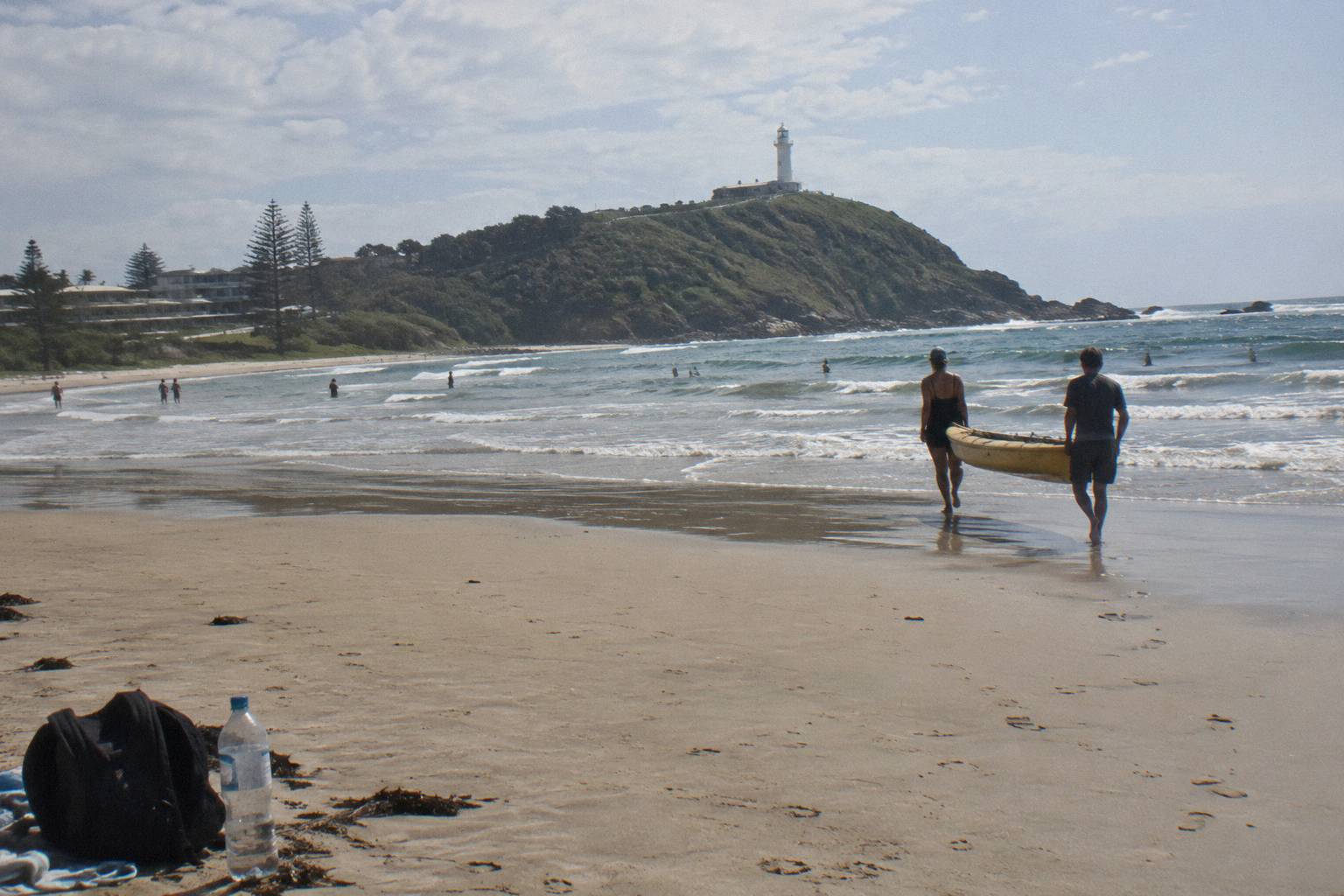
The two rules say the same thing in different dialects. Go Sea's version is blunt: the water is guaranteed, so the camera must be waterproof. Cape Byron Kayaks' version is mechanical: cameras may come, but tethered to the lifejacket so a wave cannot take them. Either way, the pocket of a sit-on-top kayak is not a dry pocket, and a capsized double is not the place to discover that.
Cape Byron Kayaks also removes one common reason people insist on carrying a phone: it posts photos from each day's tours online, morning and afternoon, so paddlers can download shots taken by the guide rather than risking their own device. That is worth weighing: the free photos versus the phone in the surf, and many travellers choose the photos.
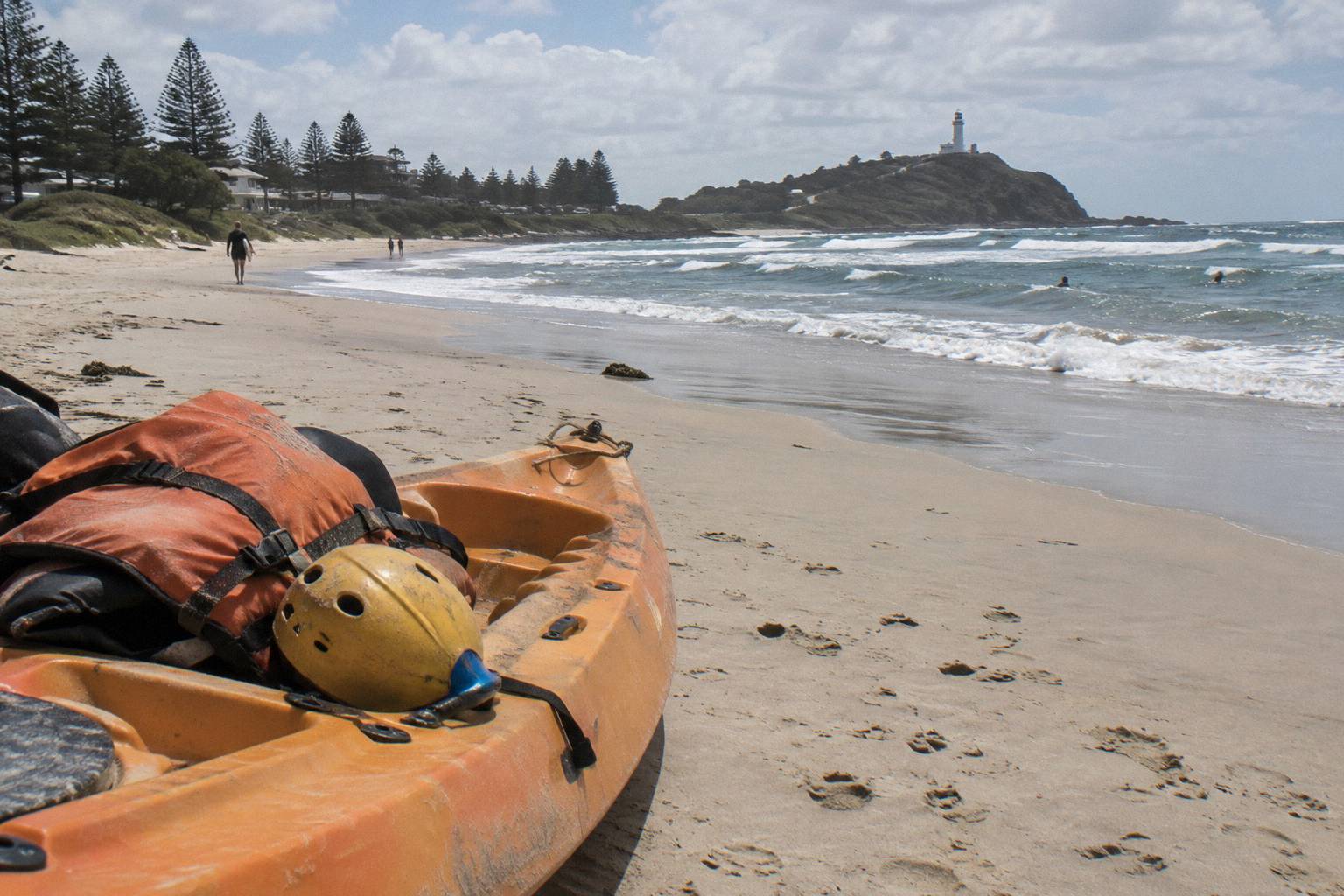
For paddlers weighing the dolphin kayak against the boat option, the camera logic alone can decide it. The kayak tour or boat cruise for dolphins comparison covers the trade-offs; on the boat, a phone stays safely dry, while on the kayak the same phone needs a pouch, a tether or a decision to leave it behind.
The whale watching boat tour above departs from Lance Ferris Wharf in Ballina, about 30 minutes south of Byron Bay, runs about two and a half hours, and lists its season as June to November. For a photographer whose gear cannot handle immersion, it is the wildlife option that keeps the camera safe.
How Different Travellers Should Dress For The Paddle
A confident swimmer in high summer can dress nearly as light as for a beach day: bathers, hat, towel, change of clothes and a secured camera. A winter paddler leans on the supplied wetsuit rather than layering up. A non-swimmer should note the two ocean operators differ: Go Sea accepts non-swimmers with a lifejacket and a word to the guide, while Cape Byron Kayaks does not take non-swimmers at all.
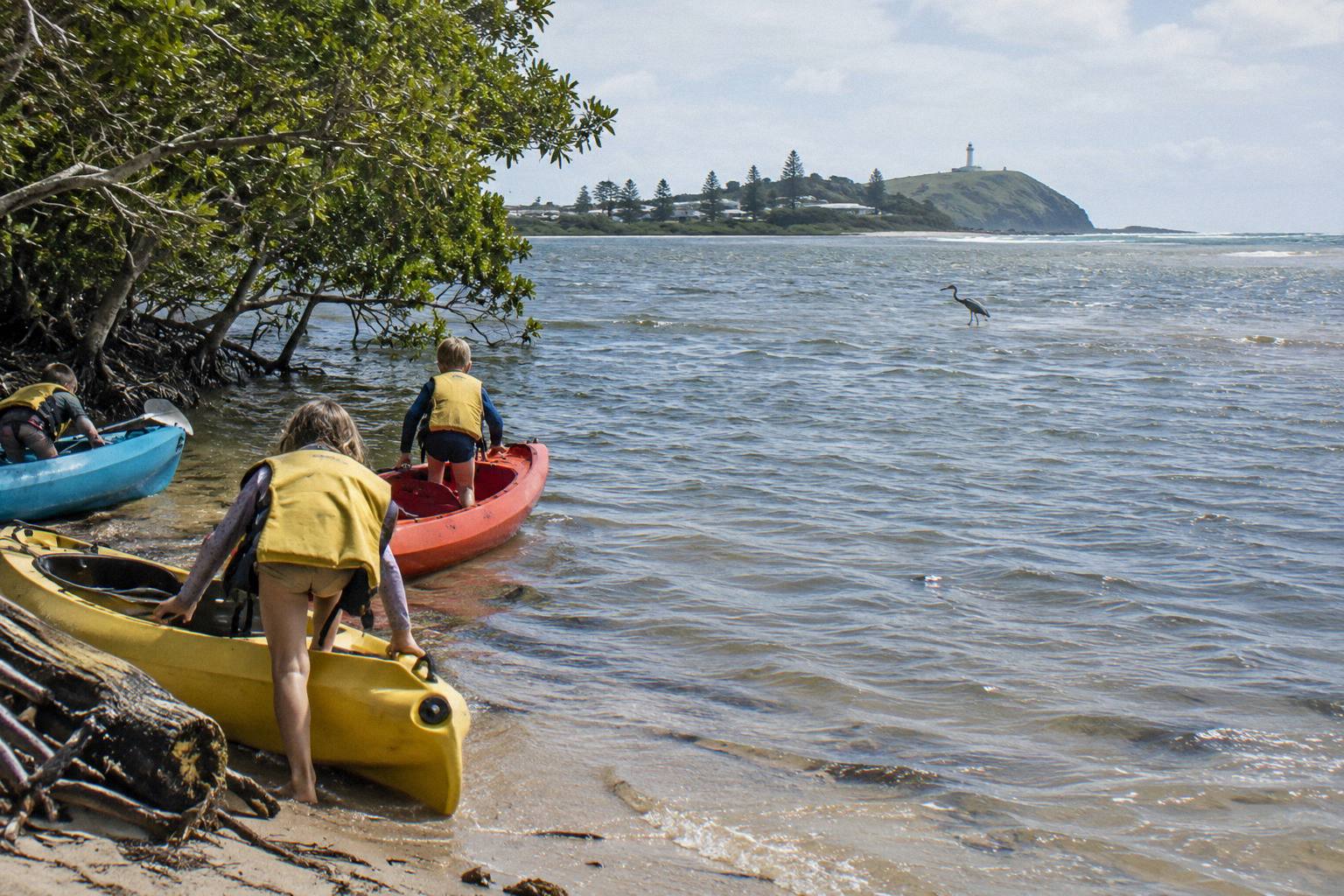
That swimmer distinction is the sharpest fork in the whole topic, and it interacts with clothing directly. Someone who cannot swim confidently should not be dressing for comfort in the water; they should be choosing the operator that accepts them, or the calmer-water product. Go Sea itself recommends its Brunswick River tour for non-swimmers, a tour that runs about two hours on flat water from Brunswick Heads with a minimum age of 3. The clothing stress that disappears on a river paddle is hard to overstate: no surf launch, no wave return, and the same "you may still get splashed" baseline.
| Traveller | Best-fitting option | Clothing and gear logic |
|---|---|---|
| Confident swimmer, warm months | Either ocean tour | Bathers, hat, towel, change of clothes, waterproof or tethered camera |
| Cautious or non-swimmer | Go Sea ocean tour, or Brunswick River tour | Lifejacket mandatory, tell the guide; river tour removes the surf element |
| Winter or cooler morning | Either ocean tour | Supplied wetsuit over bathers; towel and full change of clothes after |
| Photographer with a good camera | Whale watching boat from Ballina | Gear stays dry; kayak tours suit waterproof cameras only |
| Family with young children | Brunswick River tours, age 3 and up | Same wet-weather logic, calmer water, snacks listed on those tours |
The family row deserves its own note. The ocean tours both set a minimum age of 5, and Cape Byron Kayaks requires under-16s to paddle with an adult at a one adult to one child ratio. The river tours drop the minimum age to 3 and list snacks, which the ocean tours do not. For a parent packing for children, the river option is the one where the "what not to wear" stakes are lowest.
Questions Worth Asking The Booking Desk Before You Pack
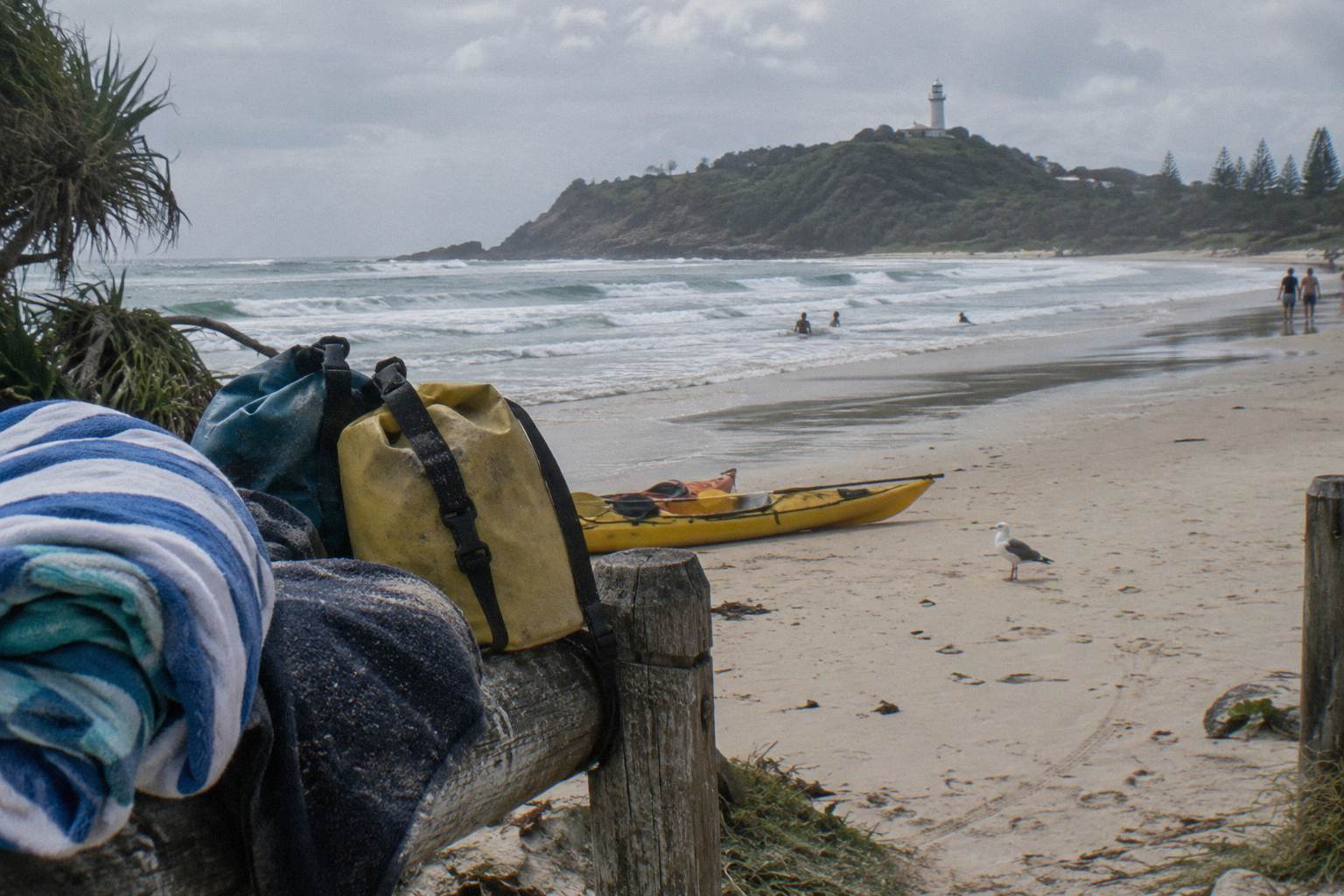
Because the operators state nothing about footwear, sunglasses retention, prescription glasses or jewellery, those gaps are best closed by a quick question at booking rather than a guess. Ask what storage the lock-up covers, whether wetsuits are expected on your date, whether phone pouches are for sale or bring your own, and what the operator recommends for glasses wearers. Each has a factual answer from the desk.
A short checklist, built only from the gaps the published sources leave open:
| Ask the operator | Why it matters |
|---|---|
| Is a wetsuit expected on our date? | Both supply them, but knowing in advance shapes what you wear underneath |
| What does the lock-up or secure storage cover? | Neither operator itemises it; bags, keys and wallets need a confirmed home |
| Can I buy a phone pouch at check-in? | Go Sea sells them; other operators not stated |
| What do you advise for glasses or sunglasses? | Not stated anywhere; a strap decision is better made before arrival |
| Is footwear worn on the kayak? | Not stated by either operator |
| What happens to my belongings if the tour cancels? | Cancellation terms differ by how you booked; ask when you reserve |
The cancellation question has a weather dimension worth pairing with the clothing one. Tours run in the rain, and Cape Byron Kayaks puts it memorably: dolphins are always wet. Unsafe wind or large swell is what cancels ocean tours, and both operators offer a free return tour if the wildlife promise is not met, never a refund. The swell and kayak tour cancellations guide covers that machinery in full; for packing purposes the takeaway is that rain gear for before and after the paddle beats any attempt to stay dry during it.
Not sure yet which of the two ocean paddles suits your bag? The free return tour both operators offer if the dolphins do not appear, and the wetsuits and lock-ups on both, mean the packing question is the same whichever you choose.
Common Mistakes When Dressing For A Byron Bay Kayak Tour
The recurring mistakes are all variations on ignoring the water. Paddlers arrive in clothes meant to stay dry, carry phones in unsecured pockets, bring jewellery and watches into the surf, buy wetsuits they do not need, and leave the towel and change of clothes in the car or the hotel. One more, less obvious: treating the tour as a photo shoot and risking a non-waterproof camera when the operator already posts shots from the day online.
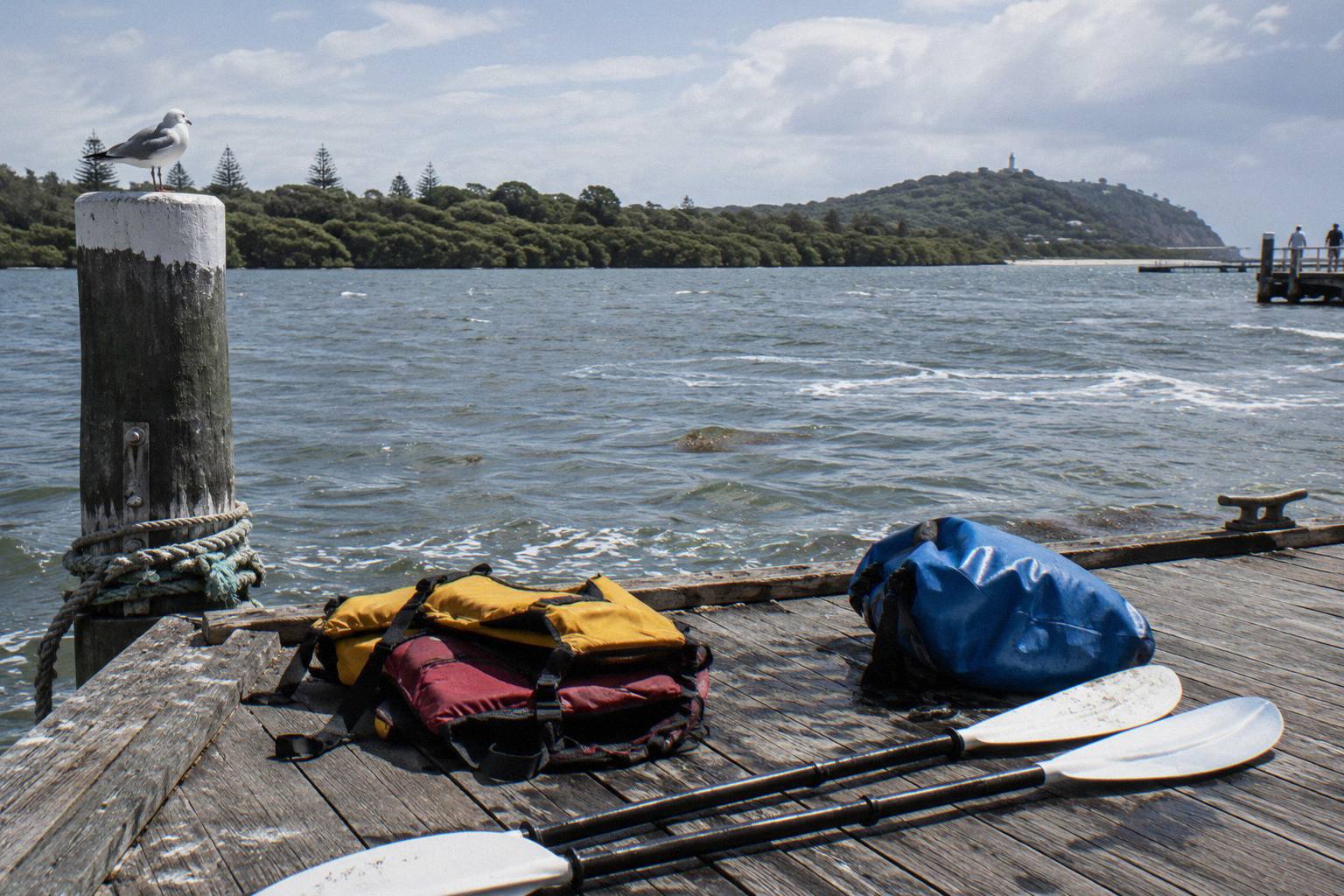
The wetsuit mistake deserves a line of its own because it costs money. Both operators supply wetsuits when required, Go Sea in the cooler months and Cape Byron Kayaks on request, so renting or buying one for a single guided paddle is an avoidable expense. The only wetsuit question worth asking is whether one will be needed on the day.
The towel mistake is the most common and the cheapest to fix. A change of clothes appears on Go Sea's bring list alongside the towel for a reason: the tour ends with wet paddlers standing on a beach. The Brunswick River sunset tour, a Go Sea product running about two hours from South Beach Road in Brunswick Heads, ends the same way, just without the salt.
For anyone still weighing whether the whole experience justifies the soaking, the is a Byron Bay kayak tour worth it question gets a full treatment elsewhere; on clothing alone, the operators make the bargain explicit, you will get wet, they will supply the safety gear and the wetsuit, and everything else you wear or carry is your own calculation of what survives sea water.
The Cape Byron Kayaks dolphin tour above supplies lifejackets, helmets, wetsuits on request, secure storage and Tim Tams, is rated 4.4 across 402 reviews on its booking page, and states no price; ask the operator when you enquire. It checks in at Shed 2 opposite 60/62 Lawson Street and leaves from Clarkes Beach, in the operator's own words.
A note on sourcing, since the whole article rests on two operator pages: the clothing, camera and storage rules come from the Go Sea Kayak FAQ and the Cape Byron Kayaks FAQ, and the monthly sea temperature averages come from the Byron Bay sea temperature record. Where an operator states nothing, the text above says so once and moves on.

Common Questions About What To Wear On A Byron Bay Kayak Tour
What Not To Wear On A Kayak Tour?
Do not wear anything that must stay dry, and do not carry a non-waterproof camera, an unsecured phone, or valuables. Go Sea states paddlers get wet every tour and that only waterproof cameras are suitable; Cape Byron Kayaks requires phones and cameras to be attached to the lifejacket and recommends leaving valuables behind. Dress in bathers, bring a towel and a change of clothes, and use the operator's lock-up or secure storage.
Do I Need To Bring A Wetsuit?
No. Both ocean operators supply wetsuits when they are needed: Go Sea provides them in the cooler months and on cooler days, and Cape Byron Kayaks supplies them on request if required. Ask the operator before your date if you want to know whether one will be handed out.
Can I Take My Phone On The Kayak?
Yes, with conditions. Cape Byron Kayaks allows phones and cameras but states they must be attached to the lifejacket. On the Go Sea tour, phone pouches are not included but are available to buy at check-in, and only waterproof cameras are described as suitable. The safest option is to leave the phone in the lock-up or secure storage and download the operator's photos afterwards.
What Shoes Should I Wear?
Neither operator states a footwear rule, so ask the booking desk when you reserve. The general wet-then-dry logic still applies: whatever is on your feet should be able to get wet and grip sand.
Will My Belongings Be Safe On Shore?
Go Sea offers a lock-up for belongings and Cape Byron Kayaks provides secure storage. Neither operator itemises exactly what the storage covers, so confirm keys, wallets and bags with the desk when you book.
What If It Rains On The Day?
The tours run in the rain; Cape Byron Kayaks notes that dolphins are always wet. Ocean tours cancel for unsafe wind or large swell, not rain, and both operators offer a free return tour rather than a refund if the wildlife promise is not met. Pack a towel and a change of clothes for after the paddle either way.
The dress code, in the end, is one sentence long: wear what you would wear into the sea, secure what must come with you, and leave the rest with Byron Bay Dolphin Kayak's two ocean operators, whose lock-ups and storage exist precisely so the surf is the only thing you take home.