Dolphin Kayak Or Julian Rocks Snorkel: Which Byron Bay Tour Suits You
Both trips put you on Cape Byron Marine Park water among dolphins, turtles and, in season, whales. One keeps you in a kayak observing from the surface; the other drops you into the water over a reef. The choice comes down to paddling willingness, swim comfort and age.
Short answer
The dolphin kayak tours run about 2.5 hours from the Lawson Street sheds, minimum age 5, and keep you in a sit-on-top double kayak. A Julian Rocks snorkel is a boat trip of about 2.5 to 3 hours that puts you in the water over the reef, with a minimum age that differs by operator. Go Sea Kayak accepts non-swimmers; Cape Byron Kayaks does not.
Two of the most booked marine experiences in Byron Bay share the same stretch of protected ocean and almost none of the same demands. The dolphin kayak tours paddle the coastline off Cape Byron in sit-on-top doubles, observing wildlife from the seat. A Julian Rocks snorkel trip travels by boat to the reserve inside Cape Byron Marine Park and puts you in the water with a mask and fins. Pick the wrong one for your group and the day sours quickly, so the comparison below sticks to what the operators and the marine park authorities actually state.
The essential split is simple. Kayaking asks for some paddling effort, a tolerance for sitting in the open ocean, and, depending on the operator, the ability to swim. Snorkelling asks you to float face-down in the sea over a reef and to be comfortable doing it. Ages, swim rules and durations all differ by operator on both sides, which is where most bookings go wrong.
For a first sense of scale, the quick facts below line up the two dolphin kayak tours covered here against the general shape of a Julian Rocks boat trip. Snorkel trip specifics, including depth and operator detail, belong in a Julian Rocks snorkel trip guide, and readers weighing that side of the choice should get their trip facts there.
| Question | Go Sea Kayak Dolphin Tour | Cape Byron Kayaks Tour | Julian Rocks Snorkel Trip |
|---|---|---|---|
| Time on the water | About 2.5 hours | About 2.5 hours from check-in | About 2.5 to 3 hours |
| Where you are | In a double sit-on-top kayak | In a double sit-on-top kayak | On a boat, then in the water |
| Minimum age | 5 | 5 | Differs by operator, check the trip you book |
| Non-swimmers | Accepted, tell the guide | Not accepted | Check the trip you book |
| Rating | 4.6 on its booking page | 4.4 across 402 reviews | Not covered here |
| Price | From AUD 59 per person | Ask the operator | Not covered here |
What The Dolphin Kayak And The Julian Rocks Snorkel Actually Are
The dolphin kayak tours are guided group paddles along the coast off Cape Byron in double sit-on-top kayaks, with wildlife watched from the kayak rather than swum with. A Julian Rocks snorkel trip is a boat journey to the rocky islet inside Cape Byron Marine Park, where you enter the water over the reef. Neither activity is a swim-with-dolphins experience: NSW rules and both kayak operators treat dolphins as animals to observe, not touch.
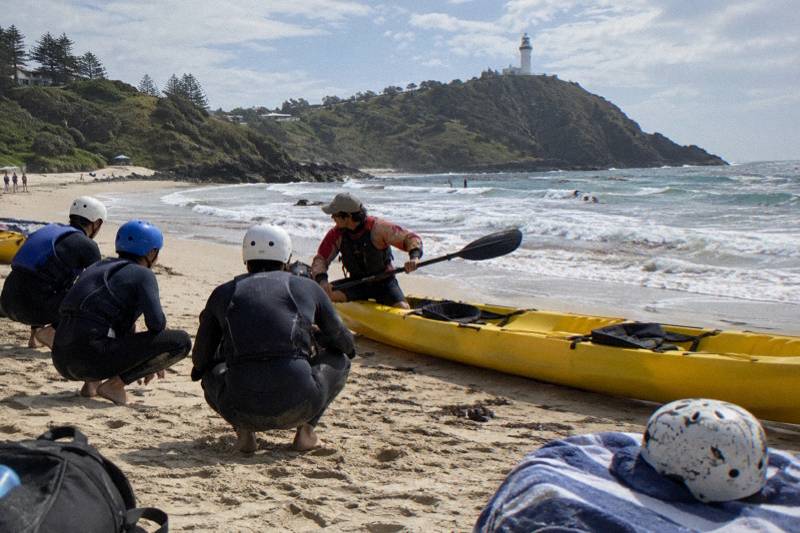
Start with the kayak side, because it is the one this site covers in full. Go Sea Kayak Byron Bay and Cape Byron Kayaks both run guided group ocean tours, both use double sit-on-top kayaks, and both say their guides are surf lifesavers. Neither offers kayak hire: Cape Byron Kayaks describes fully guided group tours, and Go Sea says the coastline is not suitable for rental kayaks. Solo paddlers are paired, with Cape Byron Kayaks pairing solos with another solo guest or a guide, a guide not guaranteed, and Go Sea saying singles are paired or sit with a guide.
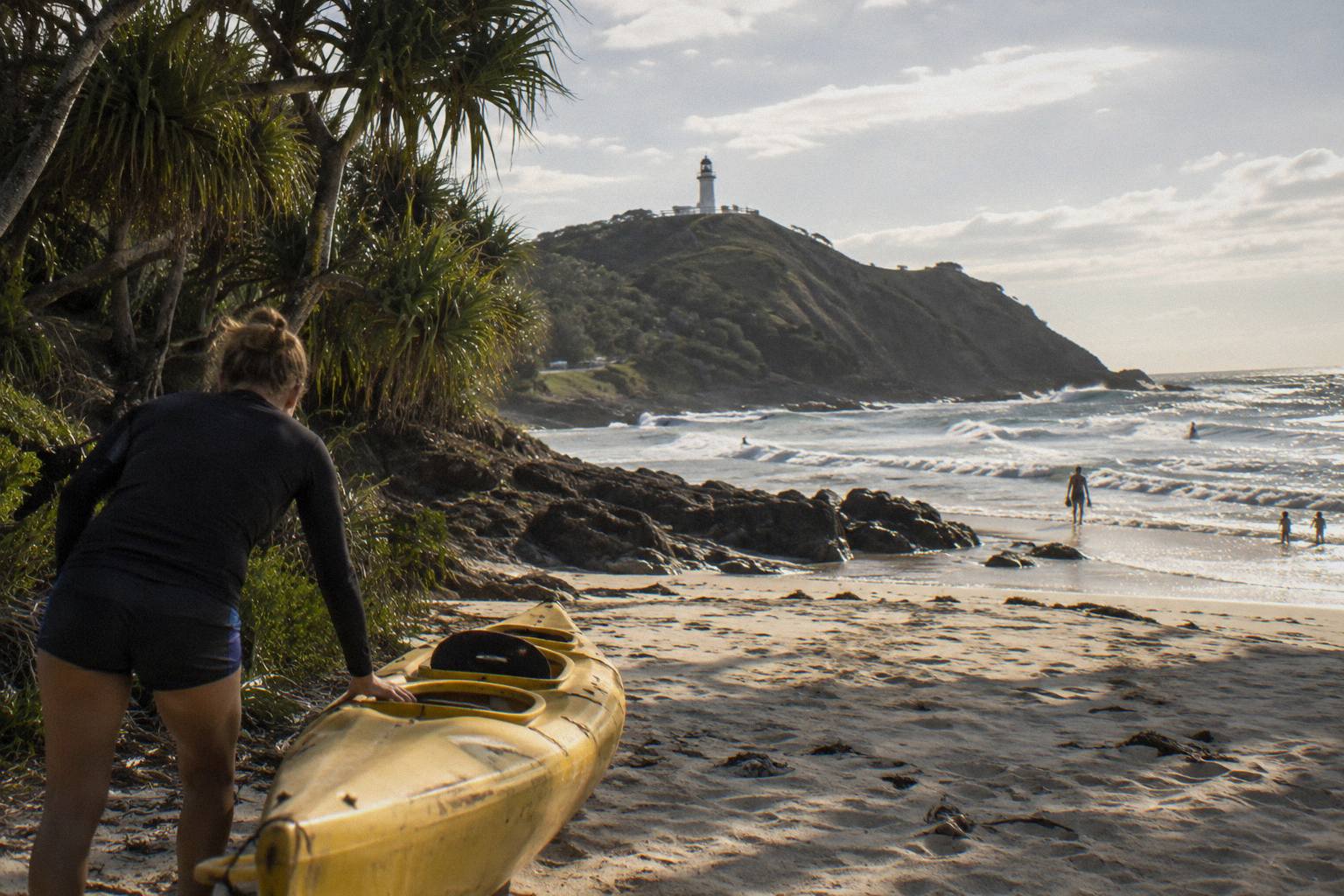
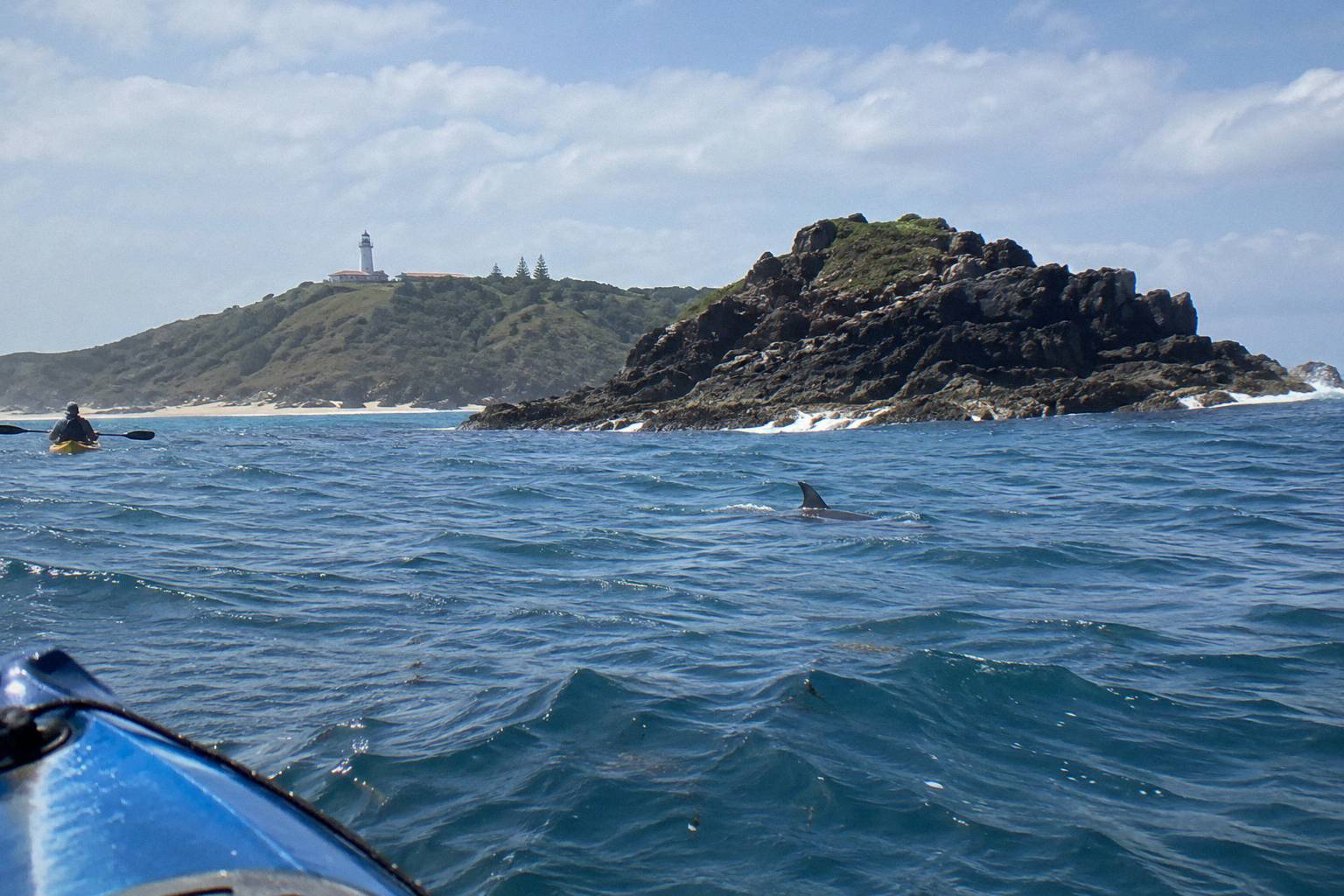
The paddle follows the coast. Cape Byron Kayaks says in its own words that it leaves from Clarkes Beach and follows the coastline out to the Cape, catching up with the dolphins at Wategos Beach. The kayaks on the tours covered here do not visit Julian Rocks; that islet lies offshore and is reached by boat. Any reader hoping to see Julian Rocks up close from a kayak should set that expectation aside before booking.
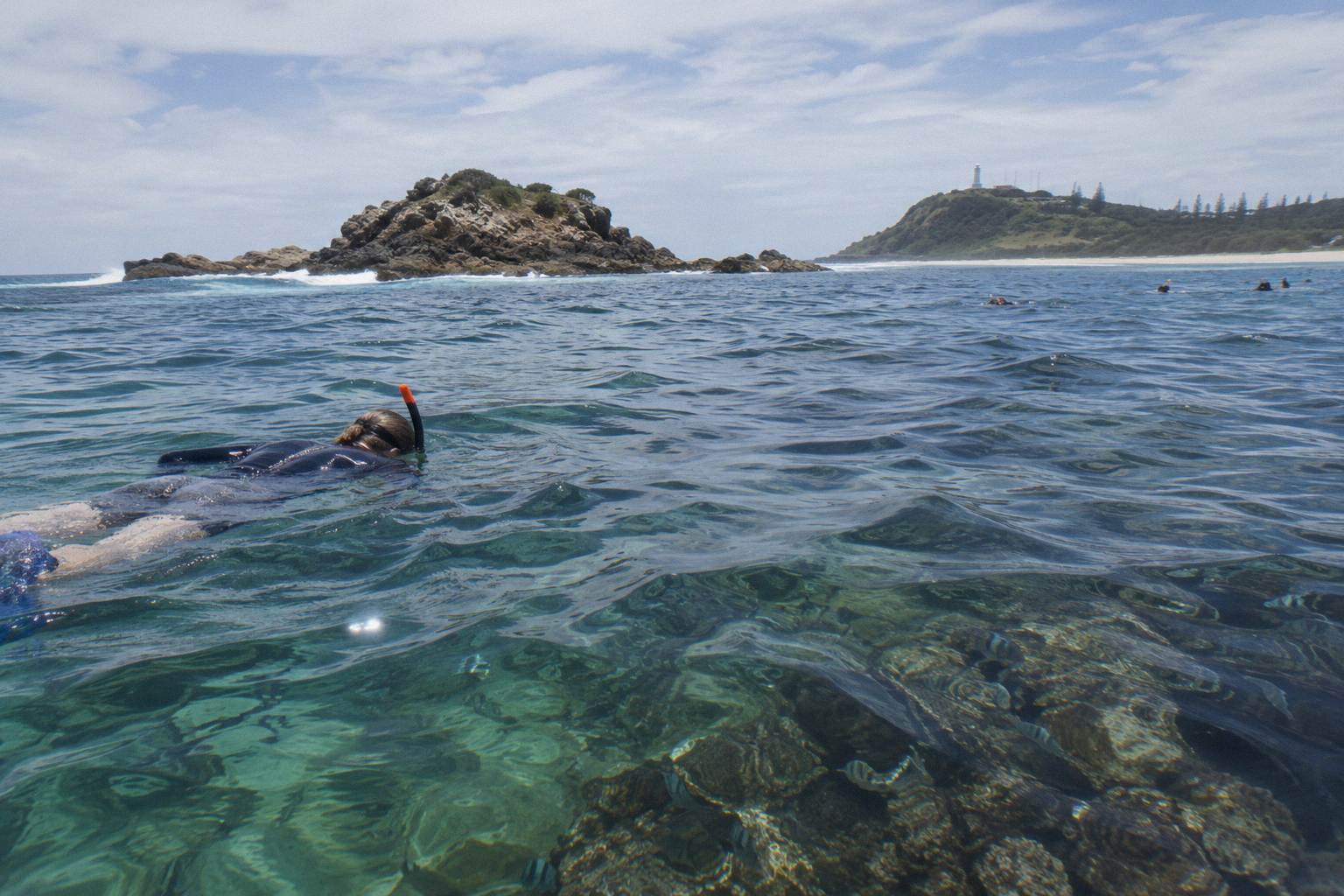
The snorkel side is a different animal. Julian Rocks sits within Cape Byron Marine Park, a park the NSW Department of Primary Industries describes as home to many fascinating animals, including sharks, rays, turtles, eels, starfish and corals. Snorkel trips run there by boat, roughly 2.5 to 3 hours door to water to door, and the minimum age differs by operator, with 5, 7 and 10 appearing on operator pages, so the trip you book needs checking directly. No Julian Rocks operator, price, rating, meeting point, temperature or visibility figure belongs on this site; the sister guide linked above carries that detail.
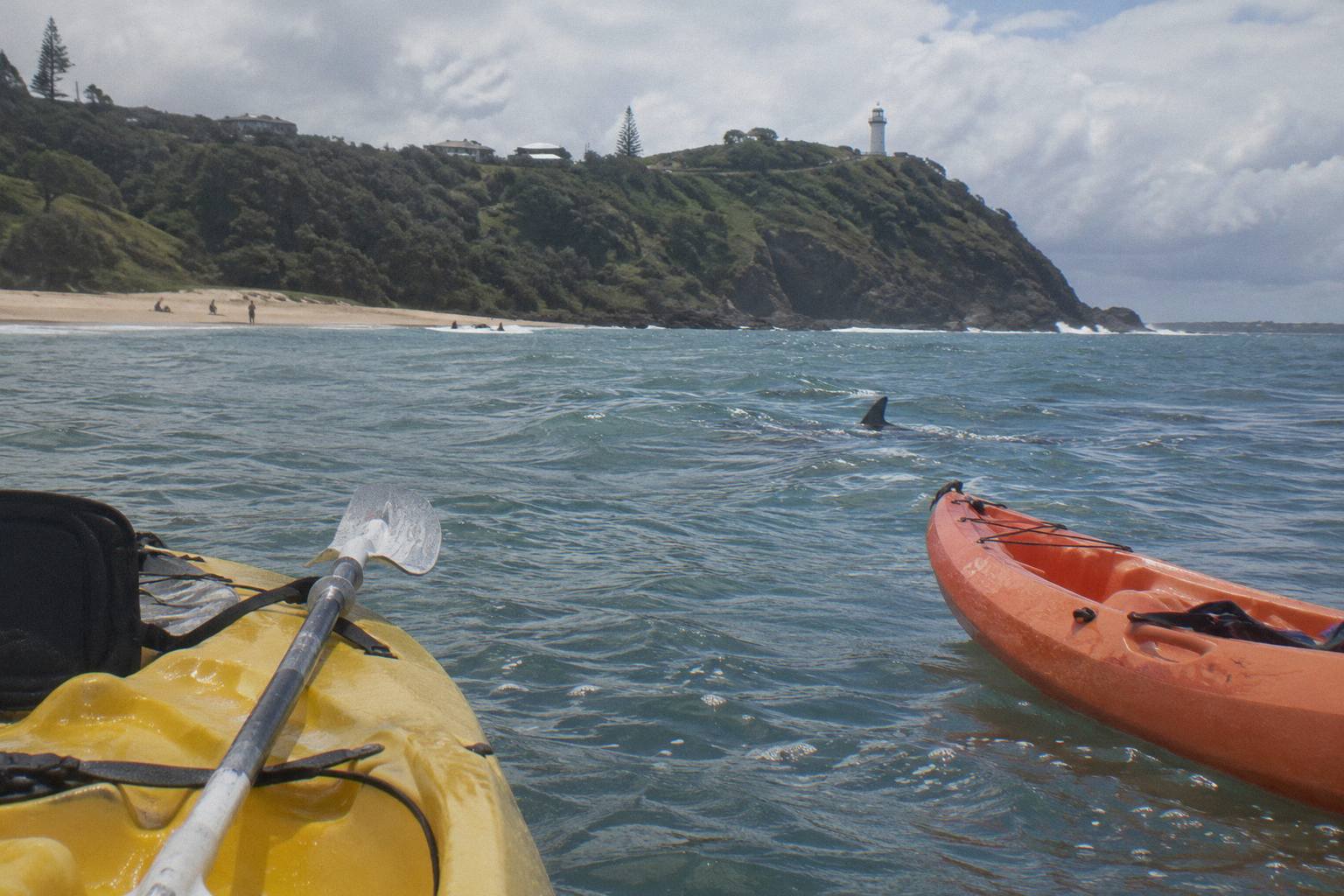
Both experiences sit inside the same regulatory frame. NSW approach rules count a kayak as a vessel, with a 50 m limit to a dolphin and 100 m to a whale, per the NSW Environment and Heritage approach distance page. Swimmers, including snorkellers, may enter the water no closer than 50 m to a dolphin and must keep at least 30 m once in the water. Cape Byron Kayaks puts the kayaking position plainly in its FAQ: strict rules about approaching wild animals in NSW mean dolphins are observed from the kayaks.
Which Activity Asks More Of You: Paddling Or Swimming
Snorkelling demands in-water comfort and the ability to float and kick with fins; kayaking demands upper-body willingness and, on one of the two tours, a proven 25 m swim. Neither is a hard athletic test on paper, but the failure modes differ: a nervous snorkeller cannot opt out mid-water, while a tired paddler still has to get the kayak back through the surf. Read each operator's stated requirements rather than a general rule.
The kayak tours state their own bars. Cape Byron Kayaks requires what it calls a reasonable level of fitness, notes its ocean tour means you must be confident in the open water, and requires paddlers 16 and over to swim 25 m unassisted, per its FAQ page; the booking page phrases this as 18 and over. It does not take non-swimmers, who are escorted back with no refund. Go Sea takes the opposite stance on swimming: it accepts non-swimmers, life jackets are worn by all, and the guide needs to know when you book or arrive. Go Sea also recommends its Brunswick River tour for non-swimmers, a calmer-water option covered in the kayaking Byron Bay guide.
Fitness caveats differ too. NPWS lists the Go Sea tour as difficulty Medium and not recommended for people with chronic back injury or pregnant women, while Go Sea itself does not recommend kayaking after 15 weeks of pregnancy. Cape Byron Kayaks lists back, neck, shoulder, hip and heart conditions and pregnancy as participate-at-your-own-risk, and its booking page adds not recommended with back problems. Anyone with a medical question should check with a doctor and tell the operator when booking, and the sea kayaking Byron Bay for beginners guide walks through what a first paddle actually involves.
The snorkel side asks something the kayak side mostly does not: sustained floating in open water with your face in the sea. That is a psychological test as much as a physical one, and it is the reason the minimum ages run higher on some trips. The water is the medium, there is no hull between you and the reef, and comfort with a mask matters more than arm strength. Travellers who cannot swim at all should treat a snorkel trip with real caution and check the specific operator's rules before paying.
A useful thought experiment: imagine your least water-confident traveller and place them in each scenario. In the kayak they sit high, wear a life jacket on the Go Sea tour, and stay dry unless waves or the wave-surf back intervene. In the water at Julian Rocks they hold a float line or swim, breathe through a snorkel, and cannot leave until the boat calls everyone back. The kayak forgivingly absorbs hesitation; the snorkel rewards it with a long forty minutes. The can non-swimmers do a Byron Bay kayak tour post unpacks the swim rules tour by tour.
Between the two ocean kayak operators, the practical contrast for a hesitant group is sharp. Go Sea Kayak, Dolphins And Turtles takes non-swimmers and children from age 5 with an adult, rated 4.6 on its booking page, from AUD 59 per person, and a second booking page for the same tour shows 4.7 across 271 reviews. Guided Dolphin Kayak, Cape Byron Kayaks, rated 4.4 across 402 reviews, takes children from 5 at one adult per child and holds the 25 m swim rule for older teens and adults. For a mixed group, that single policy difference can decide the booking, and the Byron Bay kayak tour with kids guide works through the family arithmetic in detail.
Ages, Swim Rules And Family Fit Side By Side
For families, the dolphin kayak tours have the clearer stated numbers: minimum age 5 on both, with Cape Byron Kayaks requiring one adult per child under 16. Go Sea's Brunswick River tours drop the minimum to age 3. Julian Rocks snorkel minimum ages differ by operator, with 5, 7 and 10 on operator pages, so the family call depends entirely on which trip you book. No tour here states an upper age limit.
The table below gathers every age and swimming figure the operators state. Each belongs to the tour named beside it, and none transfers to another product.
| Tour | Minimum Age | Accompaniment Rule | Swim Requirement | Non-Swimmers |
|---|---|---|---|---|
| Go Sea Kayak, Dolphins And Turtles | 5 | All children with an adult | None stated | Accepted, tell the guide |
| Guided Dolphin Kayak, Cape Byron Kayaks | 5 | Under 16 at 1 adult to 1 child | 25 m unassisted at 16 and over per the FAQ, 18 and over per the booking page | Not accepted |
| River Kayak, Brunswick River | 3 | Not stated | None stated | Life jackets included |
| River Kayak, Sunset | 3 | Not stated | None stated | Not stated |
| Stand Up Paddle, Nature Tour | Not stated | Not stated | Must be able to swim, comfortable around water | Not applicable |
| Julian Rocks snorkel trips | Differs by operator | Check the trip | Check the trip | Check the trip |
Read the family decision off that table. A household with a confident swimming 12-year-old fits either ocean kayak tour. A household with a seven-year-old who cannot swim 25 m fits the Go Sea tour and, on the numbers, most Julian Rocks trips; it does not fit Cape Byron Kayaks, whose escort-back-no-refund policy for non-swimmers is stated plainly in its FAQ. Toddlers fit neither ocean option and do fit the Brunswick River scenic tours from age 3, a point the what happens on a Byron Bay kayak tour guide covers from the child's-eye view.
Older travellers and anyone with a bad back should note the pattern across both activities: every operator hedges with medical cautions rather than bans. The Go Sea cautions, NPWS's among them, cover chronic back injury and pregnancy; Cape Byron Kayaks lists its conditions as own-risk; the whale watching boat tour, a no-swim option that departs Ballina, is not recommended for back problems or pregnancy. The general rule for every product on this page is the same two sentences: check with your doctor, and tell the operator when you book. The is a Byron Bay kayak tour suitable for older travellers post takes that question further.
Durations, Meeting Points And How The Days Actually Run
Both dolphin kayak tours run about 2.5 hours and check in at the Lawson Street sheds, with Go Sea at Shed 1 opposite number 58 and Cape Byron Kayaks at Shed 2 opposite 60/62. Julian Rocks boat trips run about 2.5 to 3 hours from the harbour, while the river, stand up paddle and whale boat options each take about 2 to 2.5 hours and start from their own separate meeting points.
Durations come with attribution because the sources differ. The booking pages say about 2.5 hours for both ocean tours. Go Sea's own home page says approximately 2 hours, and NPWS lists the tour at 2 hours with difficulty Medium. Cape Byron Kayaks says to allow 2.5 hours from check-in. Go Sea departs daily at 9:30am and 1:00pm all year, weather permitting, with one page reading 1:30pm for the afternoon slot; sunrise tours run only in near-perfect conditions and with Cape Byron Marine Park approval. Cape Byron Kayaks shifts its times by season, earlier in summer to beat heat or north winds, later in winter to miss south-west winds.
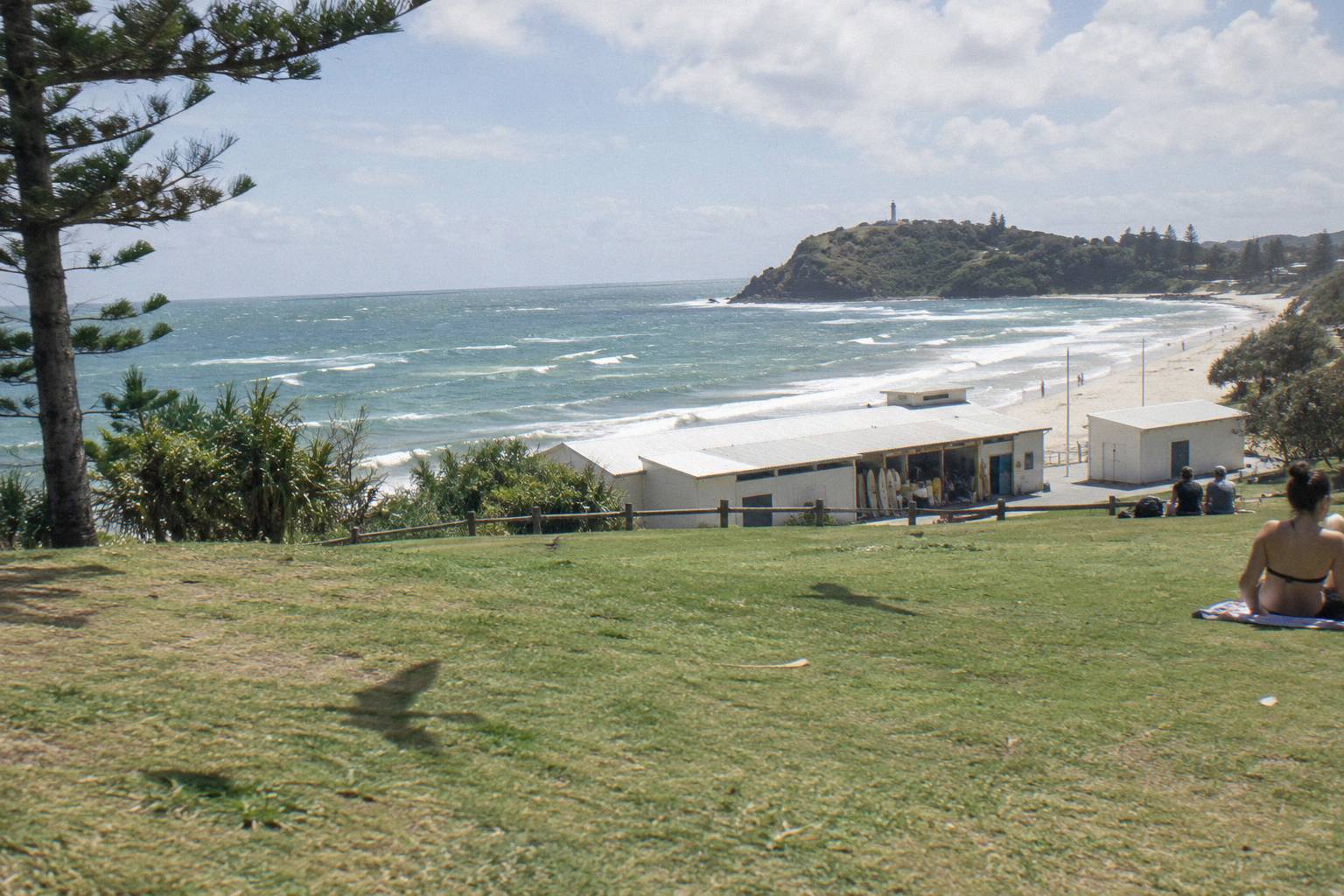
Meeting points are a classic morning-chaos trap, so state them precisely. Go Sea checks in opposite 58 Lawson St, Byron Bay, at Shed 1, and asks paddlers to arrive at least 20 minutes before departure. Cape Byron Kayaks checks in at Shed 2, opposite 60/62 Lawson St, 15 minutes before the tour, though the tour itself, in the operator's words, leaves from Clarkes Beach. Neither operator page names Main Beach as a launch point, a distinction the Clarkes Beach or Main Beach meeting point guide untangles for anyone walking town with a map. The Brunswick River tours meet at the Brunswick Heads Scout Hall on South Beach Road, the sunset tour on the riverside at 40 South Beach Rd, and the whale watching boat departs Lance Ferris Wharf in Ballina, about 30 minutes south of Byron Bay, with arrival 30 minutes early.
| Tour | Duration | Meeting Point | Arrive |
|---|---|---|---|
| Go Sea Kayak, Dolphins And Turtles | About 2.5 hours | Shed 1, opposite 58 Lawson St, Byron Bay | 20 minutes before |
| Guided Dolphin Kayak, Cape Byron Kayaks | About 2.5 hours from check-in | Shed 2, opposite 60/62 Lawson St, Byron Bay | 15 minutes before |
| River Kayak, Brunswick River | About 2 hours | Brunswick Heads Scout Hall, South Beach Rd | 10 minutes before |
| River Kayak, Sunset | About 2 hours | 40 South Beach Rd, Brunswick Heads, riverside | Not stated |
| Stand Up Paddle, Nature Tour | About 2 hours | Brunswick Heads, address given after booking | Not stated |
| Whale Watching, June To November | About 2.5 hours | Lance Ferris Wharf, Fawcett St, Ballina | 30 minutes before |
Against that, a Julian Rocks snorkel day is built around a boat. The trip runs about 2.5 to 3 hours in total, the minimum age differs by operator, and everything else about boats, gear and sites sits with the snorkel specialists, so take those questions to a Julian Rocks snorkel trip guide rather than to a kayak booking desk. What you can plan here is the shape of the morning: the kayak tours start with a lesson on the beach, Go Sea includes a kayaking lesson before the paddle and Cape Byron Kayaks includes wave-surfing instruction, and both tours run in the rain, cancelling only for unsafe wind or large swell. The Byron Bay swell and kayak tour cancellations guide explains what that means for a travel week.
The Go Sea ocean tour is the one trip here with a stated price, from AUD 59 per person, changing by date, and it is the featured tour for a reason: it takes the widest range of paddlers. The tour page for Go Sea Kayak, Dolphins And Turtles carries the current figures and departure calendar, and check availability shows live dates before you commit the family.
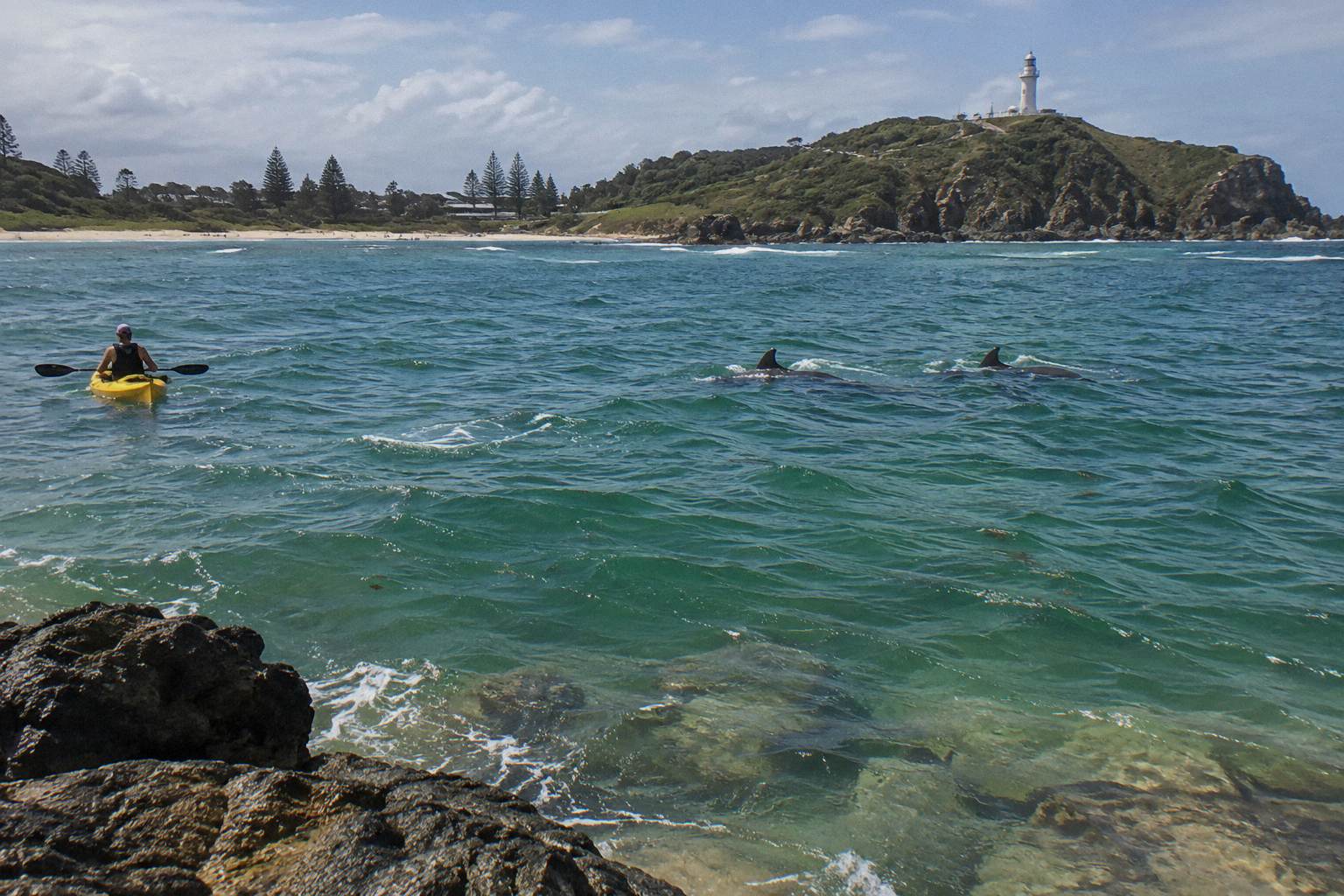
Cape Byron Kayaks suits a different booking: confident swimmers, adults and older children, and anyone who likes the sound of a firm structure, an operator running since 1995, Tim Tams on the beach, and photos posted online afterwards. Its rating, 4.4 across 402 reviews, comes with no stated price, so ask the operator directly when you enquire. Its guarantee, a free return tour if dolphins or in-season whales do not appear, is a return paddle rather than money back, and the return needs the same 24 hour cancellation notice as any rebooking.
Wildlife: Watching From A Kayak Versus Swimming Over A Reef
From the kayak you observe dolphins, and in season whales, at NSW-mandated distances, 50 m for dolphins and 100 m for whales, with a good chance of turtles in warmer months; at Julian Rocks you swim over sharks, rays, turtles, eels, starfish and corals in their habitat, per the DPIRD description of the park. Neither trip promises a sighting, and no trip on either side lets you swim with dolphins.
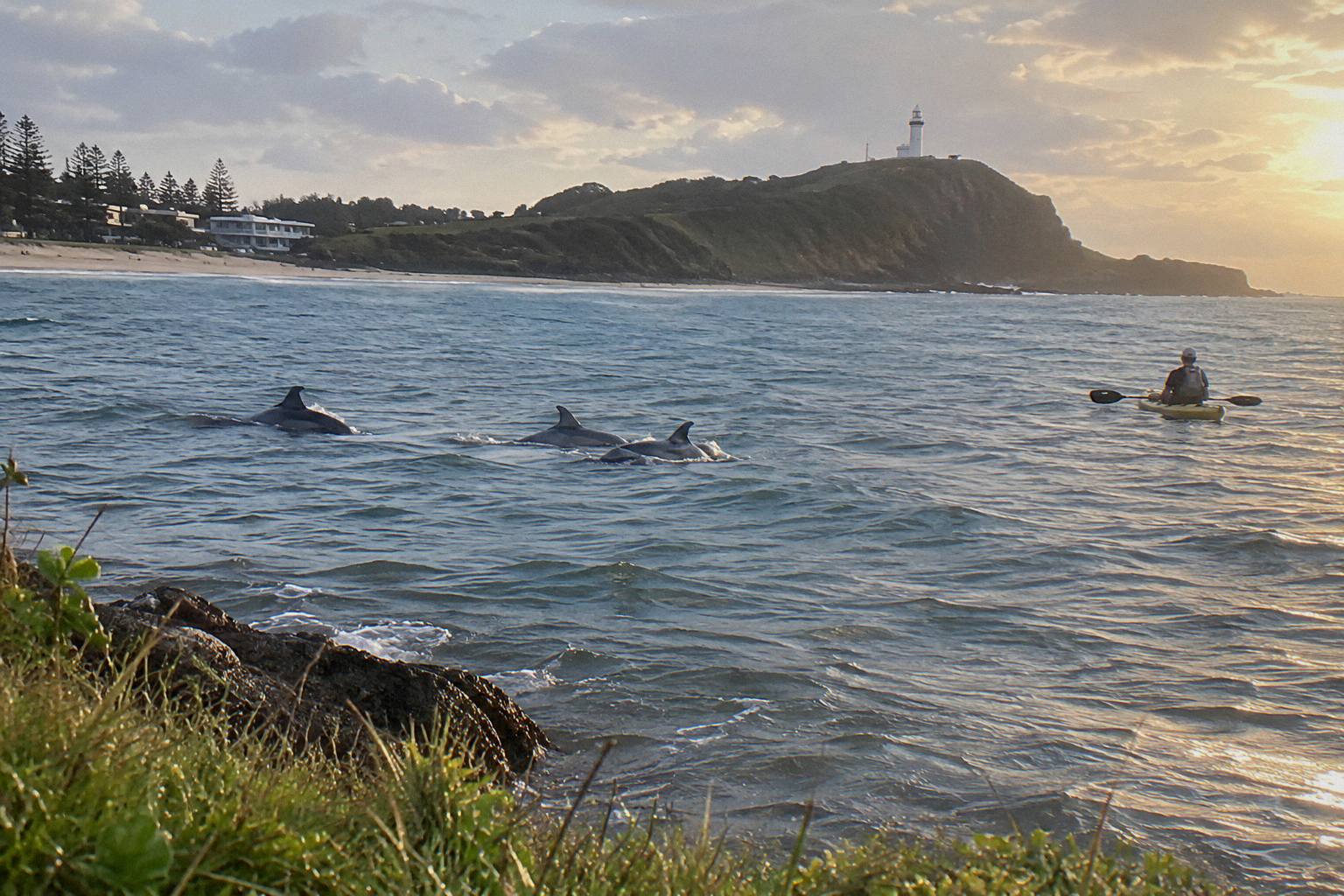
The dolphin claims belong to the operators, in their words. Cape Byron Kayaks says it sees dolphins on about 90% of its tours, from a pod of around 300 resident dolphins, and answers No to the question of whether it always sees dolphins. Go Sea says on most tours it spots dolphins, and from June to November often whales. Neither figure is a promise, and both guarantees, free return tours from both operators if the wildlife does not show, are rebookings rather than refunds. The best time to see dolphins in Byron Bay guide puts those claims in seasonal context without inflating them.
Whales add a second layer. The humpback season is operator-stated and differs: Cape Byron Kayaks says May to November on one page and June to November with humpbacks and southern rights on another; Go Sea says early June through late October on its whale page and June to November in its FAQ. The whale watching boat tour lists June to November and departs Ballina. Whales are never promised on a kayak tour, and the approach rules bind every vessel, kayaks included: no closer than 100 m to a whale, a 300 m caution zone, and no entering the caution zone at all when a calf is present. The Byron Bay whale watching season guide tracks those months properly.
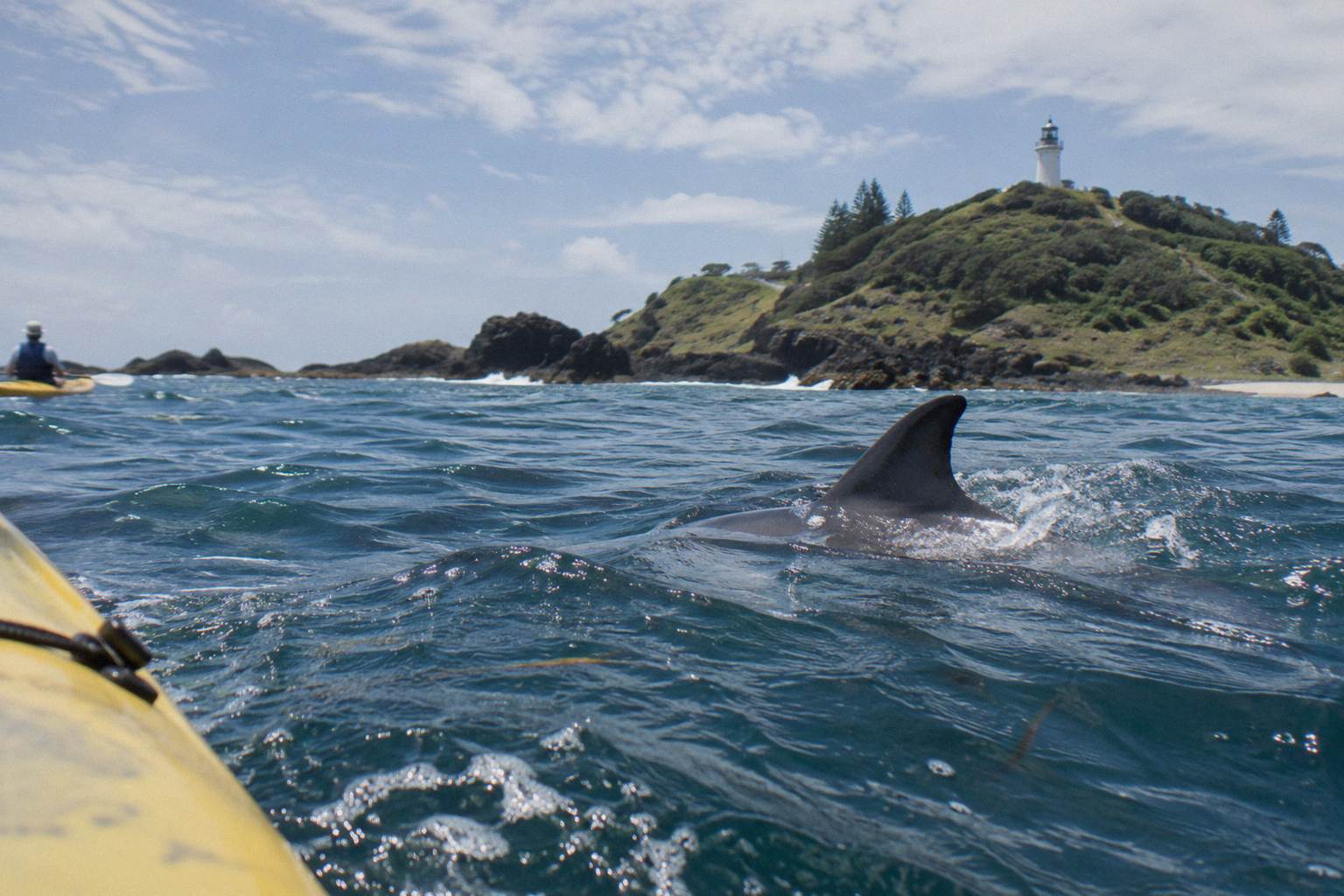
The snorkel side offers something the kayak cannot: the reef itself. DPIRD describes Julian Rocks, inside the marine park, as home to sharks, rays, turtles, eels, starfish and corals. That is a static, in-habitat wildlife encounter, close and slow, versus the kayak's moving surface encounter with air-breathing animals. Turtles bridge both worlds, named by NPWS among the local wildlife on the Go Sea tour page and present at the Rocks year round; the turtles on a Byron Bay kayak tour guide covers the kayak side of that.
One marine park fact shapes both activities and surprises most visitors: the zoning. Cape Byron Marine Park's sanctuary zones cover 6,118 ha, 27.5% of the park, and are no-take, per the DPIRD marine park page; activities that do not harm animals, plants or habitat are permitted within them. Both tour operators hold the licences that let them run commercial trips in the park, with Cape Byron Kayaks listing Cape Byron Conservation Area Trust, Byron Shire Council and NSW Maritime licences, and NPWS describing it as a licensed commercial tour operator. A reader choosing between the two trips is choosing between two ways of visiting the same protected water.
Which Traveller Should Pick Which Trip
Pick the dolphin kayak for the surface panorama and the Cape Byron coastline from sea level, with a minimum age of 5 and, on the Go Sea tour, no swim requirement at all. Pick the Julian Rocks snorkel if being in the water is the point, everyone swims confidently, and the reef's residents matter more than dolphins, while families with very young children, non-swimmers or hesitant paddlers should choose the Brunswick River tours from age 3.
Work through the traveller types. A couple of confident swimmers can take either side and should let the wildlife preference decide: dolphins breaching alongside a kayak versus rays and corals beneath fins. A family with children aged 5 to 12 fits the ocean kayaks, the Go Sea tour most flexibly, and fits Julian Rocks only where the operator's minimum age allows; a family with a three or four-year-old fits the river tours and nothing else on the water. A solo traveller is fine on the kayaks, paired as described, and equally fine on a boat.
Non-swimmers have one clear ocean option, the Go Sea tour, plus the river alternatives Go Sea itself recommends for them; the snorkel side, and Cape Byron Kayaks, are closed to them. Older travellers and anyone with back, neck or shoulder concerns sit in the own-risk zone on both kayaks and should raise it when booking; the whale boat from Ballina is the no-paddle, no-swim alternative, about 2.5 hours with a marine biologist guide, not recommended for under-5s, back problems or pregnancy. The whale watching by kayak or boat in Byron Bay comparison covers that boat in depth.
| If You Are... | Best Fit From The Tours Here | Why |
|---|---|---|
| A non-swimmer who wants the ocean | Go Sea Kayak, Dolphins And Turtles | Non-swimmers accepted, life jackets on all |
| A confident swimming adult | Either ocean kayak, or Julian Rocks | Choice becomes wildlife preference |
| A family with children 5 to 12 | Go Sea ocean tour, or Cape Byron Kayaks at 1 adult per child | Both from age 5 |
| A family with a child under 5 | River Kayak, Brunswick River or Sunset | Minimum age 3, flat water |
| A snorkelling keener | Julian Rocks boat trip | The reef, in the water |
| Someone avoiding paddling and swimming | Whale Watching, June To November | Boat from Ballina, no swim requirement |
Budget belongs in the decision, stated carefully. The only price available on this site is the Go Sea ocean tour at from AUD 59 per person, changing by date; Cape Byron Kayaks states no price, so enquire directly, and the river, stand up paddle and whale boat tours carry no price here either. Julian Rocks trip prices sit with the snorkel specialists. Nobody should compare these trips on a per-dollar basis without the actual figures from each operator, and value questions are better answered by the is a Byron Bay kayak tour worth it post.
The sunset river tour earns its place in that table for a specific reason: the Brunswick River at dusk asks nothing of the surf, runs about 2 hours from age 3, and Go Sea says the sunset tour uses a mix of single and double kayaks chosen on the day, which suits teenagers who want their own boat. It trades the ocean's dolphins for flat water and, on the wildlife front, the birds and fish of an estuary. For a group split between an ocean morning and a gentler evening, booking both is a real pattern rather than a compromise.
Common Mistakes When Choosing Between The Kayak And The Snorkel
The recurring mistakes are assuming both activities share one swim rule, expecting a kayak tour to visit Julian Rocks, and reading one operator's guarantee or age limit as an industry standard. Swim rules differ between the two kayak operators themselves, the ocean kayaks paddle the Cape coastline rather than the Rocks, and every age, season and cancellation figure belongs to the tour that states it. Book against the specific operator's page, not against a summary.
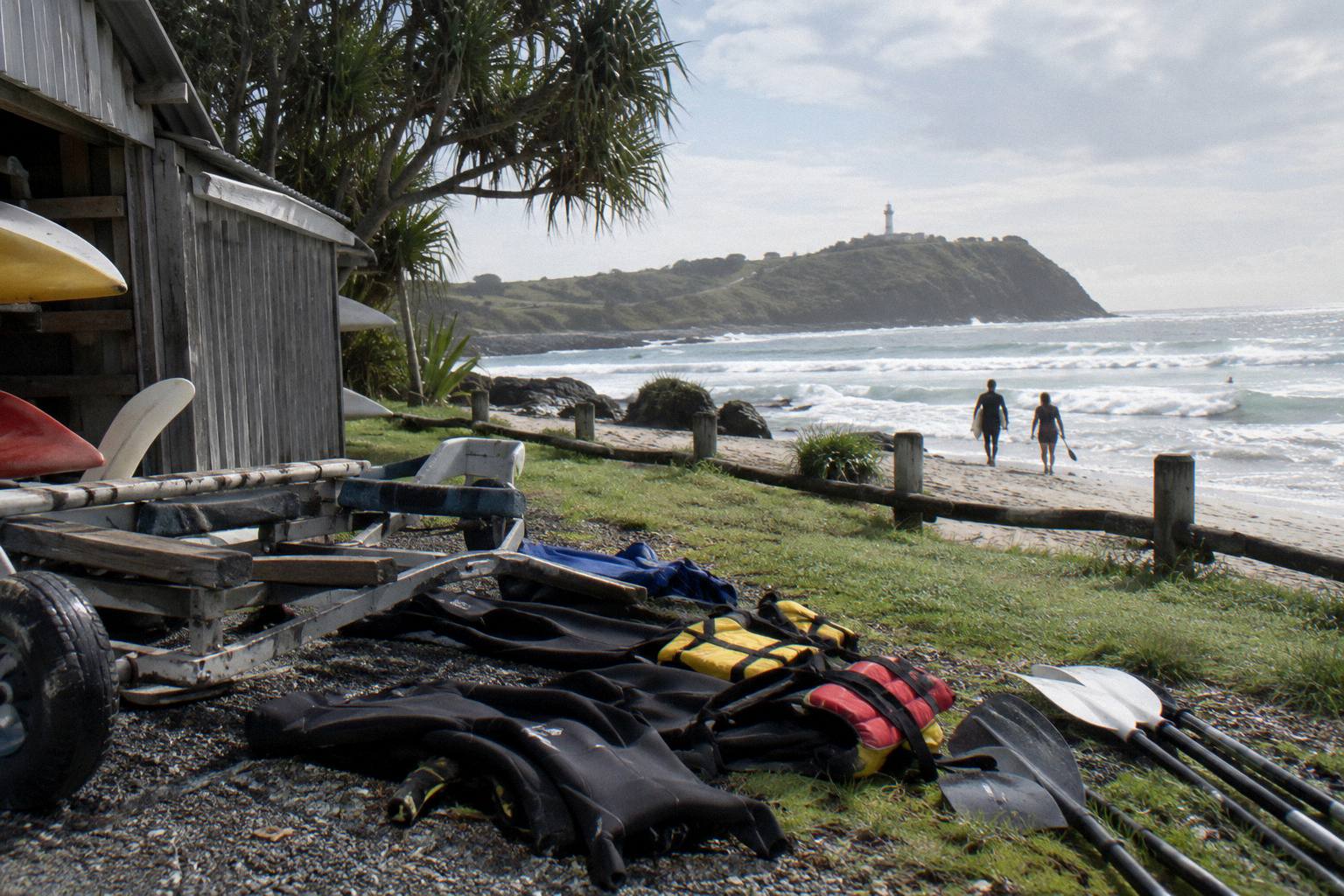
The first mistake costs money: booking Cape Byron Kayaks for a non-swimmer who is then escorted back with no refund, a policy stated in its FAQ. The second wastes a morning: turning up to a kayak check-in expecting a boat ride to Julian Rocks. The third, merging whale seasons, sets expectations no operator will honour, since Cape Byron Kayaks and Go Sea state different months for the same humpback run. A fourth is packing wrongly: Go Sea's bring list runs to bathers, towel, sunscreen, a small reusable water bottle, hat and a change of clothes, with only waterproof cameras suitable because, in its words, you will get wet, and the what to wear and bring on a Byron Bay kayak tour guide covers the snorkel-adjacent gear list too.
A fifth mistake is treating weather cancellations as operator fault. Both ocean kayak tours run in the rain and cancel for unsafe wind or large swell; Go Sea gives direct bookings a full refund when it cancels for unsafe conditions, and its terms note that sea sickness is not refundable. Cancellation windows sit at 24 hours on both sides, with Go Sea giving a 100% refund more than 24 hours ahead and nothing inside that window. The mistakes that remain, showing up late to the wrong shed or the wrong town, Ballina versus Brunswick Heads versus Lawson Street, are pure planning failures, and the table above exists to prevent them.
The final practical step for most readers is a shortlist of one kayak tour and one question for the snorkel desk. If the shortlist names Go Sea, the tour is bookable through the Go Sea Kayak tour page with Check availability beside it. If it names Cape Byron Kayaks, the enquiry goes to the operator for price and dates. And if the day you actually want is fish, corals and a mask, take the whole question to the Julian Rocks specialists, where it belongs.
Whatever the choice, the booking principles are identical: confirm the swim rule and minimum age for the exact product, note the meeting point and arrival buffer, and keep the 24 hour cancellation window in mind on travel days. Dolphin sightings stay a probability, whale months an operator's stated range, and the sea state the final judge of both. The team behind Byron Bay Dolphin Kayak keeps the tour-side facts current so the comparison stays usable, and the pages linked through this comparison carry the deeper detail on each sub-question.
Common Questions About Kayaking Versus Snorkelling In Byron Bay
Does A Dolphin Kayak Tour Visit Julian Rocks?
No. The tours covered here paddle the coastline off Cape Byron; Cape Byron Kayaks says its tour leaves Clarkes Beach and follows the coast toward the Cape and Wategos Beach. Julian Rocks is reached by boat on snorkel and dive trips, which are separate products.
Can You Swim With Dolphins From A Byron Bay Kayak Tour?
No tour offers that. NSW rules require swimmers to stay at least 30 m from dolphins in the water, and Cape Byron Kayaks states that strict NSW rules mean dolphins are observed from the kayaks.
Which Is Easier For A Non-Swimmer, Kayaking Or Snorkelling?
Guided snorkelling and the Cape Byron Kayaks tour both exclude non-swimmers. The Go Sea Kayak ocean tour accepts non-swimmers, with life jackets on all and the guide told at booking, and Go Sea recommends its Brunswick River tours for non-swimmers.
Do Both Options Take Children?
Both ocean kayak tours take children from age 5, with Cape Byron Kayaks requiring one adult per child under 16. Julian Rocks snorkel minimum ages differ by operator, with 5, 7 and 10 appearing on operator pages, so check the specific trip. The Go Sea Brunswick River tours start at age 3.
How Long Are The Trips Compared?
Both dolphin kayak tours run about 2.5 hours. Julian Rocks boat trips run about 2.5 to 3 hours. The Brunswick River and stand up paddle tours run about 2 hours, and the whale watching boat about 2.5 hours from Ballina.
What Happens If You See No Dolphins?
Both ocean kayak operators offer a free return tour, not a refund, if the wildlife does not appear: Go Sea if you see no dolphin, turtle or whale, Cape Byron Kayaks if dolphins or in-season whales stay away, with the return non-expiring but non-transferable and rebooked by phone.